
US and Iran hold first talks since June after Trump’s ‘annihilation’ threat
In an environment of escalating tensions, top-level officials from the United States and Iran have held quiet, high-stakes negotiations at the United Nations in New York. The summit follows a volatile week marked by Donald Trump’s blunt annihilation threat against the Islamic Republic, a statement that underscores the fragility of the current diplomatic landscape. While official sources describe the meeting as a potential path toward de-escalation, the rhetoric surrounding the event suggests a strategy deeply rooted in coercive diplomacy.
Understanding the Annihilation Threat and Strategic Diplomacy
The recent exchange of fiery language highlights the precarious nature of the ongoing conflict, which intensified significantly after air strikes were launched on Iranian soil last February. The subsequent retaliatory attacks on Gulf infrastructure and the disruption of vital trade routes—specifically the Strait of Hormuz—have sent shockwaves through global markets, directly impacting oil prices. For context on broader geopolitical friction, one can observe how previous diplomatic efforts have struggled to contain the conflict despite constant mediation.
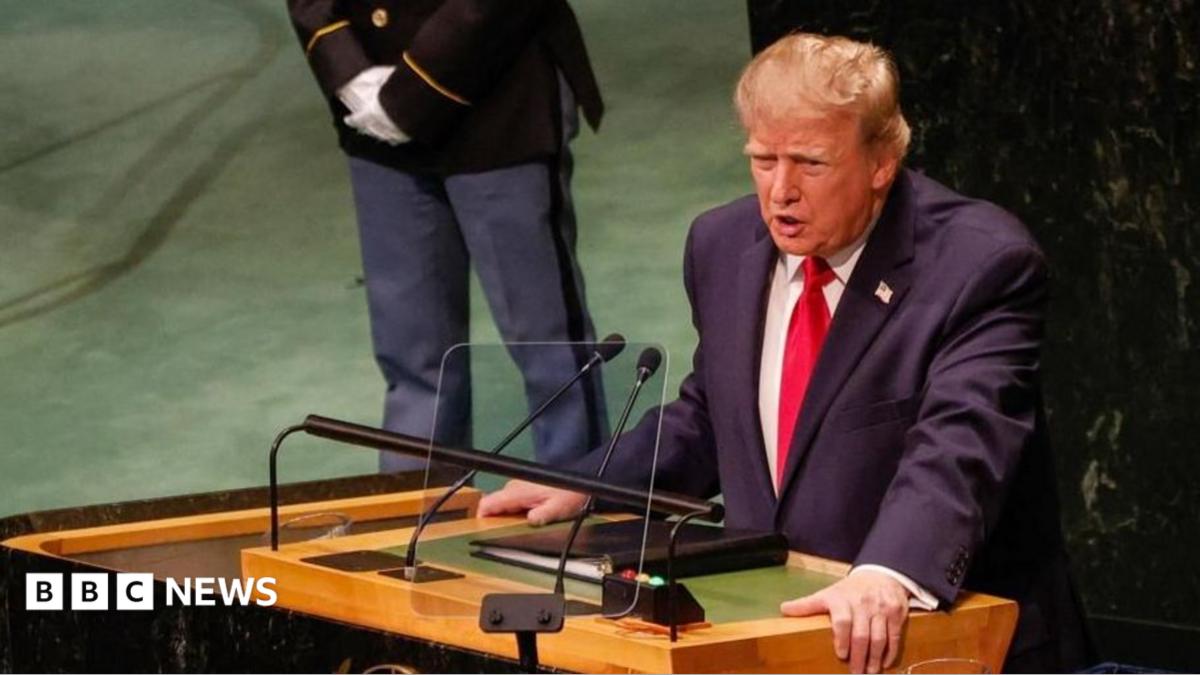
Donald Trump’s address to the UN General Assembly served as a theatrical backdrop to these events. Balancing domestic political optics—targeting voters ahead of upcoming midterms—with the sobering realities of international warfare, the President maintained his “peace through strength” posture. His ultimatum was stark: a return to a favorable deal or the prospect of total military intervention. This binary choice, between a reconstructed partnership and total destruction, defines the administration’s current approach to foreign policy.
The Role of Mediation in a High-Stakes Environment
Qatar has played an instrumental role as a neutral intermediary, shuttling messages between Tehran and Washington. The Iranian delegation, led by Foreign Minister Abbas Araghchi, reiterated that any long-term stability hinges on the cessation of “acts of aggression” and the easing of economic blockades that have severely crippled the Iranian economy. Meanwhile, international observers continue to monitor these developments, noting that the economic strain on Iran has not yet forced a total shift in its strategic objectives or its support for regional proxies.
The meeting involving Trump’s envoy, Steve Witkoff, concluded with a cautious sense of optimism, though concrete results remain elusive. The silence regarding a breakthrough, coupled with the persistent cycle of military posturing, leaves many experts skeptical. As the U.S. approaches its electoral cycle, the pressure to secure a win—either through a diplomatic triumph or a show of force—will only intensify. With the Houthi movement escalating strikes against Saudi interests, the theater of conflict continues to expand, making the annihilation threat not just a rhetorical device, but a reflection of the profound instability in the region.
Ultimately, the world is watching to see if the “constructive and promising” dialogue reported by negotiators can overcome the hardened stances of two nations locked in a cycle of suspicion. Until a substantive framework is established, the risk of accidental or deliberate escalation remains the dominant reality for both the diplomatic community and the global economy.