
‘Not To Satisfy Opposition, But For Public Trust’: 3 BJP Allies Demand ECI Statement On SIR Row
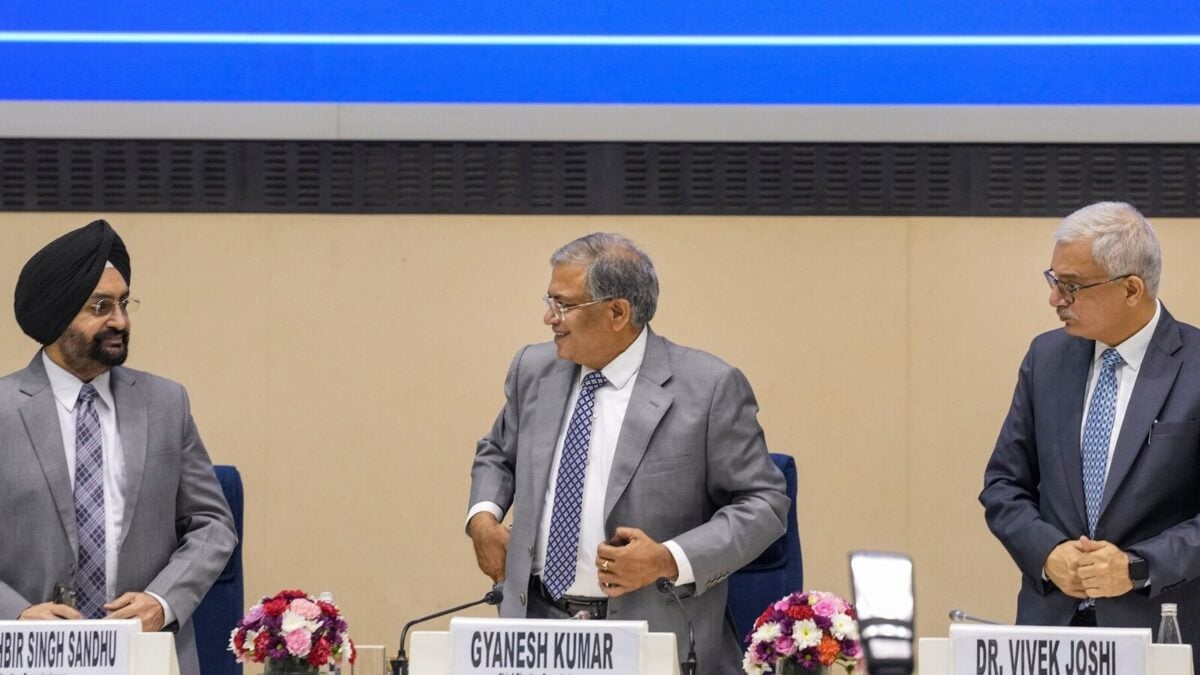
In an unexpected shift in political discourse, key partners within the ruling National Democratic Alliance (NDA) have publicly demanded that the Election Commission of India (ECI) provide an authoritative, transparent account regarding internal dissent surrounding the Special Intensive Revision (SIR) of voter lists. This move, led by prominent figures such as Union Minister Chirag Paswan of the Lok Janshakti Party (Ram Vilas), along with representatives from the Telugu Desam Party (TDP) and the Rashtriya Lok Morcha (RLM), signals that even government coalition members are growing anxious over potential lapses in institutional integrity.
The current controversy stems from widespread reports that two Election Commissioners have, over the last ten months, placed formal objections on record concerning major procedural shifts during the roll revision process. These documented grievances range from technical modifications to statutory registration forms and the centralisation of electoral databases, to the broader management of routine additions and deletions during field operations. For those interested in the broader context of how digital vulnerabilities affect democratic processes, you may want to review recent concerns regarding digital security in public infrastructure.
The Call for Transparency in the SIR Process
While the Election Commission maintains that internal debate is a natural, healthy component of their decision-making process before final unanimous adoption, coalition leaders argue that the lack of public clarity is actively eroding trust. Chirag Paswan was quick to clarify that his demand for a statement from the Chief Election Commissioner is not an attempt to align with opposition narratives. Instead, he framed the intervention as a proactive necessity to preserve public confidence in democratic institutions.
Paswan noted that if the voting framework is perceived as lacking objectivity, the poll body has an absolute duty to address the nation and dispel doubts forcefully. This sentiment was echoed by other NDA partners, including Upendra Kushwaha, who emphasized that voters require reassurance to eliminate confusion regarding the ongoing clean-up of voter rolls across various states. For a deeper look at similar themes of institutional accountability and public perception, you can read more about how critical infrastructure faces constant threats that demand transparency.
The stakes are remarkably high. A petition currently pending before the Supreme Court is seeking both a formal judicial inquiry and the possibility of criminal prosecution into specific decisions that were reportedly taken without full panel concurrence. The judiciary is being asked to weigh in on whether these procedural changes were legally sound or if they bypassed necessary checks and balances designed to protect the sanctity of the electoral roll.
As this legal scrutiny intensifies, the willingness of the NDA to join the chorus for accountability highlights a critical juncture for the ECI. The pressure is mounting for the poll panel to provide a definitive, transparent accounting of its internal procedures. Ultimately, whether this satisfies political rivals is secondary to the primary goal: restoring the faith of the electorate in the mechanisms that govern their right to vote. The coming weeks will likely see whether the Commission chooses to open its doors to scrutiny or opts to remain shielded by bureaucratic silence, a choice that will undoubtedly shape the narrative surrounding election integrity for the foreseeable future.