
‘Nowhere else to go’: Gaza families shelter in buildings that may collapse
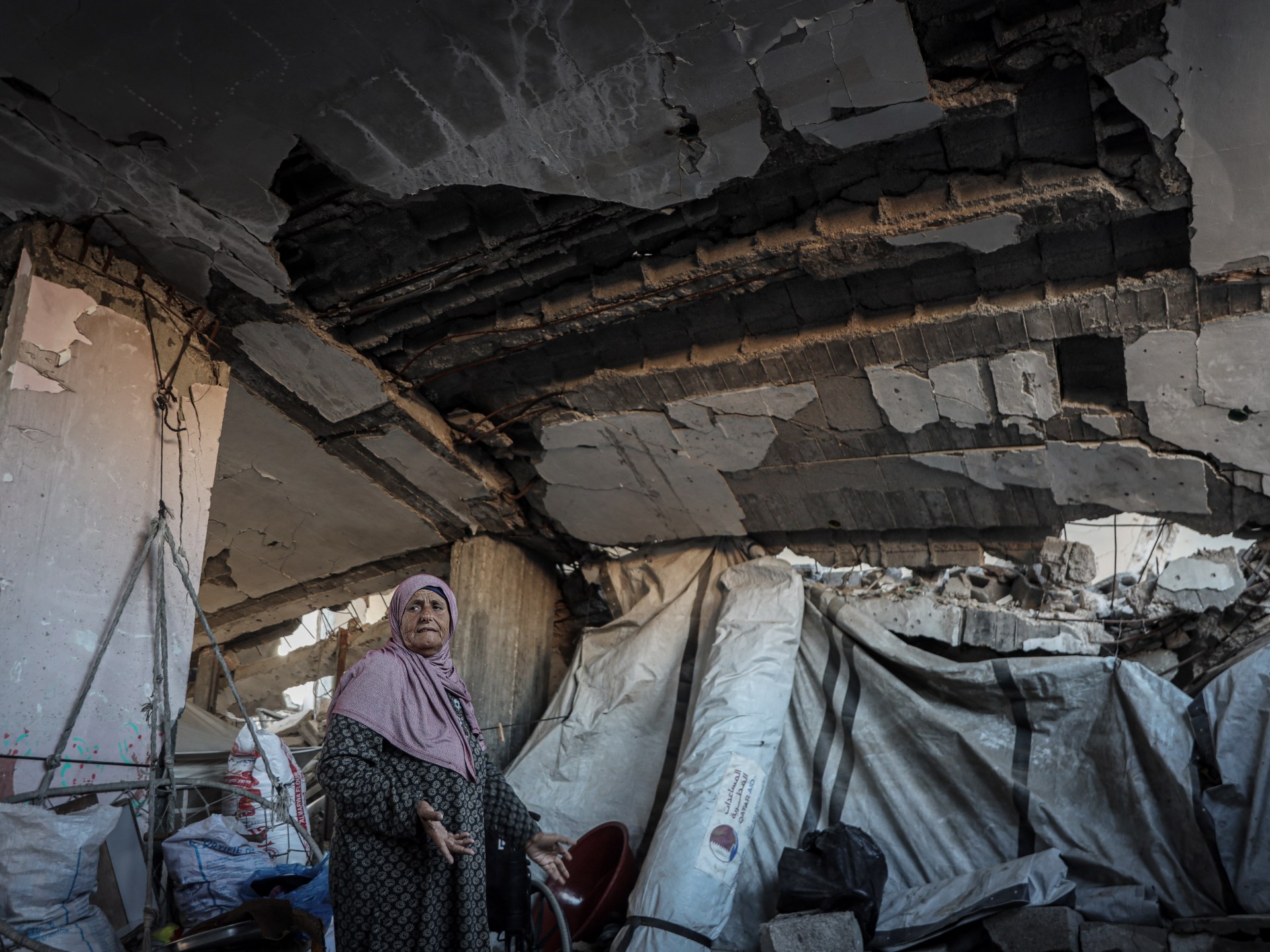
In the heart of Gaza, the concept of home has been reduced to fragile, broken concrete. For thousands of families, the ongoing Gaza housing crisis has created an impossible dilemma, forcing them to reside in skeletal remains of buildings that threaten to collapse at any moment. With no viable alternatives for relocation and a landscape marked by persistent destruction, the survival of these families hangs in a precarious, daily balance.
Understanding the Gaza Housing Crisis
The scale of the devastation is difficult to grasp. Recent data indicates that over 76 percent of the housing stock in the region has been leveled or severely damaged. For individuals like 60-year-old Masada Abu Jarad, the roof above her head is little more than jagged steel and rubble. Despite warnings from local civil defense teams, she remains trapped in a state of indefinite displacement, unable to return to her original home in Beit Lahiya and lacking the financial resources to secure safer shelter.
This is not an isolated incident. The situation serves as a grim reflection of a population pushed to the brink by years of conflict. International observers, including the United Nations, have frequently highlighted that the infrastructure is currently incapable of supporting the needs of the survivors. The recent collapse of a six-storey residential building, which resulted in the loss of 21 lives, serves as a haunting indicator of the dangers inherent in the current living conditions.
The Psychological Toll of Unsafe Living
For those like 40-year-old Abdullah Abu Hajar, the fear is constant. Living in a structure clearly marked by municipal authorities as unstable, he describes a life where sleep is a luxury he cannot afford. Every creak of the floorboards or shift in the wind keeps him awake, acting as a human sentry for his children. This pervasive anxiety is amplified by the approach of winter, as colder weather and expected rainfall threaten to compromise already weakened load-bearing columns.
The lack of public trust in the current aid distribution systems, combined with restrictions on the import of essential materials like tarpaulins and tents, leaves families with no leverage. Many feel as though they are merely waiting for the next catastrophe, moving between various ruins in a cycle that offers no long-term stability.
The Looming Winter Threat
As the colder months approach, the risk of structural failure increases significantly. Water penetration through damaged roofs and walls acts as a catalyst for further degradation. For parents, the choice is horrific: remain in a structurally unsound building that offers minimal protection from the elements, or face the prospect of homelessness in an area already suffering from severe overcrowding. As noted by agencies like UNICEF, the vast majority of the population is currently existing in spaces that are entirely unfit for human habitation, yet there is nowhere else to turn.
Ultimately, the stories of residents in Gaza reveal the deep-seated exhaustion of a people who have lost almost everything. While they continue to hope for a reprieve or a safer alternative, the reality of the Gaza housing crisis remains a stark, daily confrontation with mortality, as families hold onto what little they have left in the rubble.