
CJP’s Abhijeet Dipke Threatens ‘Jantar Mantar 2.0’ On Oct 10 If Gyanesh Kumar Doesn’t Resign
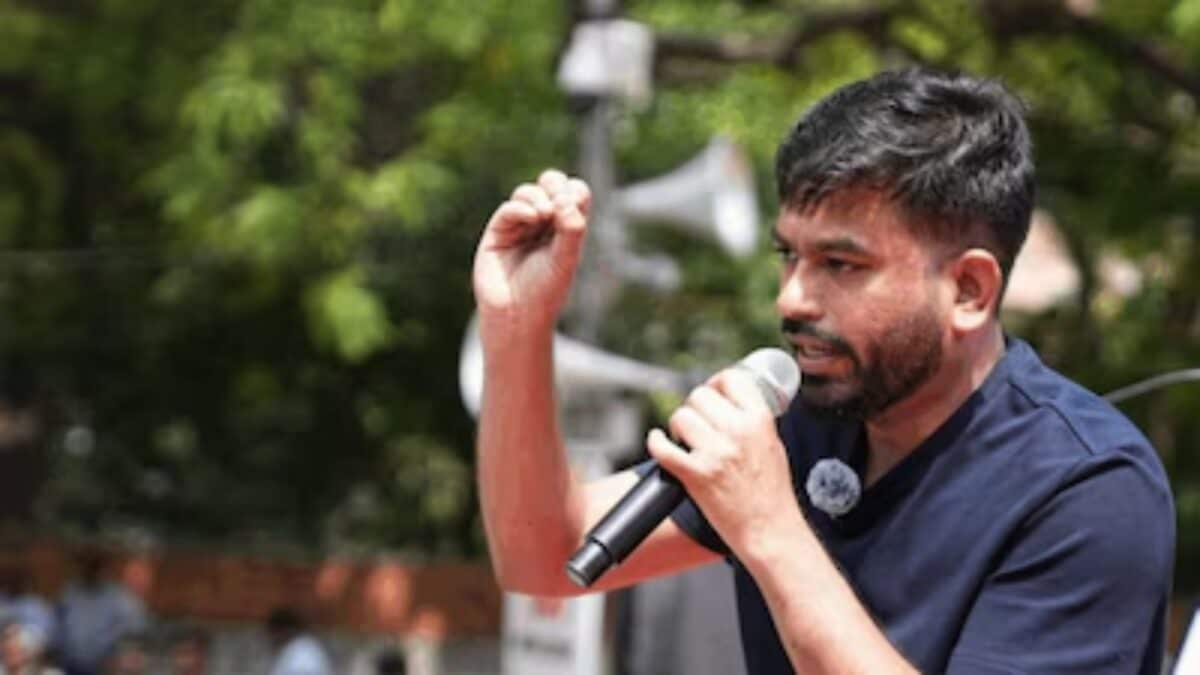
The Cockroach Janta Party, led by activist Abhijeet Dipke, has issued a bold ultimatum that is currently sending ripples through the political landscape of India. As calls for institutional accountability intensify, the CJP plans a Jantar Mantar protest scheduled for October 10 if Chief Election Commissioner Gyanesh Kumar fails to step down from his post. This mobilization follows a significant demonstration held in Mumbai, where Dipke galvanized supporters and declared that a nationwide march toward the national capital is imminent should their demands remain unaddressed.
Dipke’s rhetoric has been both sharp and strategic. In a recent statement, he emphasized that the upcoming movement intends to be a peaceful andolan, firmly rooted in the principles once championed by Mahatma Gandhi. Yet, the warning to authorities is clear: if Delhi Police intervenes or attempts to block the movement, the site of that intervention will effectively transform into their Jantar Mantar, regardless of its original location. This calculated defiance echoes the volatile scenes often witnessed during civil unrest, signaling a deep-seated frustration with current administrative processes.
The Growing Calls for Reform at Jantar Mantar
The demands surrounding the resignation of the Chief Election Commissioner are not isolated. Across India, opposition parties, student-led organizations, and youth collectives have intensified their campaigns, citing deep concerns regarding the integrity of the electoral process. Specifically, these groups point toward alleged irregularities found within the Special Intensive Revision of electoral rolls. They argue that mass deletions of legitimate voters threaten the very fabric of democratic participation. For more historical context on civil movements and their impact, one might explore the evolution of non-violent resistance in democratic societies.
Recent days have seen a surge in police activity as authorities grapple with these widespread demonstrations. Reports indicate that nearly 1,000 protesters were detained in Delhi alone during the most recent wave of dissent. Similar expressions of discontent have been documented in cities such as Ahmedabad, Lucknow, and Patna. These incidents reflect a broader, more systemic struggle for accountability within educational and governance sectors that has been brewing for months.
Dipke, reflecting on past confrontations, specifically recalled the events of July 20 at the same symbolic protest venue, where he alleged that police used excessive force against those demonstrating over the NEET paper leak. By highlighting this history, the CJP leader is forcing a difficult choice upon the state: will the government respect the constitutional right to peaceful assembly, or will they repeat the confrontational tactics of the past? As the October 10 deadline approaches, political analysts are watching closely to see if this pressure group can sustain momentum or if the administrative crackdown will stifle the movement before it reaches the capital.
The CJP has also expanded its list of grievances. Beyond the demand for resignation, the party is advocating for a formal criminal investigation into the conduct of the Chief Election Commissioner and those issuing directives. Furthermore, they are calling for an immediate halt to the ongoing Special Intensive Revision process and are challenging the legitimacy of the 2023 law that currently governs the appointment of election commissioners. As the situation remains fluid, the streets of Delhi may once again become the epicenter of a national conversation on electoral fairness, democratic rights, and the limits of state power in the face of public dissent.