
Tejas Mk1A: Review Meeting Post Oct 15 To Decide Delivery Schedule, First Lot Expected By Year-End
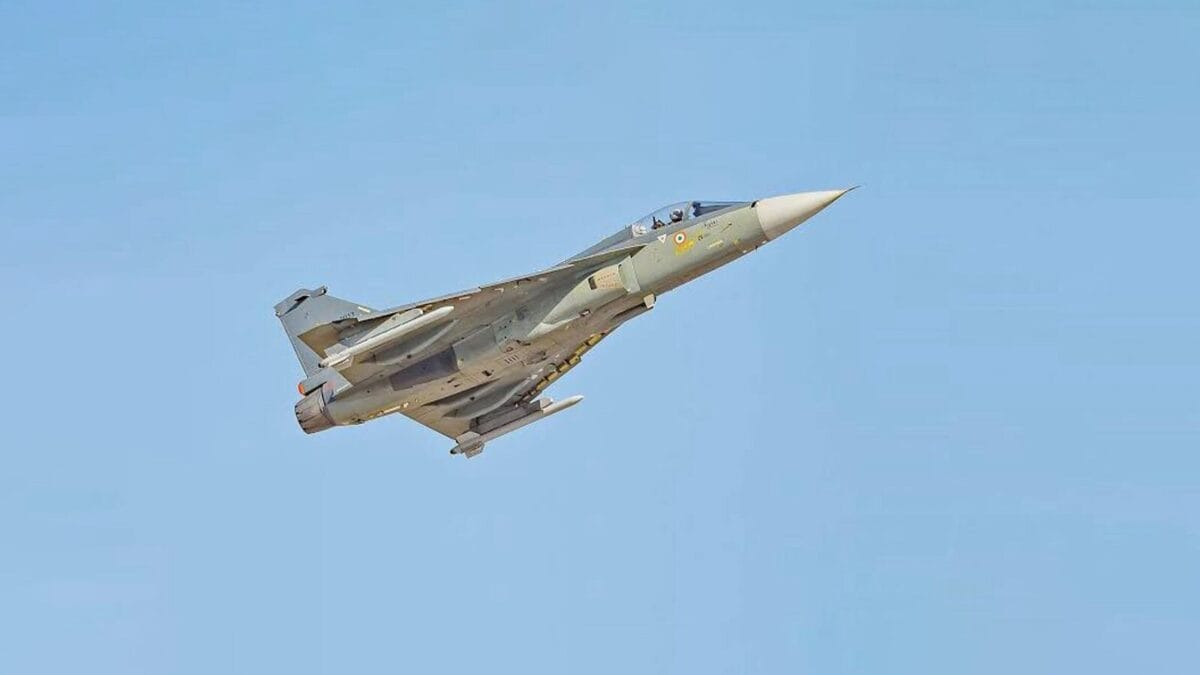
The Indian Air Force is poised for a pivotal moment in its modernization journey as it prepares for a high-level review of the Tejas Mk1A fighter jet program. Following weeks of speculation regarding production timelines, a critical assessment meeting is scheduled for the latter half of October. Defence officials are expected to converge after October 15 to conduct a forensic analysis of the current status of the program, specifically focusing on the integration of advanced radar systems and weaponry.
While the project faces ongoing scrutiny, the stakes remain incredibly high. The Indian Air Force has committed to acquiring a total of 180 of these indigenous jets to combat the depletion of its fighter squadron strength. For a deeper look at how some of the internal systems are being optimized in other sectors of defense, one might consider the broader security context currently being discussed within the service.
The Tejas Mk1A Production Bottlenecks
Hindustan Aeronautics Limited (HAL) has reported that 27 airframes are currently in a state of readiness. However, the completion of the jets is not solely reliant on the physical structure. The primary hurdle now lies in the complex integration of the radar and weapon suites. Despite the supply of 11 F404 engines from the primary engine supplier, no single aircraft is currently flight-ready for induction into the squadron.
This delay is a source of significant concern for the top brass. Air Chief Marshal AP Singh recently articulated the frustration of the service, noting that the slippage in delivery timelines actively hinders operational planning. In a landscape where regional adversaries are rapidly adopting next-generation aerial capabilities, the pressure on domestic manufacturers to accelerate output has reached a boiling point.
The Long Road to Deployment
The saga of the Tejas Mk1A began with a massive Rs 48,000-crore contract signed in February 2021 for the initial 83 aircraft, with a subsequent order for 97 more units to bolster the fleet. The original roadmap suggested that the inaugural batch should have reached the hangar by March 2024. As the months have turned into years, global supply chain volatility has been cited as a major culprit, yet the lack of a fully integrated jet remains a glaring gap in the nation’s air superiority goals.
The upcoming meeting in October serves as a final push to solidify a realistic delivery schedule before the end of the current financial year. Officials are cautious yet optimistic, with one senior representative noting that the work is nearly complete. Whether this translates into immediate inductions remains to be seen. Industry watchers are keeping a close eye on the proceedings, as the success of the Tejas Mk1A serves as a benchmark for the success of the ‘Atmanirbhar Bharat’ initiative in the defense sector.
For those interested in how industrial efficiency and advanced technology play a role in national preparedness, whether in a high-tech kitchen or a fighter hangar, keeping up with these innovative infrastructure developments is essential for understanding the future of domestic output.