
Egyptian journalist faces terrorism charges after entire newsroom detained
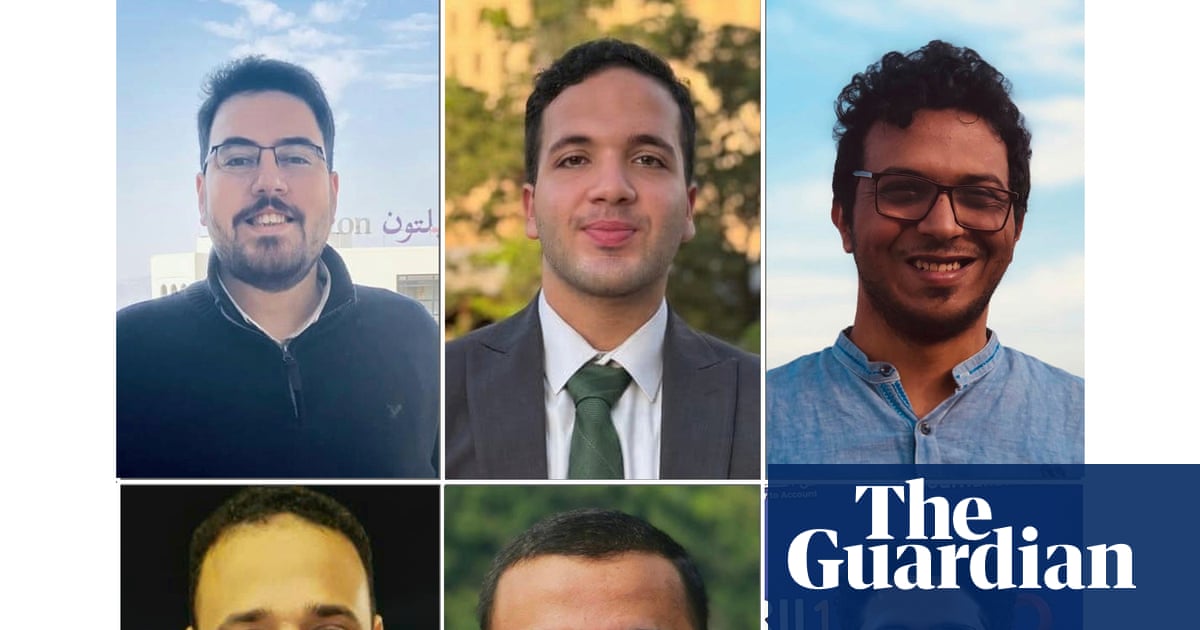
In a deeply concerning development for independent media in North Africa, an Egyptian journalist has been officially charged with joining a terrorist organization. This move arrives just days after the entire newsroom of the investigative platform Matsadaash, which translates to ‘don’t believe,’ was detained by state security forces. The incident has sent shockwaves through regional human rights organizations, who view the mass arrest as a calculated, aggressive crackdown on press freedom.
Last week, authorities descended upon the offices and homes of six journalists: Abdallah Qadri, Mohamed Ashraf, Mohamed Adel, Islam Barakat, Mohamed Mahmoud, and Omar Helal. The government issued a statement claiming the staff were unlicensed and accused them of disseminating false information on behalf of the banned Muslim Brotherhood. This rhetoric is consistent with the government’s long-standing official policy toward political dissent, which often labels investigative reporting as a national security threat.
The Escalation Against Independent Press
The situation turned particularly grim on Sunday when Egyptian authorities formally charged Mohamed Ashraf with joining a terrorist group and spreading false news. According to the Egyptian Initiative for Personal Rights, the legal proceedings were characterized by a grueling interrogation session that spanned ten hours, from 10 PM until 8 AM. Throughout this ordeal, investigators focused exclusively on the factual content produced by Matsadaash. Ashraf is currently slated for a 15-day detention period pending further investigation, while the whereabouts of his five colleagues remain entirely unknown.
Abdelrahman Mansour, co-founder of the platform, has vehemently denied any association with the Muslim Brotherhood, a movement labeled a terrorist organization by Egypt following the 2013 coup. Mansour characterized the detention of his colleagues as one of the most severe assaults on the sanctity of journalism in Egypt’s recent history. He noted that his team was simply fulfilling their professional duties, uncovering facts, and asking difficult questions about issues that fundamentally impact the daily lives of citizens. As the international community watches, many are asking why a news team was targeted simply for performing their jobs.
The silence from Cairo has been absolute. The Egyptian State Information Service failed to respond to requests for comment regarding the status of the detainees. This wall of silence is typical of the current political climate where geopolitical tensions often overshadow local human rights abuses. Meanwhile, a massive sit-in was organized by the Egyptian Journalists Syndicate in Cairo, with members demanding the immediate release of the Matsadaash staff and calling for an emergency session to address the systematic suppression of the press.
International Implications and Aid Waivers
Human rights experts, including those from Human Rights Watch and the Committee to Protect Journalists, have issued urgent condemnations. Their outcry highlights a disturbing reality: the arrests occurred mere days after the United States government decided to waive human rights conditions on $320 million in military aid to Cairo. Citing Egypt’s role in maintaining national security, the US State Department pushed forward with the funding despite the deteriorating climate for civil society. This is not an isolated case, as many global powers have historically been willing to overlook Egypt’s human rights record in exchange for strategic security cooperation.
Since President Abdel Fatah al-Sisi assumed power following the ousting of Mohamed Morsi, the space for independent political and media activity has been aggressively suffocated. Egypt currently sits at 169th out of 180 countries on the Reporters Without Borders Press Freedom Index. With approximately 26 journalists currently held behind bars, the future for independent platforms like Matsadaash appears precarious. As the international community continues to monitor the situation, the fate of these six professionals serves as a grim barometer for the health of free speech in the Middle East.