
US death row inmate Christa Pike taken to hospital after surviving two lethal injections, says lawyer
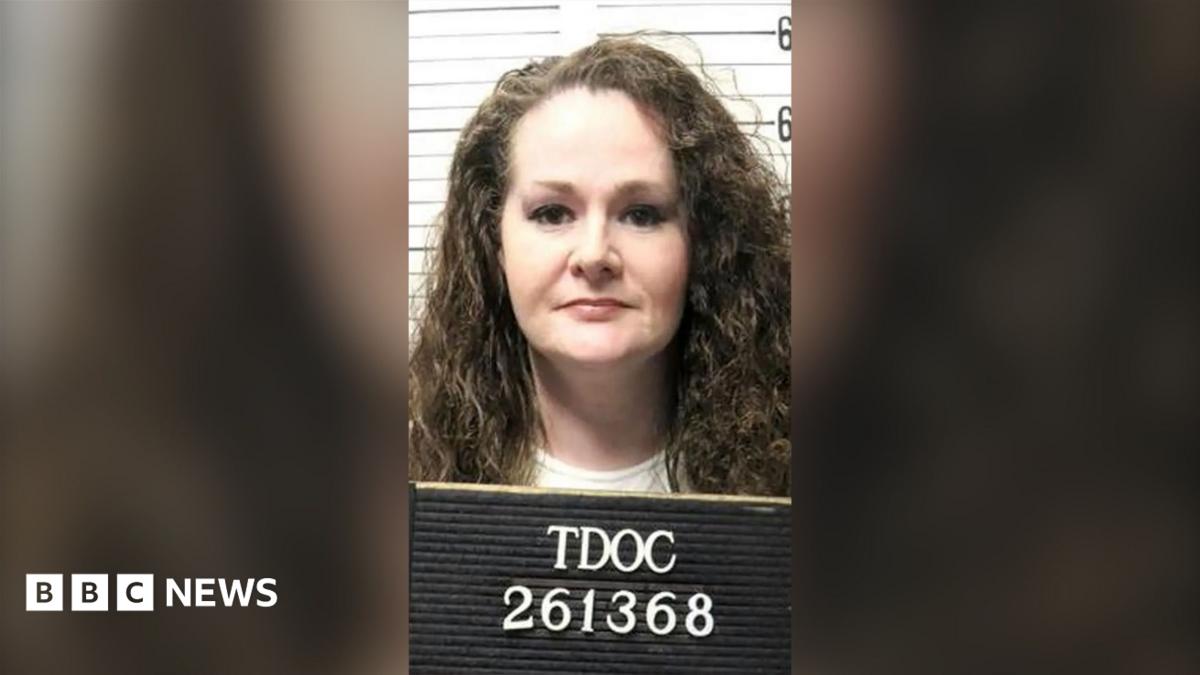
In a harrowing turn of events that has reignited the national debate surrounding capital punishment, the scheduled execution of Christa Pike, Tennessee’s only female death row inmate, has resulted in a medical crisis. The 50-year-old inmate was transported to an external medical facility after her heart continued to beat following the administration of two lethal injections of pentobarbital. This botched procedure has thrust the state’s opaque execution protocols into the harsh spotlight of public scrutiny, raising profound questions about the ethics and mechanical reality of state-sanctioned death.
The drama began at the Riverbend Maximum Security Institution in Nashville. According to reports from the Associated Press, the procedure faltered almost immediately. Legal representatives for Pike, who was sentenced to death in 1996 for the 1995 murder of 19-year-old Colleen Slemmer, filed an emergency motion as the execution was still underway. Their urgent plea to the courts highlighted a disturbing scene, stating that while the inmate had lost consciousness, she remained alive, audibly snoring, and maintaining a heartbeat. This event serves as a grim reminder of the complexities inherent in justice systems, similar to the legal hurdles often seen in high-profile capital cases.
The Anatomy of a Botched Christa Pike Execution
The legal team for the condemned woman has long contested the state’s methodology. Following the failure to successfully carry out the sentence, they issued a stinging statement. They pointed to a systemic failure involving difficult vein access, degraded chemical supplies, and a glaring lack of emergency medical readiness. For decades, advocates have argued that the lethal injection process is prone to significant error, and this incident offers a visceral example of those risks. Dr. Joel Zivot, an expert in medical ethics at Emory University, noted that the failure to reach sufficient blood levels of the sedative likely caused a prolonged, traumatic state rather than a swift end.
The State of Tennessee, however, has remained defiant. A spokesperson for the Department of Correction insisted that the institution followed all established, lawful protocols approved by the Attorney General’s Office. They maintained that the chemicals used were consistent with past successful executions and that no further procedures were permitted under their current guidelines. This administrative rigidness stands in stark contrast to the growing movement for transparency in prison facilities, which some activists believe should be handled with the same urgency as major geopolitical transitions.
The case of Christa Pike is particularly complex due to the history of the crime itself. Pike and her then-boyfriend were convicted of the brutal torture-murder of Slemmer at a job training camp for troubled teens. The discovery of an inverted pentagram carved into the victim’s chest created a media firestorm in the mid-1990s. While Pike has since expressed remorse, describing herself as a mentally ill teenager incapable of stopping the violence, the mother of the victim, May Martinez, has sought closure through the implementation of the sentence for years, noting the immense psychological weight of waiting decades for justice.
As the legal community reacts to these events, the focus has shifted to the psychological and medical aftermath for the inmate. Being revived and returned to a cell after a near-death experience is a scenario that challenges the boundaries of human rights laws. Critics are now calling for a moratorium on all executions in the state until a full, independent inquiry can be conducted. For the relatives of victims, the families of death row inmates, and the public at large, this case remains a deeply uncomfortable intersection of justice, morality, and the unpredictable reality of death protocols.