
Pro-Palestine university groups march in London on October 7 anniversary
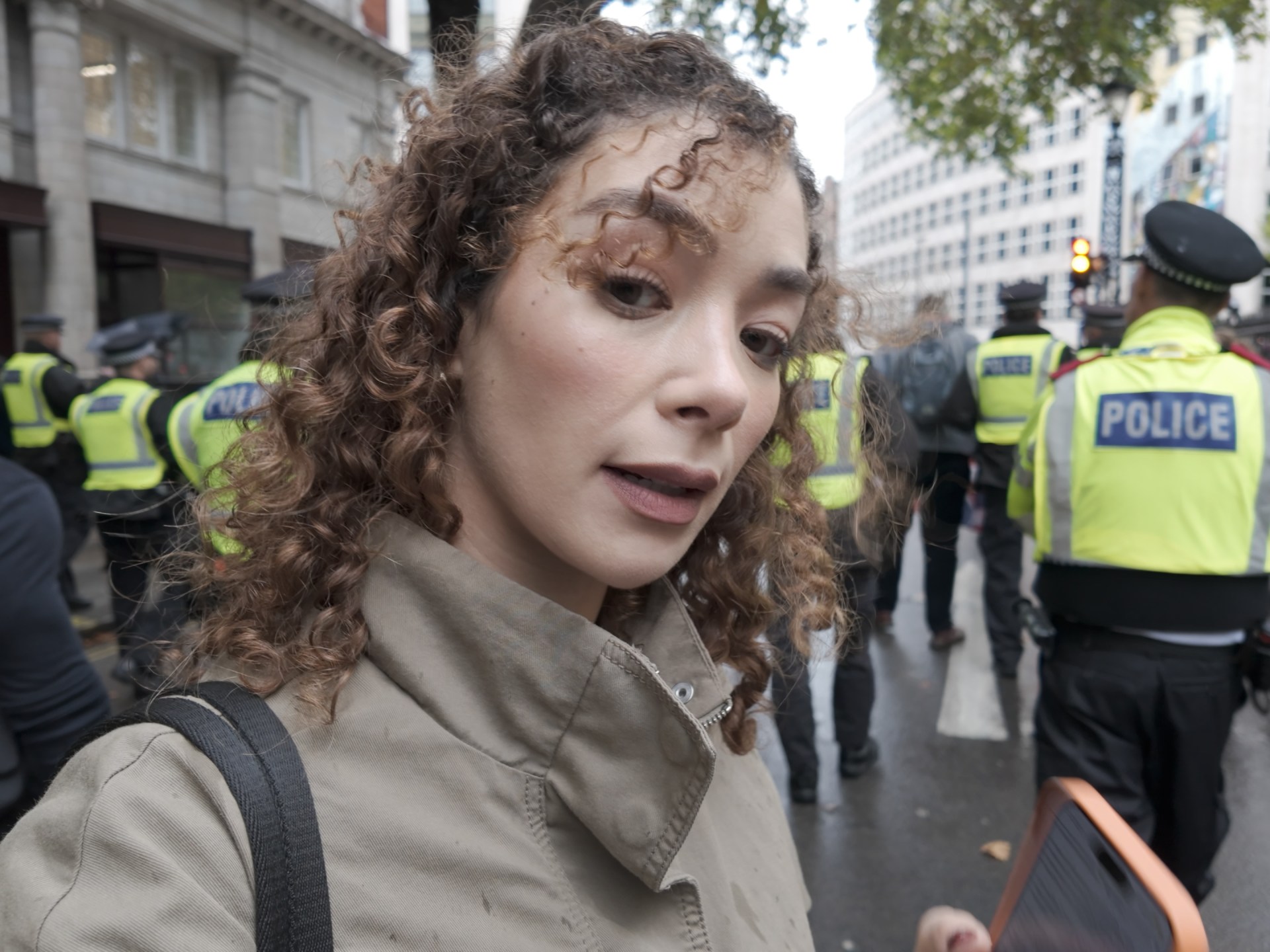
Introduction & Key Takeaways
The recent pro-Palestine student marches in London, held on the somber anniversary of October 7, represent a pivotal moment in contemporary political activism. This event underscores the growing intensity of campus mobilization and the friction between public assembly rights and government requests for restraint. Understanding the underlying dynamics of these London student protests requires looking beyond the immediate imagery and examining the deeper socioeconomic and geopolitical pressures shaping global discourse today.
- Student-led movements are increasingly acting as independent conduits for foreign policy critique.
- Tensions between law enforcement and protesters suggest a hardening of administrative stances regarding public demonstrations.
- The timing of these marches reflects a global attempt to synchronize activism on significant historical anniversaries.
Background & Context
The decision by university-affiliated groups to march in London despite explicit police requests to postpone reflects an escalating desire for visibility on the global stage. October 7 serves as a polarized focal point in the current geopolitical landscape. While official government bodies often push for quiet or symbolic remembrance, grassroots organizations, particularly within academic circles, prioritize active protest as a form of moral engagement. This specific incident fits into a broader pattern where university campuses have become the primary battlegrounds for debates surrounding international conflict, human rights, and the ethical responsibility of higher education institutions.
Root Cause & Deep Dive Analysis
Why did this happen now? The primary driver is a profound misalignment between institutional narratives and the prevailing sentiments of a younger, highly connected generation. These students often view themselves as part of a transnational movement that transcends local borders. The digital age, with its rapid dissemination of information and real-time conflict footage, has collapsed the distance between local student life and global crises. Furthermore, the persistence of these demonstrations despite opposition from authorities indicates a weakening of traditional top-down authority within the UK public sphere. Similar patterns of civil unrest can be seen in historical context, such as the tensions explored in reports on school protests in France, which illustrate how academic environments naturally gravitate toward political focal points during periods of extreme social strain.
Strategic Implications & Future Impact
The strategic implications of these London student protests are multifaceted. For the UK government, the ability to manage or mitigate such displays of dissent without inciting further unrest remains a delicate balancing act. If administrations lean too heavily into policing these events, they risk appearing suppressive, which can inadvertently fuel the growth of the movement. Conversely, a policy of non-interference might embolden organizers to expand their scope. Globally, these protests impact how international relations are interpreted by the public. When students prioritize human rights frameworks over state-sanctioned narratives, it shifts the diplomatic burden for government officials who must navigate these increasingly vocal domestic constituencies. Similar shifts are often noted in major international news outlets, which track how public sentiment flows influence long-term policy adjustments.
Conclusion & What to Watch Next
As we look forward, the trajectory of these London student protests will likely depend on the resilience of student-led organizations and the capacity of the state to handle dissent. We are witnessing a realignment where the university is no longer just a place for research, but a central node for political output. Observers should keep a close watch on how future university guidelines regarding freedom of speech are drafted, as these will likely serve as the next administrative threshold for these ongoing debates. Whether these demonstrations evolve into structured political movements or dissipate as the anniversary recedes remains the primary question for political analysts this coming year.