
Flooded Roads, Poor Visibility: Heavy Rain Worsens Rush-Hour Traffic In Delhi-NCR, Many Areas Waterlogged
Introduction & Key Takeaways
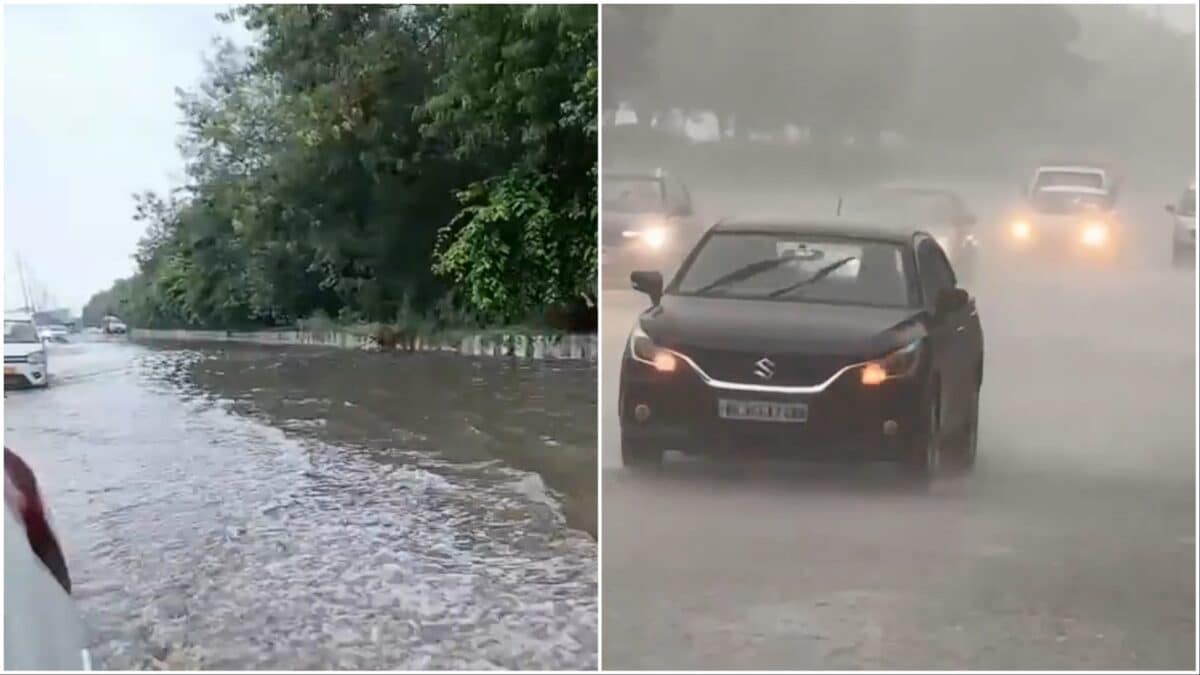
The national capital region recently faced severe weather conditions as heavy rain and thunderstorms lashed Delhi-NCR, leading to widespread chaos during the critical Monday morning commute. This intense meteorological event serves as a stark reminder of the infrastructure vulnerabilities in high-density urban zones. The Delhi-NCR traffic situation was severely impacted by waterlogged roads, reduced visibility, and significant delays, forcing commuters to navigate a perilous landscape of overflowing drains and congested arterial routes. As urban centers continue to expand, these climate-driven disruptions demand greater focus on resilient infrastructure and long-term disaster management.
- The India Meteorological Department (IMD) issued a red alert across all 11 districts of the capital.
- Safdarjung observatory recorded a significant 40 mm of rainfall within a few hours.
- Key transit hubs like the Mahipalpur Flyover and areas surrounding Jhandewalan Mandir suffered from severe waterlogging.
- Official advisories urged residents to remain vigilant and avoid flood-prone zones.
Background & Context
What just happened in Delhi-NCR is part of an increasingly volatile weather pattern affecting North India. On Monday morning, a sudden shift in atmospheric conditions triggered heavy showers that effectively paralyzed major road networks. Commuters, already dealing with the typical pressures of a Monday morning, found themselves trapped in gridlock as streets became rivers. Visibility plummeted in cities like Noida, forcing drivers to rely on hazard lights to navigate the thick blanket of rain. This event highlights how even a few hours of intense precipitation can overwhelm urban drainage systems that are often outdated or insufficient for rapid urbanization.
Root Cause & Deep Dive Analysis
The primary driver behind this crisis was a robust weather system that the IMD classified as requiring a red alert. By targeting all 11 districts, the meteorology department underscored the potential for structural damage, lightning strikes, and gusty winds reaching 60 kmph. The 40 mm of rain recorded at Safdarjung, alongside 30 mm at the Delhi airport, illustrates the sheer volume of water that hit the region in a condensed timeframe. This rapid accumulation suggests that existing storm-water management, while functional for routine events, struggles to cope with the extreme intensity often associated with modern climate anomalies.
Strategic Implications & Future Impact
The broader impact of such events extends beyond mere traffic delays. Economically, these disruptions affect logistics, reduce workforce productivity, and stress public resources. For urban planners, the challenge is clear: how to build a metropolis that remains functional despite sudden, intense climate volatility. To address some of these systemic issues, residents often turn to localized updates and community safety protocols as outlined in our recent guide on navigating seasonal weather alerts. The future of Delhi-NCR’s development must prioritize sustainable drainage solutions and elevated transport infrastructure to mitigate the growing threat of waterlogging during the monsoon and post-monsoon transition periods.
Conclusion & What to Watch Next
As the skies clear and temperatures stabilize between 32 and 35 degrees Celsius throughout the upcoming week, the immediate crisis appears to be subsiding. However, the recurring nature of these events necessitates a shift from reactive measures to proactive disaster mitigation. Residents should keep an eye on official forecast updates as the weather stabilizes for the remainder of the week. Monitoring long-term climate trends and supporting infrastructure upgrades will remain essential to ensuring that Delhi-NCR can maintain its rhythm, even when the clouds open up with unexpected intensity.