
Controversial vaccine trial touted by RFK Jr gets go-ahead in Guinea-Bissau
Introduction & Key Takeaways
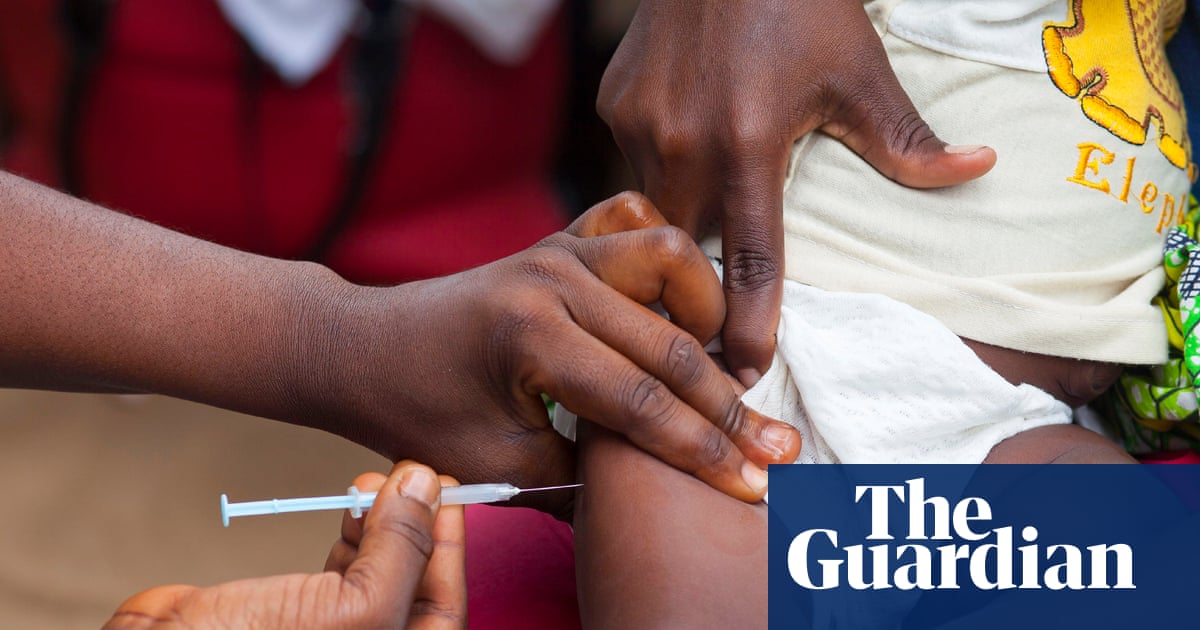
A controversial vaccine trial has gained approval to proceed in Guinea-Bissau, involving the deliberate withholding of hepatitis B vaccinations from thousands of newborns. The study, which has sparked intense international scrutiny and resignations among review committee members, is closely linked to the policy vision of Robert F. Kennedy Jr. This vaccine trial raises profound questions regarding medical ethics, the exploitation of developing nations for research, and the potential shift in global health standards under new political leadership. Key takeaways include:
- The study will enroll 14,000 infants, randomly assigning them to either receive or not receive the birth dose of the hepatitis B vaccine.
- Multiple members of the University of Southern Denmark ethics committee resigned in protest, citing the design as inherently unethical.
- Critics argue that this project serves as a prototype for broader efforts to dismantle standardized birth vaccination protocols.
- The US government, through the CDC, has reportedly allocated significant funding for this initiative, drawing further alarm from public health experts.
Background & Context (What Just Happened?)
For decades, international medical consensus has prioritized the hepatitis B birth dose as a critical intervention against life-long liver disease. However, the approved research protocol in Guinea-Bissau seeks to delay this administration for six weeks in a randomly selected group of infants. While the project was initially suspended following a global outcry, local authorities and a Danish ethics committee have now authorized its continuation. This decision follows the broader international policy shifts often associated with the current US administration’s approach to public health directives.
Root Cause & Deep Dive Analysis (Why Did This Happen?)
The motivation behind this vaccine trial appears rooted in a desire to challenge current pharmaceutical and public health guidelines. Critics, including physician Paul Offit, suggest that the study is not designed to uncover a new medical truth but rather to gather data that might validate the skepticism surrounding childhood immunization programs. The methodology involves a lottery-style selection, which experts note creates an arbitrary risk profile for the infants involved. By using a setting where the vaccine is not yet universal, the researchers are effectively exploiting a gap in healthcare delivery to test a hypothesis that contradicts established World Health Organization (WHO) recommendations.
Strategic Implications & Future Impact (What Does This Mean Globally?)
The implications of this study extend far beyond the borders of Guinea-Bissau. If this model succeeds, it may set a dangerous precedent for using developing countries as proxies for domestic policy experiments that would otherwise fail ethical review in Western nations. Furthermore, if the results are used to influence policy, it could lead to a significant decline in global vaccination rates, particularly for diseases that have been controlled for generations. This situation echoes the complex political dynamics seen in regions currently facing sovereignty and administrative battles, where international aid and local governance collide over public health priorities.
Conclusion & What to Watch Next
The approval of this vaccine trial marks a pivotal moment in the ongoing conflict between traditional public health advocacy and emerging political movements. As the implementation phase nears, the global scientific community remains on high alert. Observers must watch for future reports from the Africa CDC, which has expressed strong opposition, and monitor whether the controversial protocol leads to measurable health setbacks for the participating infant population. The intersection of geopolitical interests and clinical research demands a rigorous defense of ethical standards to ensure that no child’s health is compromised for the sake of political agenda setting.