
‘Looking At It Very Strongly’: Trump Offers US Help As Russia Downplays Plague Reports
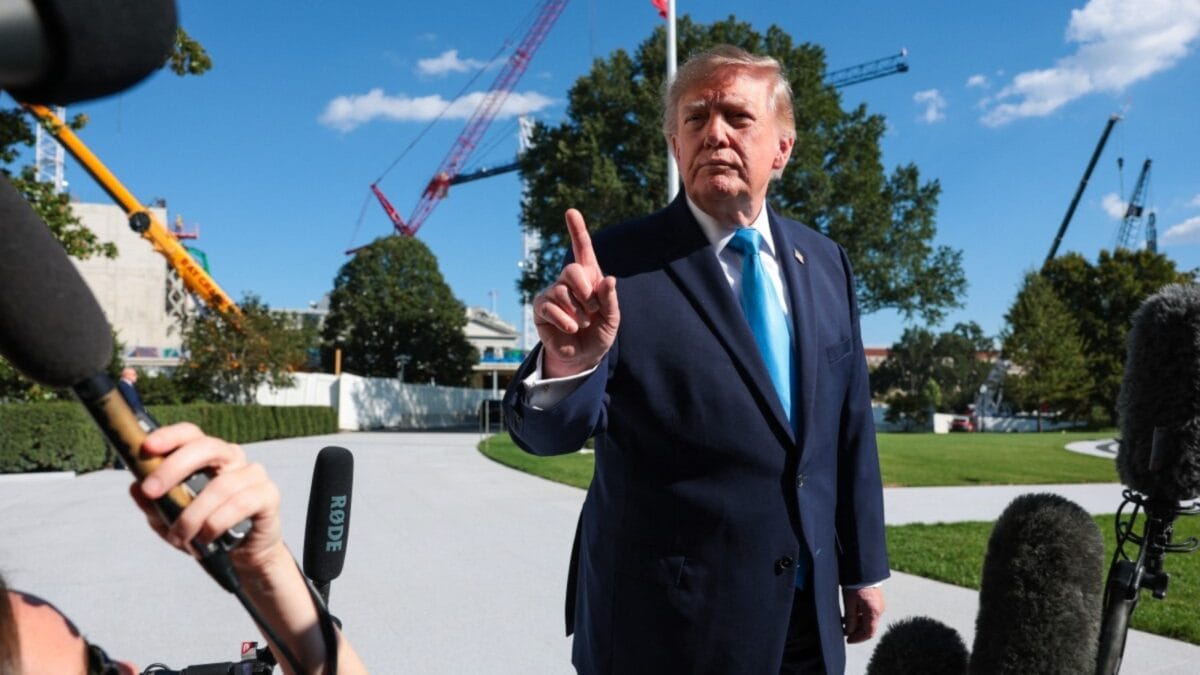
In an unexpected geopolitical development, US President Donald Trump has officially stated that Washington is closely monitoring reports of a potential outbreak in Russia. The primary focus of this international attention is the reported death of a 28-year-old laboratory worker in the Siberian Irkutsk region, which has sparked significant global concern. During a recent address, President Trump confirmed that the United States is ready to offer assistance to the Russian authorities to contain the potential risk of plague reports surfacing from the region.
The Potential Plague Reports Under Scrutiny
The situation began with widespread alarm after news outlets reported the death of Darya Shipilova, a researcher at an anti-plague institute. Initial, unverified accounts suggested that a laboratory accident involving a broken test tube could have exposed the worker to the deadly pneumonic plague. Such incidents naturally evoke fear, especially given the history of bio-security concerns in high-containment laboratories. Because this form of the bacterial disease is transmissible via respiratory droplets, the World Health Organization notes that early detection and isolation are critical to preventing a wider disaster.
As international observers watch these plague reports unfold, the response from the Kremlin has remained firmly dismissive. Russian officials, including Irkutsk Governor Igor Kobzev, have publicly disputed the validity of the claims. They assert that the employee died from pneumonia of undetermined aetiology rather than any biological agent. Furthermore, the national health watchdog, Rospotrebnadzor, claims that biological samples taken from the deceased showed no traces of the bacteria she was studying. You can read more about how global security concerns are often managed at the official stance on military base safety in related geopolitical contexts.
Diplomatic Vigilance and Global Health
Washington’s decision to intervene in the narrative surrounding these plague reports reflects a heightened state of sensitivity following the lessons learned from the Covid-19 pandemic. US Secretary of State Marco Rubio noted that while there is currently no specific cause for alarm, the potential for rapid transmission makes it necessary to maintain a vigilant watch over the situation. When pathogens are potentially involved, diplomatic transparency becomes a cornerstone of global public health.
Experts in bacterial vaccinology, such as Malick Gibani from Imperial College London, have suggested that the measures currently reported in Russia, such as the quarantine of associates, appear to be a measured and appropriate response. These steps are designed to halt any potential transmission chains before they gain momentum. Whether the incident resulted from a standard health failure or a laboratory mishap, the international community remains unified in its desire for clarity and safety.
The uncertainty surrounding these events highlights a broader problem: the difficulty of verifying information from high-security zones during potential outbreaks. Kremlin spokesman Dmitry Peskov has urged the public to avoid speculation, yet the lack of transparency often fuels further rumors. As the world waits for definitive medical reports, the US government has positioned itself to provide support, keeping the dialogue open in the interest of regional and global security.