
After Modi-Zelenskyy Call, Jaishankar Discusses Ukraine Conflict With Russia’s Lavrov
Introduction & Key Takeaways
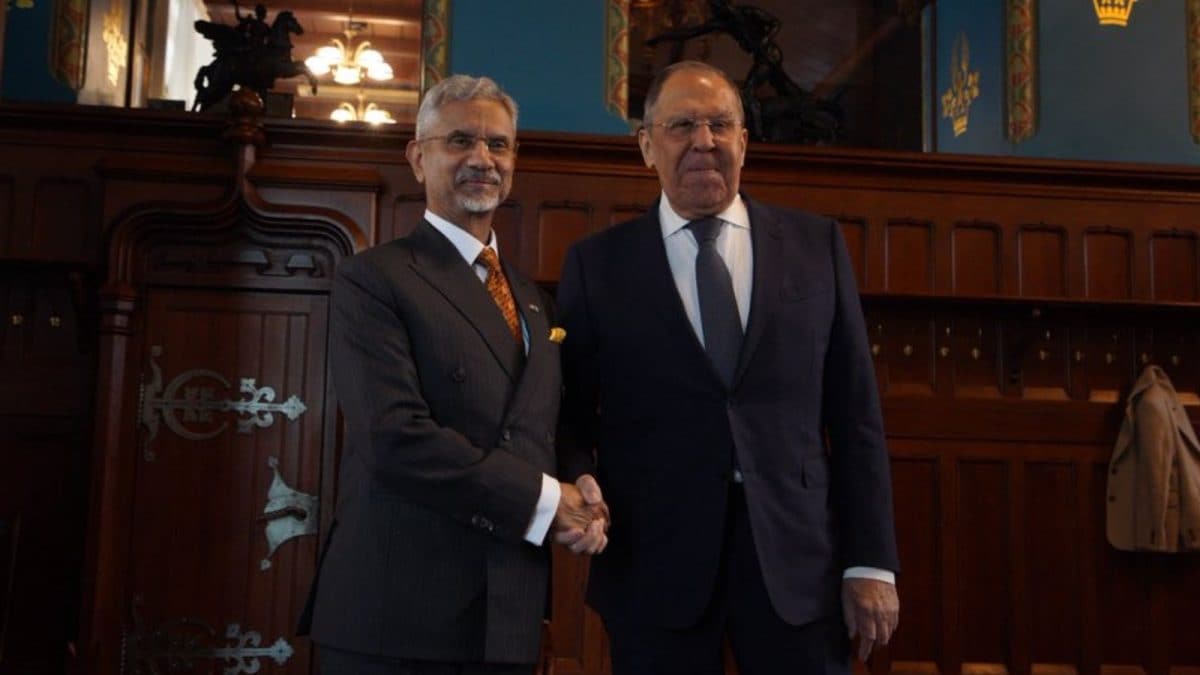
As the international community watches for signs of de-escalation in the protracted Russia-Ukraine conflict, India has intensified its diplomatic efforts to facilitate peace. External Affairs Minister S. Jaishankar recently held a critical telephonic conversation with his Russian counterpart, Sergey Lavrov, shortly after Prime Minister Narendra Modi consulted with President Volodymyr Zelenskyy. This flurry of high-level communication underscores India’s strategic positioning as a neutral bridge builder in a geopolitical landscape marred by deep divisions.
- India remains committed to a human-centric approach, prioritizing dialogue over military escalation.
- Prime Minister Modi has reiterated to global leaders that the time for war has passed.
- New Delhi is positioning itself as a potential mediator for humanitarian corridors and food security.
- Upcoming negotiations in Abu Dhabi are set to test the effectiveness of these renewed diplomatic overtures.
Background & Context: The Push for Peace
The recent diplomatic outreach follows months of stalemate in what is now Europe’s deadliest conflict since the second global war. While previous efforts have often yielded limited tangible progress, the anticipation surrounding the upcoming negotiations in Abu Dhabi has sparked cautious optimism. These talks, involving officials from Russia, Ukraine, and the United States, aim to break the multi-year cycle of violence. For more on regional instabilities, consider reading about the recovery efforts in Nepal after their recent national crisis.
Root Cause & Deep Dive Analysis
Why is India emerging as a key mediator in the Ukraine conflict? India occupies a unique space in global geopolitics, maintaining historical defense and energy ties with Moscow while simultaneously strengthening strategic partnerships with Western nations. This dual posture allows New Delhi to communicate with stakeholders who are otherwise deeply polarized. Experts suggest that India’s focus on food security and global economic stability provides a pragmatic framework for discussions that move beyond strictly military terms. By framing the conflict as a human-centric crisis, India avoids becoming entangled in the binary rhetoric that often stalls progress at the United Nations and other multilateral forums.
Strategic Implications & Future Impact
The involvement of various global powers in the upcoming Abu Dhabi summit reflects a growing realization that a military-only solution is increasingly untenable for all parties involved. If India successfully leverages its influence to secure even modest humanitarian agreements, it could redefine its role from a regional powerhouse to a pivotal global diplomat. The strategy hinges on the belief that neutral parties are essential for facilitating back-channel communication. This approach is not merely altruistic, it is a calculated effort to preserve global supply chains and economic stability, both of which are threatened by the ongoing Ukraine conflict. Furthermore, the role of external figures, such as the former First Lady of the United States, has previously demonstrated that localized ceasefires can lead to humanitarian breakthroughs.
Conclusion & What to Watch Next
As the conflict nears its five-year anniversary, the diplomatic fatigue of the international community is becoming palpable. India’s recent engagement highlights a determined effort to ensure that the Ukraine conflict does not spiral further into a permanent state of global destabilization. Whether these phone calls and meetings in Abu Dhabi will translate into lasting peace remains to be seen. Observers should keep a close eye on the outcome of the UAE meetings and any follow-up visits by Indian diplomats to Moscow or Kyiv, as these will serve as the primary indicators of whether a diplomatic breakthrough is truly on the horizon.