
France blames Iran for October supermarket cyberattack
Introduction & Key Takeaways
The geopolitical landscape of cyberspace has shifted dramatically as France formally accuses Iran of orchestrating a large-scale cyberattack on its domestic infrastructure. In a move that highlights the growing vulnerability of everyday technology, French Foreign Minister Jean-Noël Barrot explicitly named the Iranian Islamic Revolutionary Guard Corps as the entity responsible for the disruption of commercial supermarket fridges throughout the nation. This incident, which transpired in October 2026, serves as a stark reminder of how digital warfare has migrated from military servers to the consumer aisle.
- The Iranian Islamic Revolutionary Guard Corps is cited as the primary perpetrator of the October cyber intrusion.
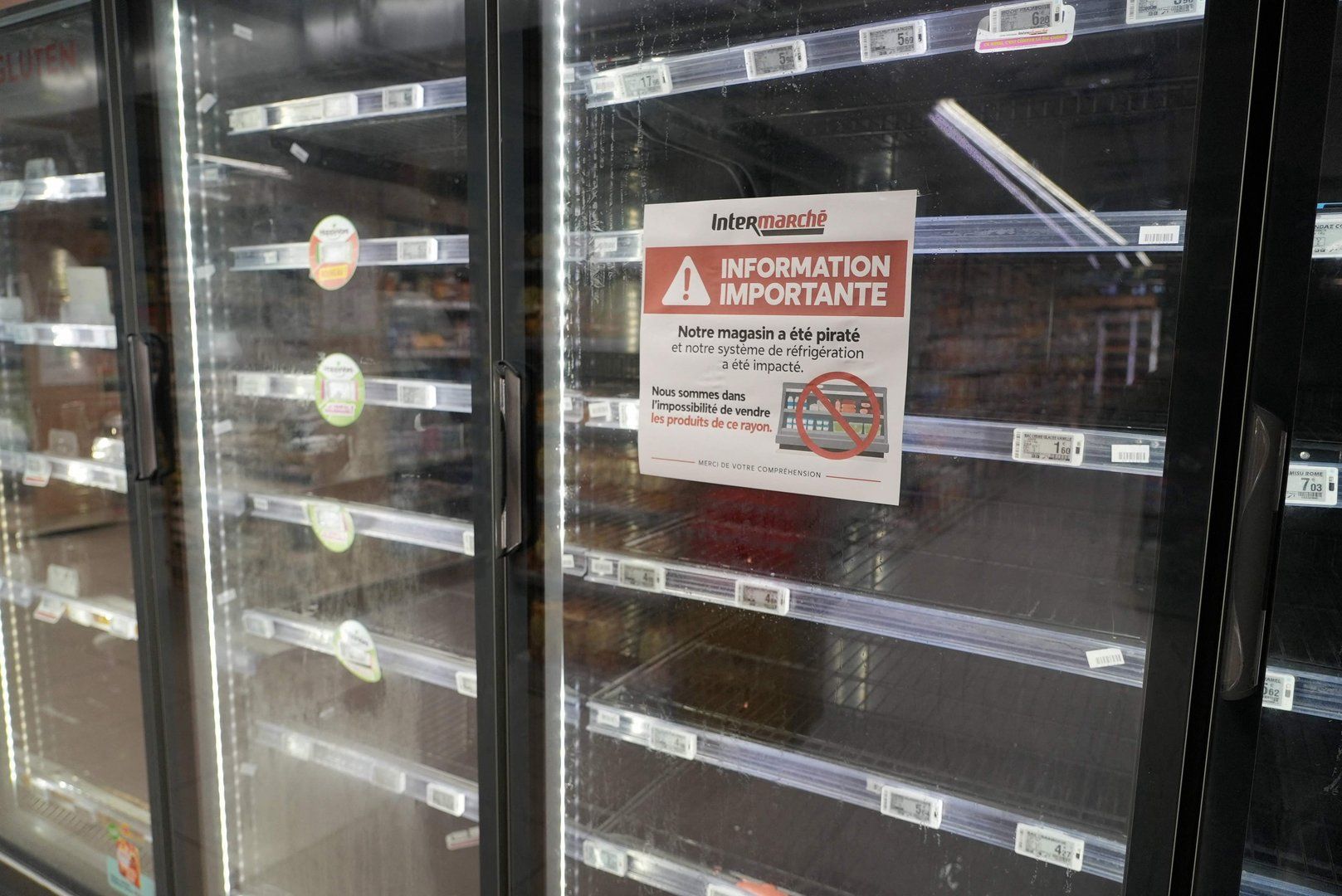
- The attack specifically targeted refrigeration systems in hundreds of French supermarkets, threatening food safety and supply chains.
- This development underscores the escalating risk of non-military infrastructure becoming a battleground for state actors.
- France accuses Iran of supermarket fridge hacking as a calculated act of digital aggression.
Background & Context (What Just Happened?)
In October, numerous supermarket chains across France reported synchronized malfunctions within their automated refrigeration systems. Initially treated as a technical glitch or a localized software failure, the situation escalated when forensic investigations revealed evidence of malicious external interference. The precision of the attack suggested a sophisticated state-sponsored operation rather than an amateur effort. The incident created significant concern regarding food spoilage and public health, necessitating rapid emergency interventions by retail managers and government technicians. This event is not an isolated occurrence but follows a trend where digital infrastructure has been repeatedly targeted in modern geopolitical disputes.
Root Cause & Deep Dive Analysis (Why Did This Happen?)
The motivation behind targeting mundane consumer appliances remains a subject of intense analysis. By compromising the Internet of Things (IoT) devices that power the modern supermarket, state actors can exert psychological pressure and impose economic costs without triggering a conventional military response. The choice of supermarket fridges as a target is particularly cunning. Such infrastructure is rarely as hardened against cyberattacks as financial or energy networks, yet it is essential for the daily functioning of society. This specific France cyberattack demonstrates that modern adversaries are mapping and exploiting the soft underbelly of western consumer economies to project power and signal displeasure.
Strategic Implications & Future Impact (What Does This Mean Globally?)
The formal accusation leveled by Minister Barrot carries significant diplomatic weight. By publicly attributing the attack to the Iranian Revolutionary Guard, France is signaling that the era of plausible deniability in cyberwarfare is effectively over. This stance forces other European nations to reconsider the security of their own smart-connected appliances. If supermarket refrigeration units can be disabled, one must wonder about the integrity of water treatment plants, home heating systems, and traffic control networks. The long-term impact involves a mandatory shift toward stricter cybersecurity regulations for commercial IoT manufacturers. We are witnessing the beginning of a cold war in the digital domain, where every connected switch in a household or store is a potential point of failure in an international power struggle.
Conclusion & What to Watch Next
As international tensions remain volatile, the incident in France will likely serve as a catalyst for new cybersecurity defense protocols across the European Union. Observers should keep a close eye on upcoming sanctions or diplomatic responses from Paris. Furthermore, the global community must prepare for a future where the distinction between a commercial maintenance error and a state-sponsored act of war becomes increasingly blurred. Protecting the digital integrity of the supermarket aisle is no longer a matter of mere IT maintenance, but a critical imperative for national and regional security moving forward.