
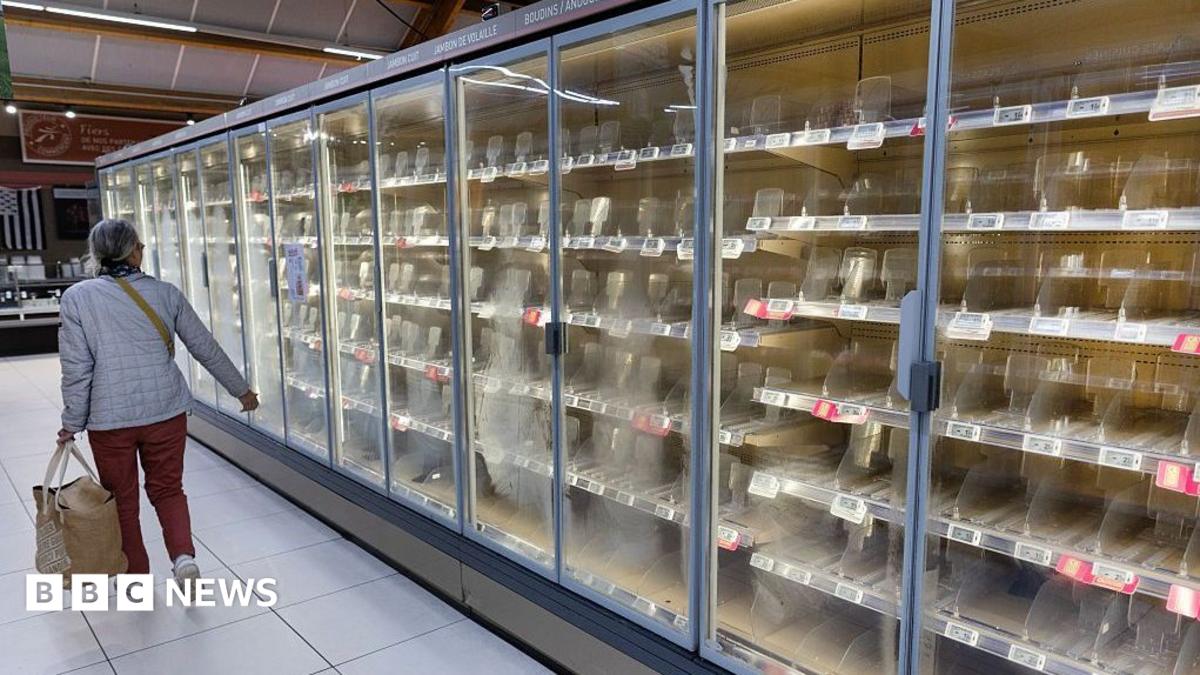
France accuses Iran of supermarket fridge hacking
Introduction & Key Takeaways
The global cybersecurity landscape has shifted dramatically following a bold and unusual wave of digital sabotage that targeted essential retail infrastructure. France has officially accused Iran of orchestrating sophisticated cyber-attacks that crippled commercial refrigeration systems, leading to massive food spoilage across numerous European countries. This supermarket fridge hacking campaign, attributed by French authorities to the Iranian Islamic Revolutionary Guard Corps, represents a worrying escalation in state-sponsored digital warfare against civilian targets.
- France blames Iran for coordinated attacks on supermarket cooling systems.
- The sabotage caused millions of euros in damages by spoiling fresh and frozen food.
- Similar incidents have been reported in other European nations and, earlier this year, at US military facilities.
- The crisis highlights critical vulnerabilities in remote-management industrial software.
Background & Context (What Just Happened?)
Beginning in mid-October, hundreds of supermarkets throughout France, including major chains like Intermarché and Coopérative U, experienced an inexplicable rise in refrigerator temperatures. In some instances, units reached temperatures as high as 50 degrees Celsius, effectively destroying vast quantities of inventory overnight. French authorities initially scrambled to identify the source of these malfunctions, eventually tracing the activity to the manipulation of remote management software developed by Danfoss. The BBC has covered the unfolding nature of these attacks as they spread beyond French borders, impacting retail chains in countries such as Belgium, Luxembourg, and Sweden.
Root Cause & Deep Dive Analysis (Why Did This Happen?)
The supermarket fridge hacking incidents demonstrate a pivot toward weaponizing Internet of Things (IoT) infrastructure. By targeting the remote software used to manage industrial cooling, threat actors bypassed traditional firewalls and physical security measures. French prosecutors identified a specific unit known as Shahid Kaveh, affiliated with Iran’s Islamic Revolutionary Guard Corps, as the primary suspect. This choice of target is highly strategic, as it aims to cause economic disruption and public anxiety rather than data theft. Unlike traditional ransomware, where attackers demand payments for decryption, these sabotaged units were manipulated with the sole intent of inflicting harm on the food supply chain.
Strategic Implications & Future Impact (What Does This Mean Globally?)
The weaponization of civilian infrastructure is a dangerous development in international relations. When state actors move from targeting government networks to crippling the basic utilities and food supplies of private citizens, the threshold for conflict is lowered. This shift serves as a stark reminder of the fragile state of global industrial controls. If state-linked groups can compromise Internet of Things devices to sabotage supermarkets, the same logic could eventually be applied to heating grids, water systems, or hospital equipment. The French government’s promise of sanctions highlights a growing need for international legal frameworks to govern cyber-sabotage during peacetime. Furthermore, the incident underscores the urgent necessity for retail firms to harden their remote-access protocols against external manipulation.
Conclusion & What to Watch Next
As international investigators continue to probe the extent of the supermarket fridge hacking, the global retail sector remains on high alert. The incident serves as a wake-up call for corporations relying on centralized, cloud-based management systems for critical physical assets. While Iran has remained silent on the accusations, the diplomatic fallout between Paris and Tehran will likely intensify as more nations reveal potential evidence of related intrusions. Observers must watch for future sanctions from the European Union and potential countermeasures that might further destabilize an already tense geopolitical environment.