
COP31 opens amid energy crisis as activists demand climate action
Introduction & Key Takeaways
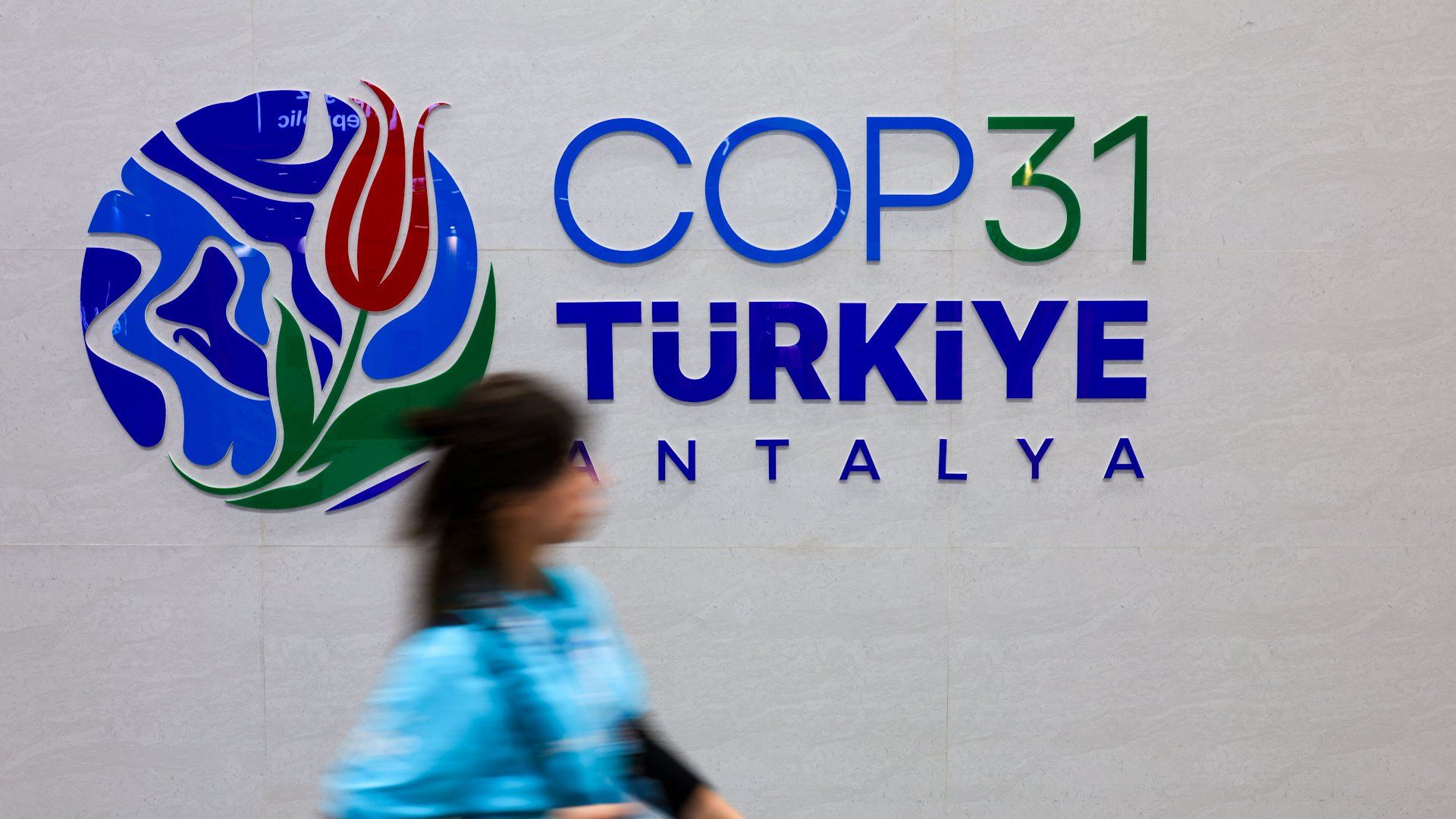
The COP31 climate summit has officially commenced in Turkiye, setting the stage for a high-stakes dialogue against a backdrop of global volatility. As international leaders gather to address the accelerating climate crisis, the focus is heavily weighted by an ongoing energy crisis that has forced many nations to pivot back to traditional fossil fuels. This COP31 meeting serves as a critical juncture, where the promises of green transition clash with the immediate, cold reality of economic and national security demands. Observers are closely watching how delegations balance the urgent necessity of decarbonization with the precarious state of global energy supplies.
- The summit occurs during severe energy disruptions, complicating international carbon reduction commitments.
- Activists are forcefully calling for an end to systemic greenwashing and agricultural industrialization.
- Turkiye hosts the event amid its own industrial challenges, providing a unique lens for climate discourse.
- Strategic focus remains on whether electrification can scale sufficiently to offset the current return to coal and oil.
Background & Context
To understand the current tension at COP31, one must look at the recent history of energy markets. Geopolitical conflicts have severed long-standing supply chains, leading to a scramble for reliable energy sources. This desperation has caused a noticeable reversal in climate policy for many developed nations, which have temporarily increased their reliance on coal and natural gas to keep grids stable. The summit in Turkiye represents a difficult middle ground. While previous iterations of the UN climate conferences focused on long-term targets, the current atmosphere is defined by the immediate struggle to reconcile energy poverty with environmental sustainability.
Root Cause & Deep Dive Analysis
The primary driver of the current friction is the fundamental mismatch between political ambition and infrastructure capability. While many governments pledge to prioritize renewable energy, the transition is hindered by a lack of investment in modern, resilient grid systems. This has resulted in a phenomenon where the rhetoric of sustainability is viewed by some grassroots groups as simple greenwashing. Furthermore, critics point to the massive carbon footprint of industrial agriculture, an area they feel has been largely ignored by previous climate accords. As noted in reports on global agricultural struggles, the failure to integrate small-scale, sustainable solutions into the broader climate policy framework leaves many vulnerable to both weather patterns and economic shifts.
Strategic Implications & Future Impact
The implications of this summit are vast. If nations cannot agree on a viable roadmap for a genuine energy transition, the reliance on fossil fuels may become structurally entrenched rather than temporary. This would have catastrophic long-term consequences for global climate goals. Geopolitically, energy security has become a bargaining chip. For more context on how these regional tensions influence international relations, one might examine historical climate agreements to see where the current framework falters. The pushback from activists at COP31 signals a growing impatience with incremental progress, suggesting that future summits will face even more scrutiny regarding their tangible impact rather than just their symbolic value.
Conclusion & What to Watch Next
As the COP31 sessions proceed, the global community must observe whether the rhetoric of the opening days translates into actionable policy or remains trapped in negotiation deadlocks. The key metrics for success will include concrete financial commitments to developing nations, clear pathways for phasing out industrial agriculture subsidies, and a credible plan to decoupling economic growth from fossil fuel consumption. While the path ahead is filled with obstacles, the urgency of the moment requires more than just standard diplomatic promises. Whether Turkiye can foster a consensus remains the central question of the week.