
‘Almost Akin To Civil Death’: Delhi HC Rebukes SSC Over 3-Year Ban On Candidate
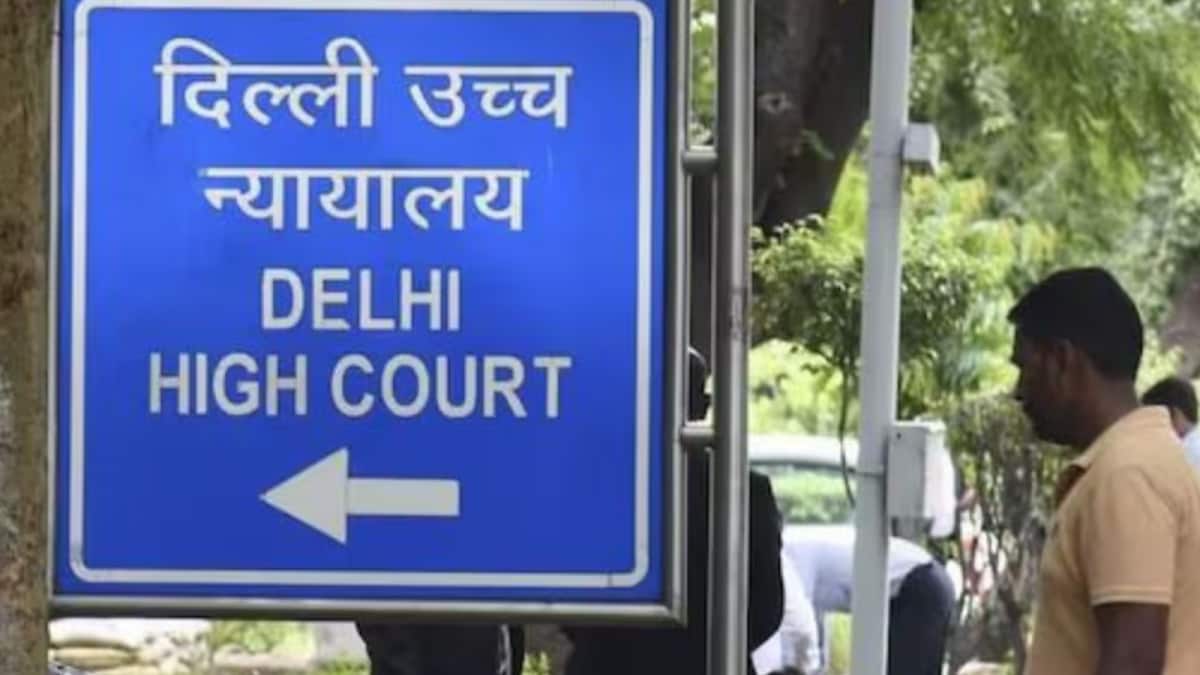
In a landmark judgment that reinforces the fundamental principles of natural justice, the Delhi High Court has issued a sharp rebuke to the Staff Selection Commission (SSC). The court scrutinized the commission for its decision to cancel a candidate’s examination results and impose a stringent three-year ban without granting the individual any opportunity to present a defense. This case serves as a poignant reminder that procedural fairness is not merely a formality but a vital protection against the arbitrary exercise of institutional power.
Understanding the Civil Death Ruling
The core of this controversy dates back to the 2016 Multi-Tasking Staff Examination, where a candidate was suddenly notified by the SSC that his candidature had been terminated. This life-altering decision was based solely on a report filed by a hall invigilator, who alleged that the candidate had assisted another student during the test. The commission failed to issue a show-cause notice, effectively stripping the candidate of his right to contest the claims before destroying his professional prospects.
Justices C Hari Shankar and Nivedita Anil Sharma, presiding over the case, did not mince their words regarding the severity of such administrative overreach. The court famously remarked that for a young individual standing at the threshold of their career, such a permanent stigma is almost akin to civil death. You can read more about recent judicial oversight and administrative shifts in legal precedents involving institutional policy. The bench emphasized that the social consequences of being labeled a cheater are profound, potentially haunting an individual for the rest of their natural life.
Furthermore, the court questioned the very necessity of the litigation. The SSC had approached the High Court to challenge an earlier order by a tribunal, which had simply directed the commission to follow basic principles of natural justice. The bench observed that the entire legal battle could have been avoided if the commission had simply practiced common courtesy by inviting the candidate to respond to the allegations against him.
The Role of Due Process in Government Recruitment
This case underscores the precarious position of candidates in large-scale recruitment processes. Often, bureaucratic systems prioritize efficiency over the rights of the individual, leading to outcomes that can ruin livelihoods without proper investigation. For those interested in broader administrative ethics, it is worth examining how global institutions address conflicts that arise when systems fail to prioritize individual dignity and due process.
The judiciary’s stance is clear: a supervisor’s report, while important for maintaining exam integrity, cannot be treated as irrefutable evidence. To function within the bounds of a democratic legal framework, entities like the SSC must ensure that their disciplinary actions are backed by an opportunity for the accused to offer an explanation. This ensures that errors in reporting or misunderstandings do not result in a lifetime of professional disadvantage.
Ultimately, the Delhi High Court has sent a powerful message to public commissions across India. The protection of a citizen’s reputation and career trajectory is a state obligation that must take precedence over rushed administrative procedures. By standing up against what it called an unhappy state of affairs, the court has safeguarded the rights of future aspirants, reminding authorities that accountability is a two-way street that begins with fair, transparent communication.