
Amitabh Bachchan’s Bungalow, Mumbai Airport, Mayor’s Office Receive Bomb Threats
Introduction & Key Takeaways
Security agencies in Mumbai have been placed on high alert following a series of alarming electronic communications claiming imminent danger to public infrastructure and high-profile citizens. The latest bomb threats, purportedly issued by an entity known as the Khalistan National Army, have targeted critical installations, including the Chhatrapati Shivaji Maharaj International Airport and the private residence of legendary actor Amitabh Bachchan. Authorities are treating these incidents with extreme gravity as they work to identify the source of these digital provocations.
- The Khalistan National Army has targeted multiple high-profile locations in Mumbai via email.
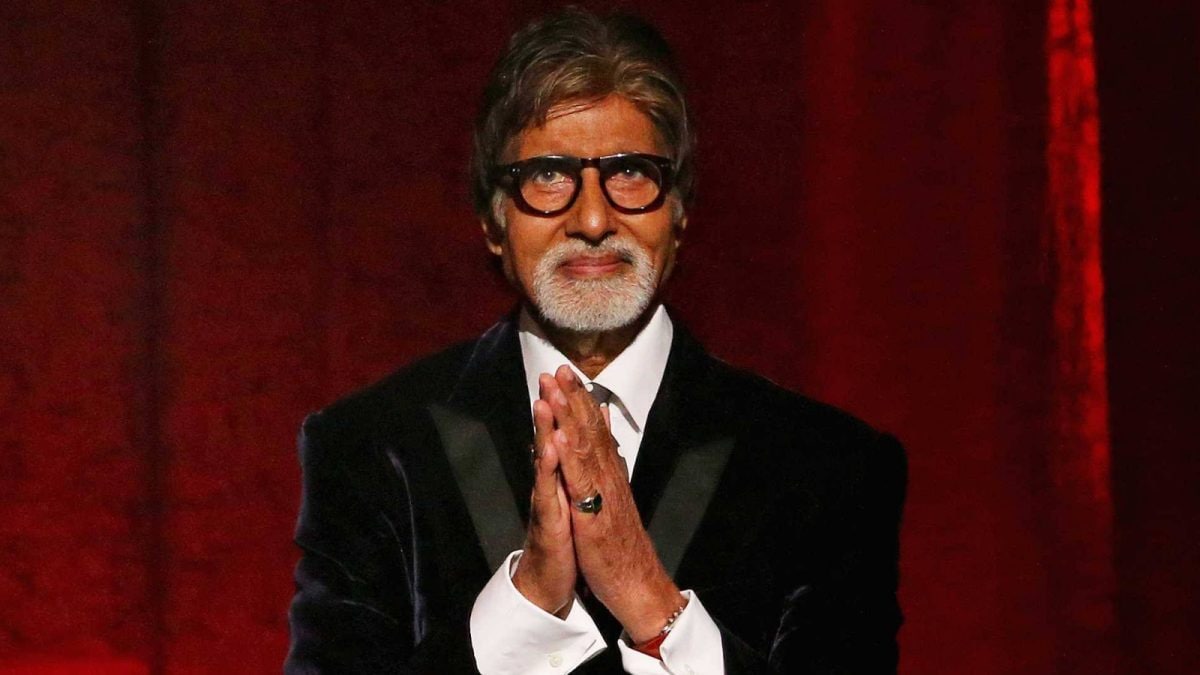
- Actor Amitabh Bachchan’s bungalow, Jalsa, was specifically mentioned in the communication.
- Security forces have conducted thorough inspections, though no suspicious devices were recovered.
- This marks a recurring pattern of intimidation, following similar threats received by the city in late October.
Background & Context: What Just Happened?
The digital landscape of modern threat assessment often intersects with real-world anxiety. Recently, an email reached authorities listing several high-profile targets in Mumbai. The message, laden with extremist rhetoric, specifically mentioned plans to attack the Jalsa bungalow, the Mumbai airport, and the office of the Mayor. Such events often exacerbate public fear, drawing comparisons to critical infrastructure vulnerabilities often seen in global conflict zones. By targeting icons of Indian culture and vital transportation hubs, the perpetrators aim to maximize psychological impact rather than just physical destruction.
Root Cause & Deep Dive Analysis
Why did this happen? At the core of these bomb threats lies a calculated attempt at destabilization. By invoking historical grievances, such as the 1984 anti-Sikh riots, these actors leverage volatile sociopolitical narratives to gain attention. The repetitive nature of these emails, targeting both the same high-profile residences and large public venues like the Mahalaxmi Stadium, suggests a coordinated effort to test the responsiveness of Indian law enforcement. In today’s digital age, the anonymity afforded by encrypted email services makes it exceptionally difficult to track the true origin of such threats. Security analysts argue that these messages act as a form of non-kinetic warfare, intended to drain institutional resources and force government agencies into a state of constant, heightened vigilance.
Strategic Implications & Future Impact
The geopolitical and domestic implications of such incidents are significant. The use of inflammatory slogans and the mention of specific dates, such as December 31, indicate an intent to disrupt the civic calm of Mumbai. If left unchecked, these incidents force the state to maintain an expensive, unsustainable level of security deployment. Furthermore, the global rise of digital cyber-enabled intimidation demonstrates that local entities are increasingly adopting international methods of coercion. Policymakers must now consider tougher regulations on digital communication to prevent such groups from successfully weaponizing fear against public figures and essential services.
Conclusion & What to Watch Next
As the Mumbai Police continue their forensic investigation into the origin of these messages, the public is advised to remain vigilant but calm. The recurrence of these threats confirms a pattern that necessitates a more robust integration of cybersecurity and physical counter-terrorism protocols. Future developments will depend heavily on the ability of forensic teams to trace the digital footprint of the senders. Until then, citizens and high-profile individuals alike will continue to navigate a landscape where digital threats have become a permanent fixture of modern security planning.