
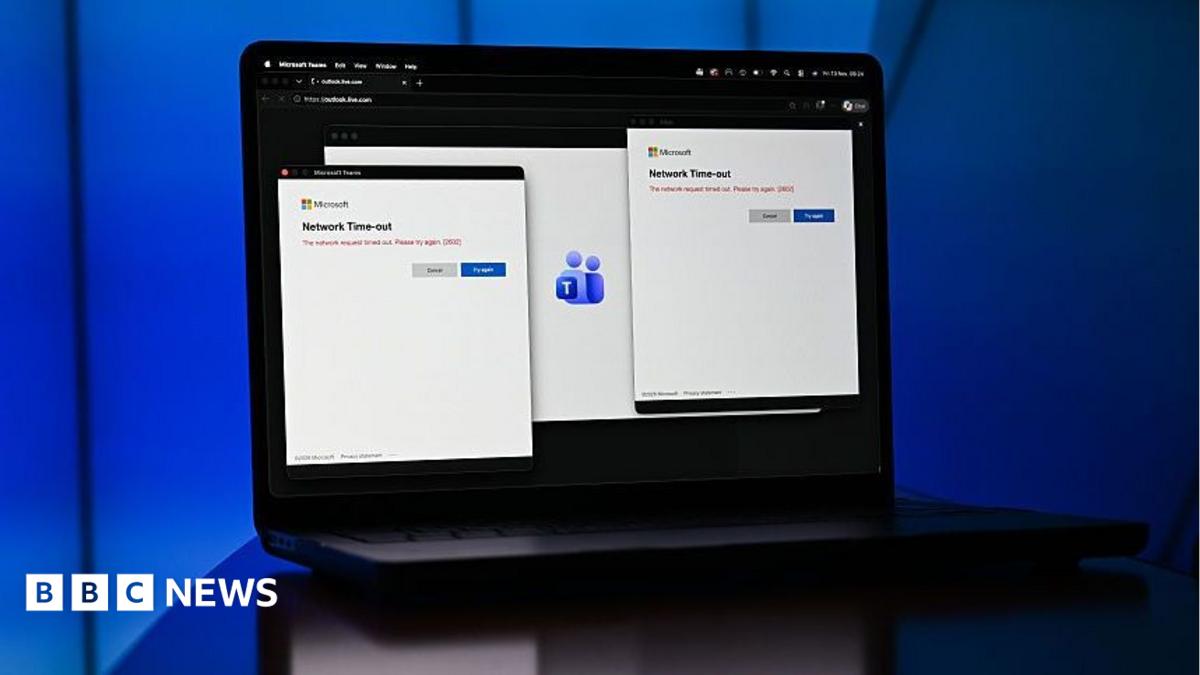
Microsoft ‘deeply sorry’ for global outage after almost 24 hours of disruption
Introduction & Key Takeaways
The recent digital paralysis that swept across the globe serves as a jarring wake-up call regarding our collective reliance on centralized cloud infrastructure. A massive Microsoft outage has triggered widespread disruption, affecting over 430 million users and paralyzing essential functions across 70 countries. As the tech giant works toward full restoration, the incident has highlighted profound systemic vulnerabilities in the modern, hyper-connected digital landscape.
- The disruption, spanning nearly 24 hours, was attributed to a technical error during a routine network capacity upgrade.
- Government agencies, healthcare systems, and global supply chains experienced significant operational delays.
- The event underscores the dangers of tech monopolization and the urgent need for robust contingency planning in an era of cloud dependency.
Background & Context (What Just Happened?)
Beginning on Thursday, users worldwide reported an inability to access core Microsoft 365 services, including Outlook and Teams. While initial panic hinted at potential cyber threats or hostile state actors, Microsoft officials clarified that the root cause was a self-inflicted technical failure. For nearly 24 hours, the heartbeat of the modern global economy, reliant on digital communication and real-time collaboration, slowed to a crawl. The global Microsoft outage forced institutions, from the Japanese government to North American courtrooms, to revert to manual processes or stall work entirely.
Root Cause & Deep Dive Analysis (Why Did This Happen?)
At its core, this crisis was not a security breach but a failure of operational redundancy. Microsoft confirmed that the issue arose during a network capacity upgrade. Such updates are frequent, yet the scale of this failure suggests a lack of fail-safe mechanisms when things go wrong. This is not the first time global infrastructure has stumbled due to centralized points of failure, similar to when the US ground all flights after a communication issue. The reliance on a single provider for email, storage, and organizational coordination turns these tech giants into critical infrastructure, yet they lack the public oversight typically applied to utilities like water or power.
Strategic Implications & Future Impact (What Does This Mean Globally?)
Geopolitically and economically, the fallout from this outage is significant. Small businesses, like those in the agricultural sector, faced complete stalls in exports, while public services faced delays in patient care and legal filings. The cloud computing model has undoubtedly increased efficiency, but it has also created a scenario where a single developer’s oversight can effectively shut down entire nations. We are observing a shift where digital sovereignty is no longer just a buzzword; it is a necessity. Future legislative debates will likely focus on whether big tech firms should be classified as essential service providers, requiring higher standards of technical resilience and emergency response protocols.
Conclusion & What to Watch Next
While services are returning to a stable state, the reputational damage and the questions surrounding long-term dependency remain. Organizations must now look beyond standard backup procedures. A post-incident report from the tech giant is forthcoming, but the broader conversation has already shifted. Enterprises are evaluating whether the convenience of a unified, cloud-first architecture justifies the risk of total operational collapse during such failures. Moving forward, stakeholders should prioritize building hybrid infrastructures that allow for manual or decentralized workarounds when the cloud goes dark. Staying informed on updates from the full incident report will be vital for any entity seeking to fortify its digital resilience against future volatility.