
What we know about the ground stop and what to do if you’re affected
Introduction & Key Takeaways
The recent massive US ground stop represents a pivotal moment for global aviation, exposing significant vulnerabilities in legacy infrastructure that connects the modern world. For thousands of travelers, the disruption was a stark reminder of how fragile international connectivity can become when core systems fail. The US ground stop triggered nationwide delays and cancellations, grounding flights and creating a ripple effect that persisted for days.
- Over 16,500 flights were either delayed or canceled during the four-hour total system shutdown.
- The root cause was identified as an overloaded, outdated analogue communications framework within air traffic control.
- The incident has reignited urgent debates regarding the necessity of a massive 50-billion-dollar infrastructure modernization project.
- Travelers are encouraged to verify their passenger rights, as regulations regarding compensation differ significantly based on location and carrier origin.
Background & Context (What Just Happened?)
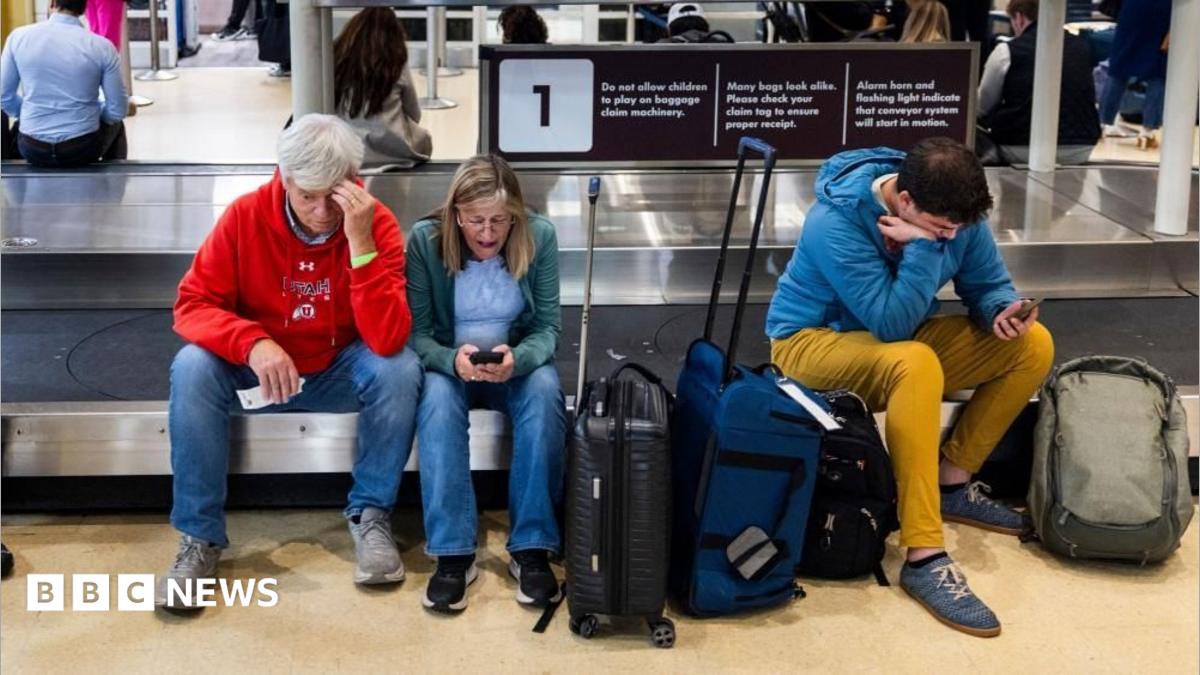
On Friday, the Federal Aviation Administration (FAA) initiated a rare and widespread ground stop that halted all air traffic within the United States. This measure, unprecedented in its scale since the aftermath of September 11, 2001, effectively brought the American skies to a standstill. As flights were diverted or kept at their gates, the logistical fallout spread globally. International hubs from London to Sydney reported disruptions, as US-bound flights from 42 Eurocontrol member states were immediately suspended. While officials, including Homeland Security Secretary Markwayne Mullin, confirmed that the public remained safe throughout the event, the chaos for stranded passengers was immense. The situation remained fluid for hours, with many travelers left without clear information about their onward journeys or basic accommodation needs.
Root Cause & Deep Dive Analysis (Why Did This Happen?)
The catalyst for this failure was not a cyber-attack, nor was it related to the recent global technology outages. Instead, US Transportation Secretary Sean Duffy pointed to a systemic collapse caused by an aging infrastructure. The air traffic control system is essentially running on legacy analogue telecommunications, which failed under the pressure of data overload. Attempts to integrate modern technology into these antique switches and routers backfired, leading to a complete saturation of the network. This highlights a chronic issue within aviation, where digital demands far outpace the capacity of existing hardware. The reliance on failing tech creates a high-stakes environment where a singular communication bottleneck can paralyze an entire nation’s travel sector.
Strategic Implications & Future Impact (What Does This Mean Globally?)
The incident serves as a wake-up call for nations heavily reliant on aging transport corridors. The estimated 50-billion-dollar modernization bill, while staggering, is viewed by industry experts as an essential investment rather than a discretionary expense. Geopolitically, the stability of these systems is tied to economic continuity and the ability to maintain the flow of goods and people. If core infrastructure continues to degrade, the global aviation network risks becoming increasingly susceptible to recurring failures that could have long-term consequences for international trade and diplomatic movement. As the industry faces these challenges, policymakers must decide how to balance fiscal austerity with the immediate need to upgrade critical systems before they suffer irreparable breakage.
Conclusion & What to Watch Next
As the aviation sector moves toward recovery, the focus now shifts to legislative action regarding the FAA’s budget and technical roadmap. While the immediate chaos has subsided, the underlying problems of the US ground stop are far from solved. Travelers should monitor their rights, keep receipts for out-of-pocket expenses, and remain aware that systemic ripple effects may continue to occur until a long-term modernization strategy is successfully implemented. The aviation world will be watching closely to see if the proposed overhaul is treated as a priority in upcoming legislative sessions.