
Bihar: Gandak Remains Above Highest Flood Level At Several Locations, IAF Help Sought
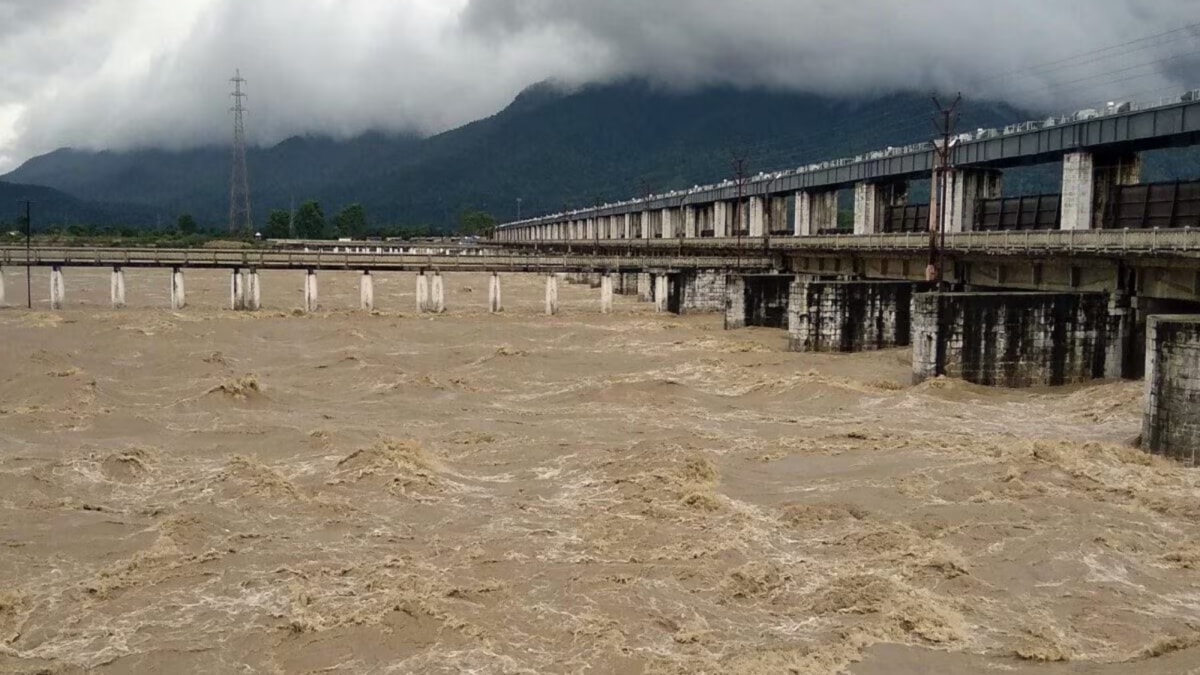
The state of Bihar is currently grappling with a severe environmental emergency as the Gandak river remains dangerously perched above its highest recorded flood levels. This critical situation, triggered by torrential rainfall across neighboring Nepal and Uttar Pradesh, has placed unprecedented stress on local infrastructure and vulnerable embankments. As regional authorities work tirelessly to mitigate the fallout, the urgency of the Bihar flood crisis has prompted the state government to seek urgent aerial intervention from the Indian Air Force to reach isolated communities.
Chief Minister Samrat Choudhary conducted a high-level inspection of the rising Ganga water levels in Patna this week, ordering officials to maintain round-the-clock vigilance. The combination of backflow pressure from the swelling Ganga and the persistent hydraulic weight of the Gandak has created a complex hydrologic threat. For residents in low-lying districts, the waiting game is a harrowing test of endurance. According to official geographic records, the river systems in this region remain the primary lifeline and, at times, the greatest threat to local stability.
Understanding the Impact of the Bihar Flood Crisis
The severity of the current situation is underscored by data from the Water Resources Department. At Dumariaghat in Gopalganj, the river surpassed its all-time high flood level for a continuous 36-hour window, illustrating the sheer volume of water cascading through the basin. Similar conditions have been reported at Revaghat and Lalganj. The physical pressure on the land has already manifested in structural failures, with breaches reported in the right embankment in the Panapur block of Saran and the Tirhut Main Embankment in Muzaffarpur.
While the immediate focus remains on containment, the human element of this disaster is profound. The state has mobilized extensive relief efforts, as the ongoing monitoring of critical infrastructure becomes a priority for local authorities. Teams are now packaging essential dry rations, including flattened rice, sattu, and life-saving ORS packets, to be deployed via helicopter to those currently cut off by the rising tides.
The Path Forward for Affected Districts
Despite the Gandak showing signs of a slow recession, officials warn that the hydraulic pressure will continue to test the structural integrity of regional defenses for at least another 48 hours. The state’s response, which includes the deployment of two specialized helicopters for air-dropping supplies, aims to ensure that no citizen is left without support during this taxing period. This global authority on disaster risk reduction often highlights that rapid mobilization is the key to minimizing casualties in riverine flood events.
The current volatility extends beyond just the Gandak. Other vital waterways, including the Bagmati, Burhi Gandak, and Ghagra, are also exhibiting rising trends at various monitoring stations. For the people of Bihar, this monsoon season has been paradoxical. While the state has technically recorded 32 percent less rainfall than the historical average, the specific intensity of precipitation in the catchment areas has resulted in record-breaking water levels in the Ganga, Gandak, and Sone rivers. The administration maintains that they are fully prepared to handle the crisis as it unfolds.
As the regional government continues to coordinate with central forces, the priority remains the preservation of life and the prevention of further embankment failure. The resilience of the local community, combined with state-level disaster management strategies, will be instrumental in navigating the next few days of uncertainty as the water slowly begins to find its way back to normalcy.