
Chhath Puja Rush: Railways To Run Over Two Dozen Special Trains From Delhi
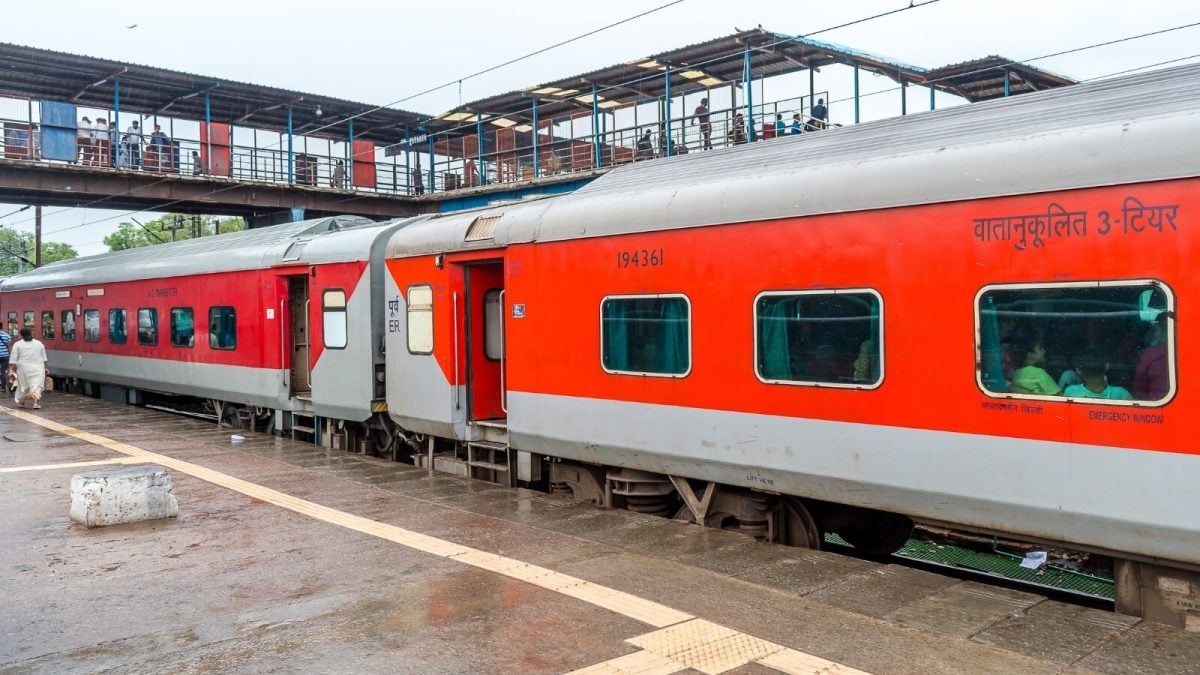
Introduction & Key Takeaways
The annual surge of travelers departing Delhi for the Chhath Puja festival has prompted a massive logistics mobilization. As millions of citizens prepare to return home to celebrate with their families, Northern Railway has ramped up its operations to unprecedented levels. This article examines the Chhath Puja special trains strategy, the logistical hurdles, and the broader socioeconomic significance of this mass migration.
- Over 6,200 special train services have been scheduled throughout the combined Dussehra, Diwali, and Chhath season.
- Northern Railway is deploying a dynamic ‘Trains on Demand’ model to tackle localized overcrowding.
- Strategic additions, including extra coaches on 25 regular services, aim to optimize existing capacity for the holiday rush.
Background & Context (What Just Happened?)
Chhath Puja remains one of the most significant cultural events in Northern and Eastern India, primarily celebrated by people from Bihar and Jharkhand. Every year, the national capital, Delhi, experiences a massive outward migration of laborers, students, and professionals seeking to participate in these rites. With the demand for tickets consistently outstripping supply, railway authorities have transformed their operational framework to accommodate the crush. As stated by Himanshu Shekhar Upadhyay, the Northern Railway Chief Public Relations Officer, the zone managed to run 31 special trains on a single day, with plans for at least 29 more to follow the next day to ensure passenger flow.
Root Cause & Deep Dive Analysis (Why Did This Happen?)
The core issue driving these logistics is the sheer scale of the population density in transit corridors. While many urban dwellers in Delhi contribute to the city’s economic engine, their emotional and spiritual roots remain anchored in their ancestral homes. This creates a predictable, yet intense, seasonal spike in passenger volume that standard train schedules cannot absorb. Beyond simple capacity, the government is also managing air quality concerns, as seen in recent reports on the Delhi-NCR pollution crisis. Managing these mass movements safely while the city battles severe smog levels requires coordination between regional transport and municipal health departments.
Strategic Implications & Future Impact (What Does This Mean Globally?)
The successful management of the Chhath Puja special trains highlights the importance of adaptive infrastructure. The implementation of the ‘Trains on Demand’ system serves as a template for other global transport networks facing periodic surges. By linking ticketing data directly to supply, the railways are moving toward a more responsive, data-driven operational model. This is critical not only for public convenience but for ensuring the stability of national transport arteries. If successful, such models provide a roadmap for handling similar migration patterns in other developing nations where internal labor mobility is essential to the economy. As authorities continue to monitor the air quality metrics alongside these travel plans, the pressure to maintain fluid movement while protecting public health remains a delicate balancing act for administration officials.
Conclusion & What to Watch Next
As the festive season reaches its peak, the focus shifts toward the efficient operation of these high-frequency corridors. Passengers are advised to remain updated via official railway portals, as the ‘Trains on Demand’ system allows for rapid adjustments that may not reflect on traditional printed schedules. The coming weeks will reveal if these interventions sufficiently reduced the strain on major hubs like the New Delhi Railway Station. Moving forward, observers should watch how these logistical lessons might influence long-term upgrades to the country’s rail infrastructure, particularly on high-traffic routes leading to Bihar and Eastern Uttar Pradesh.