
‘800% Jump In PM2.5 Pollution, Heavy Metal Aerosols In Air’: Here’s What You Breathe On Diwali Night
Introduction and Key Takeaways
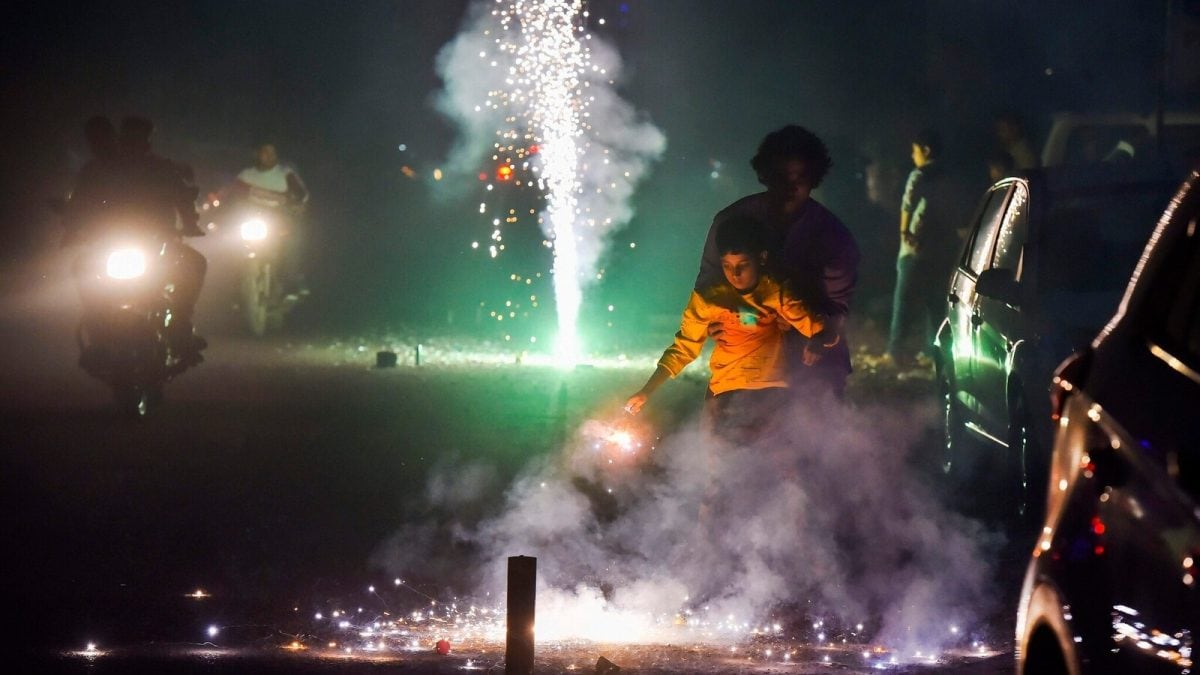
Each year, as the festival of lights illuminates the Indian subcontinent, a darker reality emerges in the atmosphere. Recent environmental data confirms that PM2.5 pollution levels experience an astronomical jump of up to 800 percent on the night of the festivities. While public discourse often focuses on seasonal agricultural burning, the immediate, localized toxicity spike is unequivocally linked to the mass ignition of pyrotechnics. This article explores why these celebratory materials transform our air into a hazardous chemical cocktail and what that means for public health.
- Toxic Surge: PM2.5 concentrations routinely exceed safe limits by fifteen times during peak hours.
- Chemical Reality: The vibrant colors of fireworks are derived from heavy metals like barium, strontium, and copper, which are aerosolized upon combustion.
- Meteorological Trap: Early winter conditions, specifically surface-level temperature inversions, prevent these particles from dispersing.
- Public Health Vulnerability: Elderly citizens and children remain the most at-risk groups for respiratory distress during these events.
Background and Context: What Just Happened?
During the most recent festive cycle, atmospheric monitoring networks captured a staggering degradation in air quality. As millions of individual firecrackers, rockets, and sparklers were ignited, the resulting chemical composition of the air shifted dramatically. For a deeper understanding of how public order and safety are maintained during mass events, one can review the investigative protocols employed in other global urban centers after similar security or safety incidents occur.
The transition from a standard autumn evening to a toxic environment happens in a matter of hours. Between 10 PM and 1 AM, urban hot spots frequently see fine particulate matter (PM2.5) levels climb from manageable baselines to between 800 and 1,000 micrograms per cubic meter. This event is not merely a smoke issue, but a deliberate release of heavy metal aerosols into the breathing zone.
Root Cause and Deep Dive Analysis
The core of the issue lies in the chemistry of pyrotechnics. To achieve the brilliant aesthetics that characterize the holiday, manufacturers rely on inorganic salts and heavy metals. Strontium is utilized for deep reds, barium for intense greens, and copper for shades of blue. When these compounds are burned, they do not simply vanish into the ether, but are reduced to microscopic particles that are easily inhaled.
Scientific atmospheric research confirms that these metallic particles exhibit high oxidative potential. Once these aerosols enter the lung alveoli and the bloodstream, they trigger immediate inflammation. Beyond the physical properties, the timing is critical. Early November in northern India is synonymous with dropping temperatures and high humidity. These factors, combined with stagnant winds, create an inversion layer. Essentially, the atmosphere acts as a lid, sealing the toxic metallic particulates near the surface where populations live and breathe.
Strategic Implications and Future Impact
The recurring nature of this PM2.5 pollution surge presents a significant challenge for urban planning and public health policy. As cities expand, the density of human exposure increases, meaning that even a slight percentage increase in firecracker usage has compounding negative effects on respiratory healthcare systems. The economic burden of treating acute respiratory distress, asthma attacks, and secondary skin or eye allergies represents a hidden tax on the festive season. If municipalities continue to allow unchecked mass combustion, the cumulative health impact may necessitate more stringent, long-term regulatory frameworks that go beyond current, temporary restrictions.
Conclusion and What to Watch Next
As we move past the immediate aftermath of the festival, the focus must shift to sustained air quality management. It is clear that while stubble burning contributes to the regional background pollution, the violent, short-term spikes in toxic substances are undeniably the result of human-led combustion. Public awareness regarding the chemical makeup of fireworks is essential. Moving forward, observers should monitor whether local governments implement more robust, science-based bans or if they continue to rely on inconsistent enforcement of existing policies. The health of the population in these urban hubs depends on bridging the gap between traditional celebration and modern scientific realities.