
‘Kuchh Kaam Nahi Kar Raha’: Video Captures Horror Before Sairang Express Derailed In Assam
Introduction & Key Takeaways
The recent Sairang Express derailment near Guwahati, Assam, has brought renewed scrutiny to the critical state of railway infrastructure and maintenance protocols within the region. On the morning of November 11, 2026, the train travelling toward Kolkata experienced a failure that resulted in multiple coaches leaving the tracks. This Sairang Express derailment highlights the urgent need for enhanced mechanical oversight and real-time safety monitoring systems.
- The incident occurred at the Digaru railway station due to a reported failure in the locomotive and rake braking systems.
- No fatalities were reported, although several passengers sustained minor injuries.
- The incident is currently under rigorous investigation to determine whether the mechanical failure was preventable.
Background & Context
The Sairang Express serves as a vital lifeline for connectivity across Northeast India, linking states such as Mizoram, Manipur, and Tripura to the major hubs in West Bengal. The train was traversing the Kamrup district when the event unfolded at approximately 6:54 AM. Historically, the Indian railway network has been undergoing significant modernization, yet events like this indicate persistent challenges in legacy infrastructure management.
Following the accident, emergency services were mobilized to assist passengers. Assam Chief Minister Himanta Biswa Sarma confirmed that all individuals were safe, with prompt medical attention provided to those who were injured. This event echoes previous concerns regarding global transport safety, reinforcing the public demand for rigorous safety audits.
Root Cause & Deep Dive Analysis
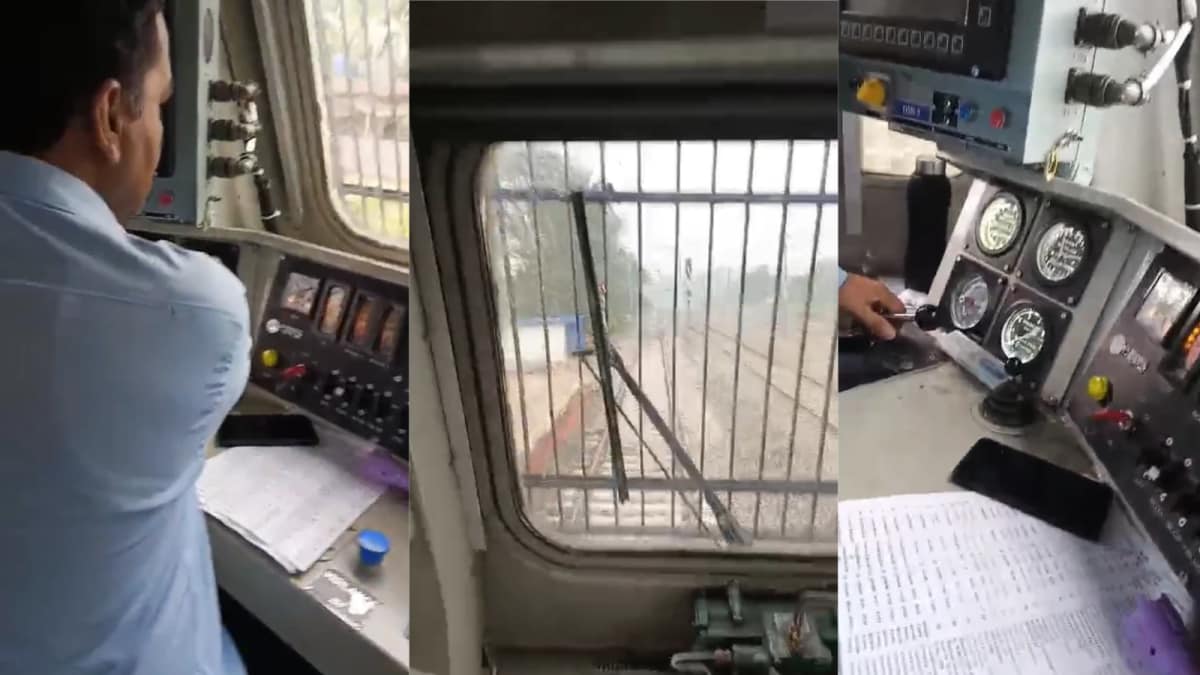
Central to the investigation is exclusive video footage obtained by CNN-News18, which documents the moments preceding the derailment. In this harrowing recording, the loco pilot is observed struggling with the controls as the train enters the station. A voice is audible stating, “Kuchh kaam nahi kar raha hai,” which translates to “Nothing is working.”
The technical core of the issue involves the SA9 (independent locomotive brake) and the A9 (automatic train brake) systems. When these primary and secondary systems fail simultaneously, the loco pilot loses the ability to manage the momentum of the heavy rake, especially during deceleration maneuvers at stations. Such a breakdown suggests a catastrophic mechanical malfunction, pointing towards a possible lack of pre-departure diagnostic verification.
Strategic Implications & Future Impact
The Sairang Express derailment holds significant strategic implications for the Indian Railways network. Given the importance of the Northeast frontier to India’s national security and economic integration, any disruption in rail service is felt intensely. Ensuring that braking mechanisms receive consistent, high-level maintenance is no longer just a regulatory requirement, but a strategic necessity for regional stability.
Furthermore, as the government continues to focus on large-scale infrastructure projects, the lessons learned here must be integrated into future safety policies. The focus must shift toward predictive maintenance using automated sensors that could alert staff long before a manual brake system fails in the field. This incident may also lead to broader discussions about human-machine interface safety during emergency scenarios, potentially changing how pilots are trained to handle total brake failure.
This event also brings to mind the ongoing challenges with infrastructure security in various contexts, including recent reports on security vulnerabilities, highlighting the importance of constant vigilance in public systems.
Conclusion & What to Watch Next
As the probe into the Sairang Express derailment continues, stakeholders and the general public should watch for the official inquiry report. Key focus areas will include the maintenance logs of the involved locomotive and the audit reports of the brake systems. Improved oversight and the adoption of modern safety technologies are essential to prevent future accidents and to restore passenger confidence in the rail network of Northeast India.