
Delhi-NCR Continues To Choke Under Toxic Air As Air Quality Remains ‘Very Poor’
Introduction & Key Takeaways
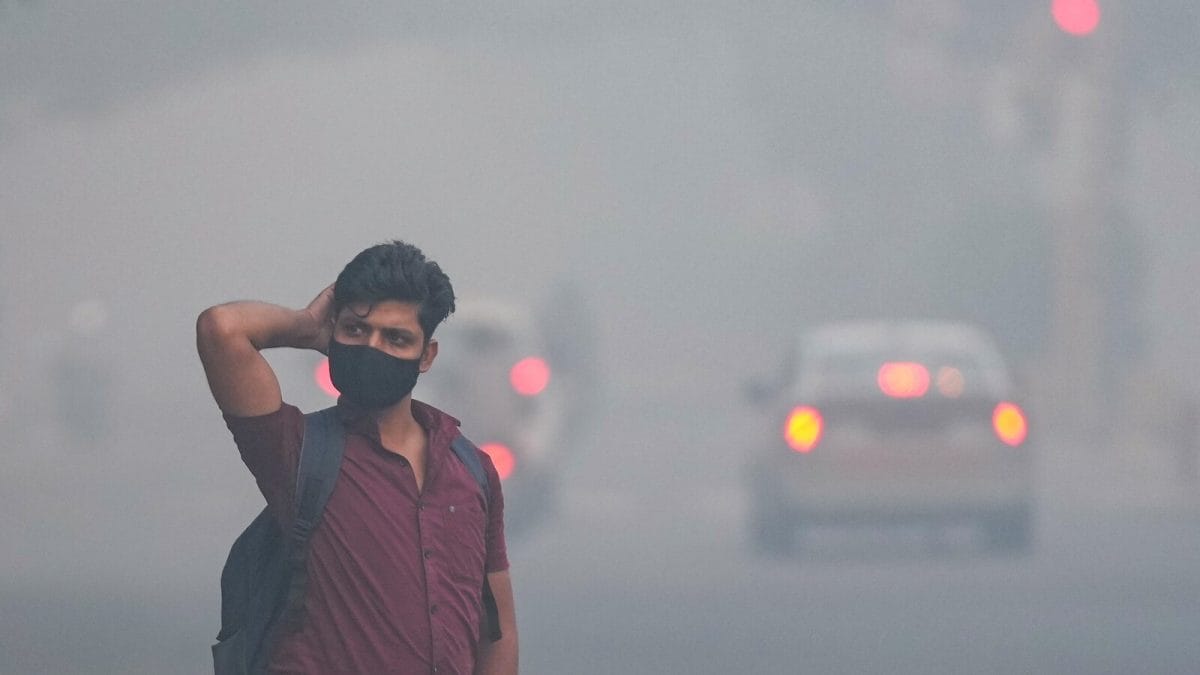
Delhi-NCR continues to grapple with a severe environmental challenge as residents wake up to worsening Delhi AQI levels, signaling a return to the winter smog crisis. The Air Quality Index has plummeted into the ‘very poor’ category across multiple monitoring stations, creating significant public health risks. Key takeaways from this ongoing atmospheric crisis include:
- Multiple locations, such as IIT Delhi and Anand Vihar, have recorded hazardous AQI levels exceeding 300.
- The combination of post-Diwali residue and seasonal agricultural burning in neighboring states has created a perfect storm for particulate matter accumulation.
- Meteorological conditions, specifically the absence of rain and stagnant wind speeds, are preventing the dispersal of pollutants.
- Experts warn that without a significant shift in weather patterns, this toxic haze is likely to persist through mid-November.
Background & Context (What Just Happened?)
As of mid-November 2026, the national capital region has descended once again into a cycle of hazardous air quality. The Delhi AQI has become a focal point of public discourse as citizens report limited visibility and increased respiratory distress. Data from the Central Pollution Control Board (CPCB) indicates that the situation is far from temporary. Monitoring stations have consistently reported readings in the 300 range, while other areas are struggling to maintain even moderate air quality. This annual phenomenon is not merely an inconvenience but a profound public health emergency that mirrors historical trends of winter pollution.
Root Cause & Deep Dive Analysis (Why Did This Happen?)
The current spike in pollution is a multi-faceted issue driven by geography, human activity, and meteorological stagnation. The primary culprit remains the seasonal practice of stubble burning in neighboring states like Punjab, Haryana, and Uttar Pradesh. This agricultural practice, while traditional, releases massive quantities of particulate matter into the atmosphere. When combined with the post-Diwali haze caused by residual firecracker emissions, the air becomes saturated with toxic aerosols. Furthermore, the topography of the Indo-Gangetic plain acts as a trap, preventing these pollutants from dissipating during the cooler months.
Strategic Implications & Future Impact (What Does This Mean Globally?)
The persistent failure to manage air quality has significant geopolitical and economic consequences. Domestically, political leaders face mounting pressure to resolve the crisis, which often leads to volatile debates between regional administrations. Similar to how local governance issues influence national sentiment, as seen in the shifting narratives around the 2026 Midterms, the inability to provide clean air impacts public trust. On a broader scale, India faces scrutiny regarding its commitment to climate goals. The Delhi AQI serves as a barometer for the nation’s ability to implement large-scale sustainable reforms in agriculture and urban planning.
Conclusion & What to Watch Next
Looking ahead, the India Meteorological Department has confirmed that no relief through precipitation is expected until at least November 15. The lack of an incoming western disturbance means that the atmosphere will likely remain stagnant. Residents are advised to limit outdoor activity and utilize air purification measures. Observers should monitor whether the government introduces further emergency restrictions under the Graded Response Action Plan (GRAP) to mitigate the damage. The path forward requires more than temporary bans, necessitating a long-term overhaul of agricultural practices and urban transit systems to ensure the safety of millions.