
Deadly sand cliff collapses on displaced families in Gaza
Introduction & Key Takeaways
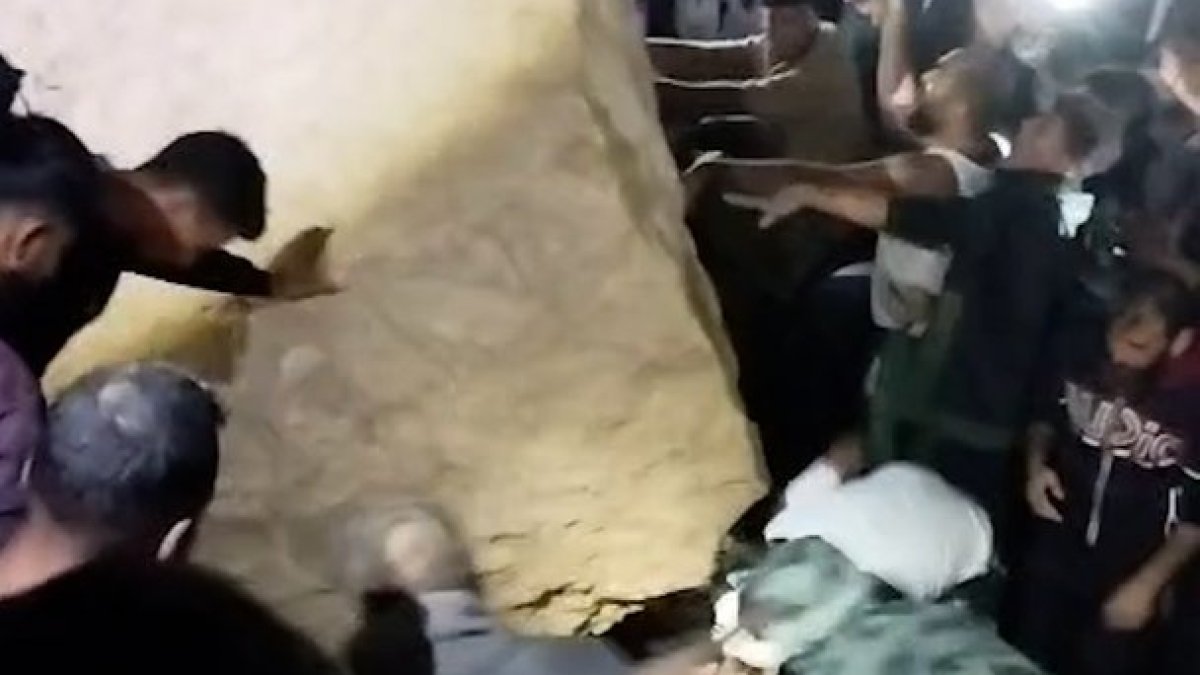
In a harrowing reminder of the precarious conditions facing millions in conflict zones, a Gaza cliff collapse has claimed the lives of at least five civilians, including several children. The incident occurred when a sand embankment, weakened by environmental factors and structural instability, gave way onto a makeshift camp housing displaced families. This tragedy underscores the desperate reality for those living in temporary settlements, where safety is often secondary to the basic need for shelter. Key takeaways from this event include:
- At least five people died after a massive sand embankment buried their tents.
- The incident highlights the urgent lack of safe, permanent infrastructure for displaced populations.
- Environmental vulnerabilities in overcrowded camps represent a neglected aspect of the humanitarian crisis.
- International aid organizations have reiterated the need for immediate, improved living conditions for refugees.
Background & Context (What Just Happened?)
For months, the United Nations and various humanitarian agencies have warned of the deteriorating state of temporary shelters in the Gaza Strip. The area, heavily populated by families forced from their homes due to the ongoing regional conflict, has become a patchwork of tents and flimsy structures. On November 8, 2026, a sudden collapse of a sand cliff, adjacent to an informal settlement, trapped residents during what should have been a period of relative quiet. The instability of the terrain, combined with the lack of proper engineering oversight in these emergency encampments, created a death trap. Local rescue teams were deployed to recover bodies, but the scale of the debris made the operation difficult and dangerous for first responders.
Root Cause & Deep Dive Analysis (Why Did This Happen?)
The tragedy is not merely an act of nature, but a confluence of geographic, humanitarian, and political factors. Gaza is characterized by soft, sandy soil structures that are prone to erosion. When large numbers of displaced people are forced into marginal areas, they are often compelled to set up camps in high-risk zones, such as the base of unstable cliffs or flood-prone depressions. This leads to a systematic failure in safety protocols. As noted in other crises, such as the Nepal’s fight to rebuild after flood disaster, infrastructure resilience is crucial to protecting the vulnerable. In this case, the lack of site assessment and urban planning within the makeshift camps meant that families were unknowingly living beneath a ticking time bomb. The inability to move to safer ground stems from the severe density of the population and the restrictions on movement within the territory.
Strategic Implications & Future Impact (What Does This Mean Globally?)
The Gaza cliff collapse serves as a grim case study for global humanitarian strategists. It emphasizes that the death toll in active conflict zones is not strictly limited to direct combat. Indirect fatalities, resulting from unstable housing, poor sanitation, and environmental hazards, often go under-reported. The incident demands a re-evaluation of how international aid is deployed. It is not enough to provide tents if the land on which those tents are placed is inherently hazardous. Furthermore, this event adds another layer to the complex political negotiations surrounding the territory. It forces policymakers to consider the long-term sustainability of the current shelter crisis, where even the temporary relief offered is fundamentally unsafe. Whether the incident influences international pressure for more secure, permanent evacuation zones remains to be seen, but the pressure on humanitarian organizations to verify the safety of land usage has reached a critical breaking point.
Conclusion & What to Watch Next
As the international community grapples with the aftermath, the priority remains the stabilization of existing camps and the relocation of families in high-risk zones. The Gaza cliff collapse is a stark indicator of what happens when a humanitarian crisis is prolonged without adequate infrastructure support. Moving forward, observers must watch for changes in camp management protocols. If oversight is not improved, the risk of further natural or structural disasters in these densely packed areas remains high. The tragedy reminds us that, behind every statistic, there are lives irrevocably changed by the failure of safe shelter, a fundamental human right that remains elusive for thousands in this region.