
Delhi Chokes On Thick Smog Day After Diwali, AQI Crosses 400 As Pollution Hits ‘Severe’ Level
Introduction & Key Takeaways
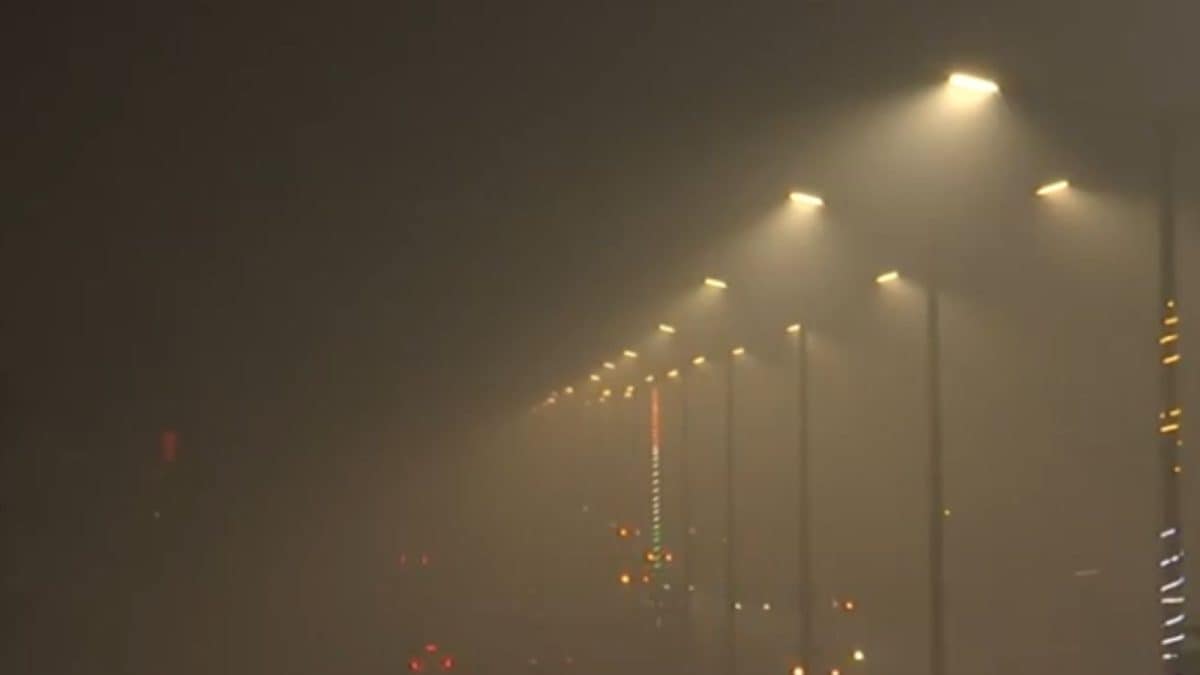
As the curtains closed on the festival of lights, the national capital faced a grim reality. Delhi AQI levels surged past the 400 mark on November 9, 2026, officially plunging the city into the ‘Severe’ category. This annual cycle of post-celebratory smog has once again ignited intense public and political debate, highlighting the fragility of urban air quality management.
- The Air Quality Index (AQI) reached 406 at the ITO monitoring station in the early hours of Monday.
- Major pollution contributors include vehicular emissions, stubble burning, and secondary particulate matter from firecracker smoke.
- The administration has enforced Stage III of the Graded Response Action Plan (GRAP) to mitigate health risks.
- Meteorological conditions, such as low wind speeds, are currently preventing the dispersal of toxic pollutants.
Background & Context (What Just Happened?)
Following the festivities of Diwali, a dense, hazardous blanket of smog descended upon Delhi. Visibility plummeted across the metropolitan region, particularly in neighborhoods like Inderlok and South Extension. The data provided by the Central Pollution Control Board (CPCB) paints a troubling picture, with several stations recording readings well into the ‘Very Poor’ and ‘Severe’ tiers. While pollution remains a constant year-round struggle, the immediate spike observed following the festival suggests that local festivities, combined with seasonal atmospheric shifts, create a localized crisis that necessitates immediate intervention. For those interested in the broader context of urban hazards, you may look at detailed insights on particulate matter during festive seasons.
Root Cause & Deep Dive Analysis (Why Did This Happen?)
The persistence of high Delhi AQI numbers is rarely the result of a single factor. Instead, it is a complex intersection of geography, seasonal timing, and human activity. Current data indicates that vehicular traffic contributes roughly 19 percent to the total pollution load, while agricultural crop residue burning in neighboring states accounts for a smaller but significant 3.5 percent. However, the most critical element remains the weather. As temperatures drop and wind speeds minimize during the post-monsoon period, the city acts like a giant cauldron, trapping fine PM2.5 particles near the ground. This, combined with the spike in localized emissions from late-night firecracker activity, creates a compounding effect that overwhelms standard control mechanisms. For a deeper look at recent community challenges, read about the broader environmental and urban planning debates occurring in other regions.
Strategic Implications & Future Impact (What Does This Mean Globally?)
The economic and public health costs of prolonged exposure to severe air pollution are substantial. Beyond the immediate strain on the medical infrastructure, the Delhi AQI situation has systemic implications for India’s global standing in sustainable development. International investors and health organizations frequently cite air quality as a primary indicator of liveability and governance efficiency. The failure to maintain air quality during peak winter months can lead to a decline in productivity and long-term health burdens that affect the workforce. Furthermore, the political finger-pointing between state and central governments hinders the implementation of unified, long-term technical solutions. Moving forward, the focus must shift from reactive GRAP stages to aggressive, year-round decarbonization of the transport sector and sustainable agricultural incentives.
Conclusion & What to Watch Next
As the Air Quality Early Warning System predicts that these severe conditions could persist for several days, citizens are advised to limit outdoor exposure, especially children and the elderly. The efficacy of the current Stage III restrictions will be tested in the coming week. Observers should keep a close watch on meteorological forecasts, as any change in wind speed or direction could offer temporary relief. True, sustainable change will only arrive when policies transition from temporary lockdowns to permanent structural shifts in energy consumption and waste management across the entire National Capital Region.