
Four killed, 88 injured in train collision in Egypt
Introduction and Key Takeaways
A tragic rail disaster has struck the El-Ayyat district of Giza, resulting in at least four deaths and leaving 88 individuals injured. This incident, while local in its immediate impact, reignites a critical conversation regarding the systemic fragility of infrastructure in Egypt. The Egyptian railway network, one of the oldest in the world, continues to grapple with modernization efforts, maintenance backlogs, and the immense pressure of a growing population. Understanding this Egypt train collision requires a look beyond the headlines into the socioeconomic fabric of transport safety.
- Initial reports confirm four fatalities and 88 injuries following a two-train derailment.
- The El-Ayyat region has a history of rail incidents, raising questions about infrastructure investment.
- Emergency response teams were immediately deployed to manage the casualty count and site clearance.
- Global transport analysts are calling for comprehensive modernization of aging signal and track systems.
Background and Context: What Just Happened?
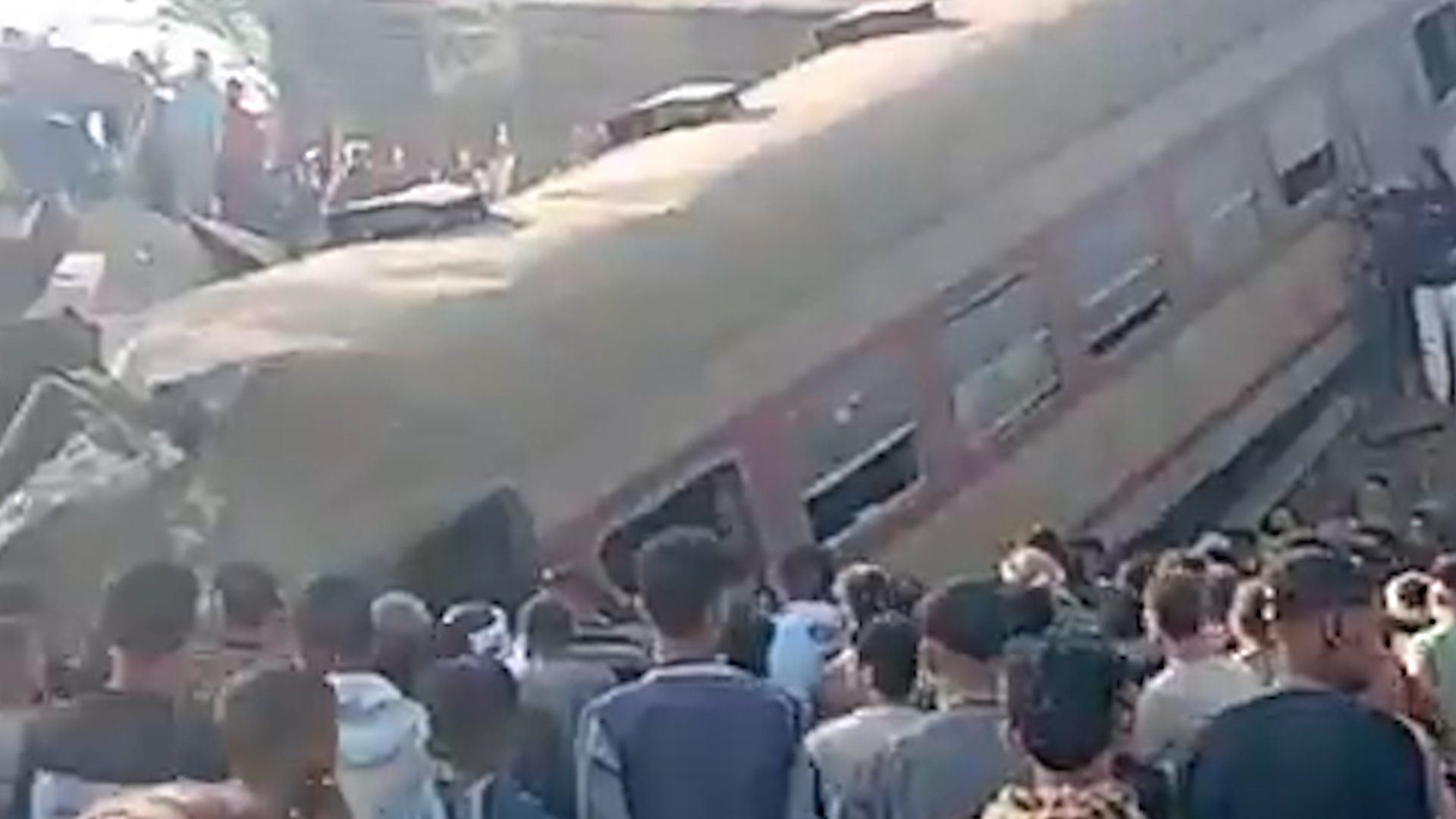
On November 8, 2026, the quiet of the El-Ayyat district in Giza was shattered when two passenger trains collided, leading to significant structural damage and derailment. Local authorities, led by the Ministry of Health, initiated an emergency response plan to extract survivors from the wreckage. While rail accidents are unfortunately not entirely new to this region, the scale of this event has drawn immediate scrutiny. The district, which serves as a vital transit corridor, has witnessed several incidents over the decades, leading residents to demand more rigorous safety oversight. While authorities are currently focused on patient care and clearing the tracks, the looming question for the public remains: how could this happen in a system that has been undergoing various renovation phases?
Root Cause and Deep Dive Analysis
To understand why this tragedy occurred, we must examine the intersection of legacy infrastructure and modern demands. The Egyptian rail network was largely established in the 19th century, making it a pioneer in the region. However, keeping this infrastructure operational in the 21st century presents a monumental engineering challenge. Many corridors rely on signal systems that date back several decades. Despite government attempts to invest in new rolling stock and track upgrades, human error, combined with equipment failure, remains a persistent threat to passenger safety. Sometimes, similar crises extend to other sectors as well, such as the environmental and health challenges that cities face during major industrial disruptions. The complexity of managing these systems in high-density areas means that even minor technical glitches can escalate into life-altering catastrophes.
Strategic Implications and Future Impact
The strategic implications of this collision are multifaceted. For the Egyptian government, ensuring safe transit is not just a matter of public service, but a matter of national stability. Persistent failures in public transport can erode trust in government institutions, especially when infrastructure projects represent a significant portion of national spending. Internationally, this incident serves as a stark reminder for developing nations that rapid expansion without parallel investment in maintenance is unsustainable. Economic growth is tightly linked to mobility. If the transport network becomes perceived as dangerous, it can hamper regional trade, tourism, and daily productivity. As the administration looks toward the future, the pressure to accelerate the transition to automated signaling and digital traffic management systems will likely increase.
Conclusion and What to Watch Next
As the recovery efforts in El-Ayyat conclude, the focus must shift to accountability and institutional reform. The state has an obligation to provide a transparent investigation into the causes of this specific collision. Beyond the immediate inquiry, observers should monitor whether this event triggers a renewed budget allocation for rail safety or if it leads to a broader rethink of Egypt transport policy. The coming months will be decisive for the Ministry of Transport as they strive to balance the necessity of rapid infrastructure rollout with the non-negotiable requirement of safety. We must ensure that the lessons learned from this disaster lead to tangible improvements in the daily lives of those who rely on these trains to move throughout the country.