
‘Cyclone Arnab’ Has Taken Social Media By Storm, And Yet It Does Not Even Exist: Here’s Why
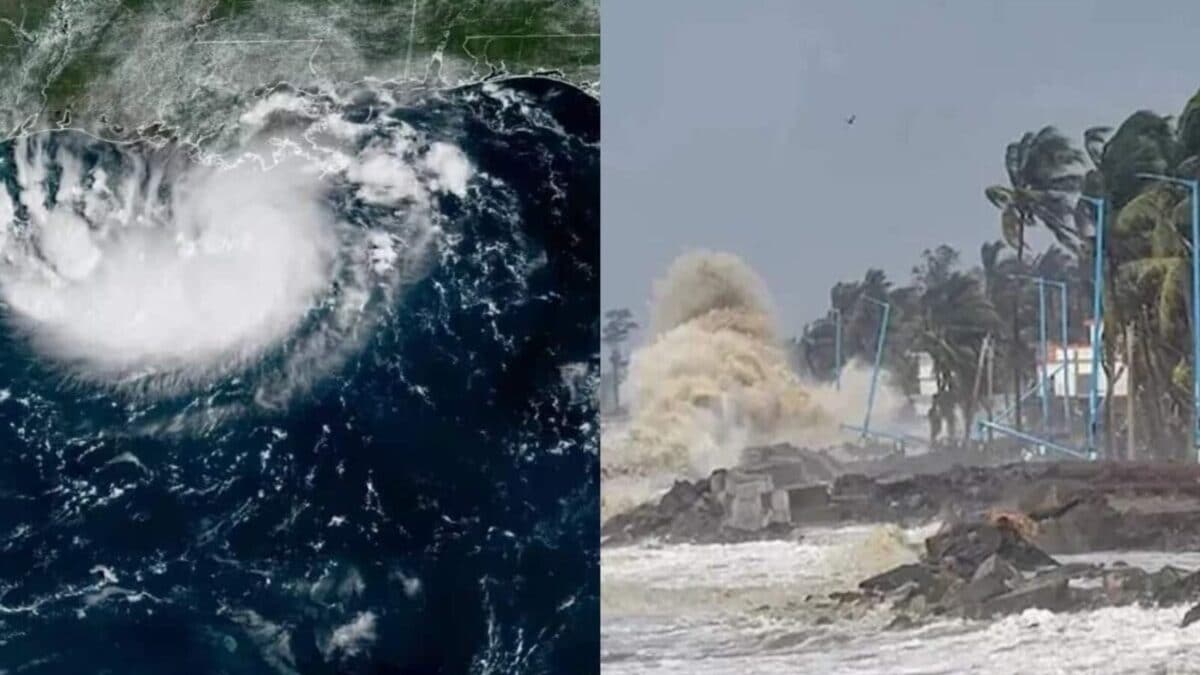
In recent days, social media platforms and digital news feeds have been flooded with alarming reports regarding the arrival of ‘Cyclone Arnab’ on India’s eastern coastline. As residents in Odisha, West Bengal, and Andhra Pradesh prepare for what many believe to be a major storm event, a curious reality has emerged: Cyclone Arnab does not actually exist. While the panic is widespread, meteorological data suggests a much different story than what is currently trending online.
According to the India Meteorological Department (IMD), the weather system currently battering the region has not met the strict scientific criteria required to earn the status of a cyclonic storm. Instead, it is being officially categorized as a ‘Deep Depression.’ This distinction is not merely semantic; it is a vital metric that differentiates between routine atmospheric instability and a full-scale tropical disaster.
Understanding the Classification: Why Cyclone Arnab Isn’t a Cyclone
To understand why the system has not been granted a name, one must look at the rigorous wind speed thresholds maintained by the World Meteorological Organization. The IMD classifies these low-pressure systems based on sustained wind speeds and atmospheric pressure, usually visualized through isobars:
- Depression: Winds ranging between 31 and 50 km/h with two closed isobars.
- Deep Depression: Winds between 52 and 61 km/h with three closed isobars.
- Cyclonic Storm: Winds exceeding 63 km/h with four or more closed isobars.
Because the current system has failed to cross that pivotal 63 km/h barrier, meteorologists cannot, by international protocol, label it a cyclone. Consequently, while the digital world remains fixated on a name, the physical reality is that we are witnessing a system that lacks the sustained intensity of a true cyclone. This serves as a stark reminder of how misinformation can spread, often overshadowing official weather warnings that emphasize actual wind and rain patterns over catchy, viral labels.
Where Did the Name Come From?
If the storm isn’t a cyclone, why is it being called Cyclone Arnab? The confusion stems from the regional tropical cyclone master list, which is maintained by the WMO/ESCAP panel. This list includes names contributed by 13 member nations, including India, Bangladesh, Pakistan, and the Maldives.
‘Arnab,’ which aptly means ‘ocean’ in Bengali, is indeed the next valid name waiting in the queue. It is a pre-assigned moniker held in reserve, waiting for the first weather disturbance of the season to intensify enough to technically qualify. Viral confusion often occurs when social media users anticipate the next name on the list, mistakenly assigning it to any brewing storm that threatens their local regions.
Regardless of the lack of a ‘Cyclone’ title, the current ‘Deep Depression’ remains a significant threat. Authorities continue to issue alerts for heavy rainfall, flooding, and potential infrastructure damage in the impacted states. It remains critical for citizens to monitor official bulletins for safety updates, ensuring that they prioritize evidence-based meteorological reports over unchecked social media discourse during this turbulent weather event.