
Deadly shooting near Paris is a ‘racist terrorist attack’, Macron says
Introduction & Key Takeaways
In a deeply disturbing development, a recent racist terrorist attack near Paris has sent shockwaves through the French Republic. The incident, which unfolded across the suburbs of Trappes and La Verrière, resulted in one fatality and multiple injuries, including a young child. President Emmanuel Macron has formally classified the tragedy as a terrorist act rooted in racial hatred, a categorization that signifies a grim shift in the national security landscape.
Key takeaways regarding the incident include:
- The perpetrator, identified as a 39-year-old male, targeted victims based on perceived migrant background, skin color, and religious identity.
- Official investigations by the National Anti-Terrorist Prosecutor’s Office are examining the use of military-grade, historical weaponry.
- The attack has prompted a massive police deployment and intense debate over public safety in diverse urban communities.
- Social tensions are rising as the government warns against the normalization of extremist ideologies in public spaces.
Background & Context (What Just Happened?)
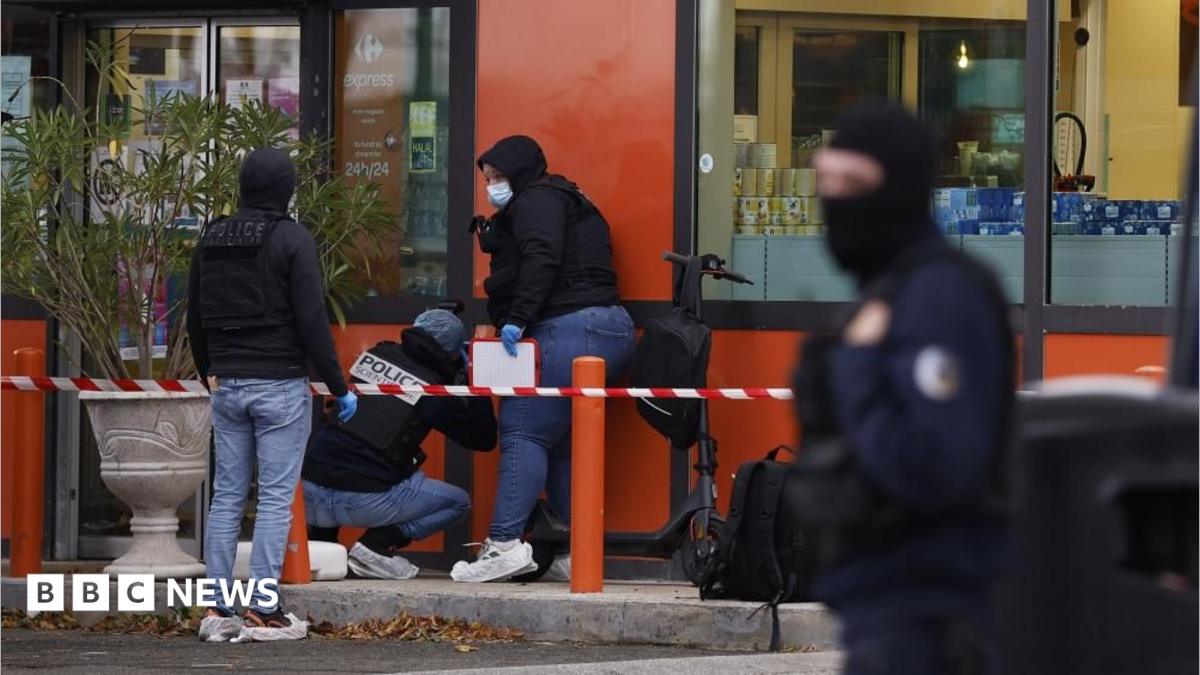
On a quiet Friday morning, the serenity of Trappes was shattered by a mobile gunman driving a grey Renault Clio. For approximately 15 minutes, the assailant moved through neighborhoods, firing indiscriminately from his vehicle. Witnesses and local officials reported attacks at a petrol station, a medical clinic, and a playground. This methodical movement suggests a premeditated desire to inflict maximum chaos, as confirmed by Mayor Ali Rabeh, who noted the shooter aimed for carnage. While such violence is not entirely unprecedented in the global security context, the specific targeting of people based on racial and religious indicators has prompted the state to treat the matter with the highest level of gravity.
Root Cause & Deep Dive Analysis (Why Did This Happen?)
The motive behind this racist terrorist attack appears to be an escalation of underlying ideological divisions that have been simmering within European society for years. Unlike mass casualty events often linked to geopolitical organizations, this incident involves a domestic actor, identified as Kevin T. Although he was not previously flagged by intelligence agencies as a major threat, his possession of a Category A weapon dating back to World War Two highlights a lethal gap in arms regulation and monitoring. The fact that the perpetrator had prior, albeit expunged, convictions raises critical questions about judicial processes and the monitoring of individuals with records of volatility. Analysts suggest that the influence of fringe, radical ideologies is finding a dangerous conduit among isolated individuals, allowing them to transform personal grievances into acts of public terror.
Strategic Implications & Future Impact (What Does This Mean Globally?)
This event marks a painful inflection point for France. By labeling it a racist terrorist attack, President Macron is signaling to the nation that the Republic will not tolerate the erosion of its foundational values. Globally, this incident mirrors the growing challenge of addressing hate-motivated violence in an era of digital polarization. For policymakers, the implication is clear: law enforcement must evolve beyond tracking organized international groups to also detecting the isolated, ideologically driven actors who operate beneath the radar of traditional security apparatuses. Furthermore, this incident inevitably impacts the integration discourse, forcing leaders to grapple with the protection of minority populations while maintaining social cohesion in an increasingly fractured political climate.
Conclusion & What to Watch Next
As the victims, including a young girl requiring surgery for multiple gunshot wounds, recover from the trauma of this day, the French judicial system faces the monumental task of delivering justice. The ongoing investigation into the weapon source and potential co-conspirators remains a priority. The public must watch for new legislative efforts targeting illegal weapons and potential adjustments to how the government monitors individuals with historical records of violence. The nation is now at a crossroads, forced to balance security surveillance with the freedoms of an open society, all while confronting the shadows of intolerance that threaten to divide the Republic.