
‘Remove Scene Or Face Boycott’: BJP MLA Calls SRK ‘Jihadi’ Over Deepika’s Orange Outfit In ‘King’
Introduction & Key Takeaways
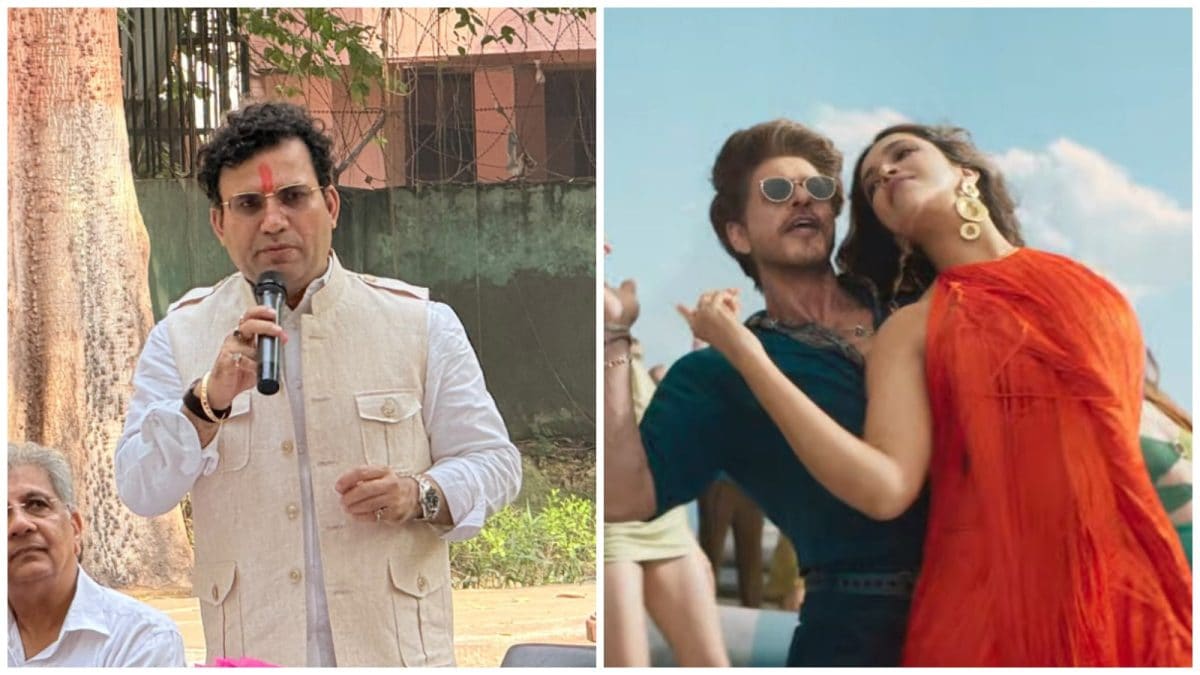
A new controversy has erupted in the Indian film industry, centering on the upcoming production King. Delhi BJP MLA Ravi Negi has issued a stern ultimatum, demanding the removal of a specific scene from a promotional song, Tu Mil Jaaye, which features Deepika Padukone in an orange outfit. This incident highlights the ongoing tension between creative expression in Bollywood and perceived religious sensitivities.
- BJP MLA Ravi Negi has threatened a nationwide boycott of the film King if the scene is not altered.
- The politician has leveled inflammatory rhetoric, labeling Shah Rukh Khan a “Jihadi” in his public criticism.
- This development mirrors previous culture war conflicts, specifically the 2023 Pathaan controversy involving similar attire.
- The discourse reflects broader patterns of political intervention in cultural content, often sparking debates over censorship and freedom of expression.
Background & Context (What Just Happened?)
The latest outcry began following the release of a musical track from the anticipated project, King. In the sequence, Deepika Padukone is depicted dancing alongside Shah Rukh Khan while wearing an orange-colored dress. Ravi Negi, representing the Patparganj constituency, quickly mobilized against the visual choice, framing it as a direct affront to Sanatan Dharma. His statements have gained significant traction, drawing parallels to the 2023 Pathaan film controversy, where saffron-colored swimwear triggered similar widespread protests across various Indian states.
Root Cause & Deep Dive Analysis (Why Did This Happen?)
At the root of this conflict is the shifting terrain of cultural politics in India. Bollywood, as a massive soft-power entity, often finds itself under the microscope of ideological scrutiny. The choice of colors, symbols, or even the religious identity of lead actors can lead to organized political campaigns that challenge the autonomy of filmmakers. By invoking the term “Jihadi” and comparing the situation to unrelated socio-political events, including recent environmental campaigns surrounding Diwali, critics like Negi seek to frame cinematic choices as part of a larger, systemic agenda to undermine traditional values. This reflects a trend where aesthetic decisions in entertainment are increasingly subjected to rigorous, often polarized, ideological audits.
Strategic Implications & Future Impact (What Does This Mean Globally?)
For the Indian entertainment industry, these recurrent disputes create a chilling effect. When political figures demand scene removals under the threat of national boycotts, studios face significant financial risks. With King reportedly securing high-value overseas distribution deals, the economic stakes are immense. Investors and distributors are forced to account for political volatility, which may impact project greenlighting and marketing strategies. Globally, such boycotts diminish the image of India as a hub of free artistic expression, potentially affecting international collaborations and the global reach of Indian cinema.
The Politics of Cultural Consumption
The demand for the removal of the “bhagwa” (saffron) scene is not merely about an article of clothing, but about the control of public symbolism. As noted in recent trends, political actors are increasingly utilizing the “boycott” mechanism to assert influence over mainstream narratives. This strategy forces producers to either conform to external moral standards or risk losing access to their domestic audience base. The reliance on such tactics suggests that the intersection of political ideology and popular culture will remain a permanent fixture in the Indian socio-political landscape.
Conclusion & What to Watch Next
As the scheduled release of King approaches, all eyes will be on whether the production house chooses to engage with these demands or maintain its creative integrity. Will the studio concede to the pressure to ensure a smoother theatrical run, or will they stand by their artistic decisions? Furthermore, observers will be watching to see if this incident serves as a precursor to even more stringent demands on other high-profile films in the pipeline. The outcome of this specific confrontation will likely set a precedent for how future blockbuster movies navigate the delicate balance between creative vision and public outcry. For more insights on current events, readers might also be interested in recent updates on political developments, such as the US midterms 2026, which continue to capture global attention.