
Hoax bomb threats target European airlines and airports for second time in a week
Introduction & Key Takeaways
In a disturbing sequence of events, a coordinated wave of hoax bomb threats has disrupted European air travel for the second time in a single week. At least 21 aircraft across various carriers were targeted, forcing emergency diversions and mid-air escorts by fighter jets. While authorities have confirmed these warnings as malicious hoaxes, the psychological and economic impact on the aviation industry is profound.
- Over 21 flights were impacted, involving major carriers and multiple international airports.
- Security protocols across the continent were activated, leading to fighter jet escorts and runway closures.
- Experts warn that persistent hoaxes threaten to erode public trust and normalize dangerous, costly, and resource-heavy disruptions.
- The incidents remain under investigation as security agencies work to identify the perpetrators.
Background & Context (What Just Happened?)
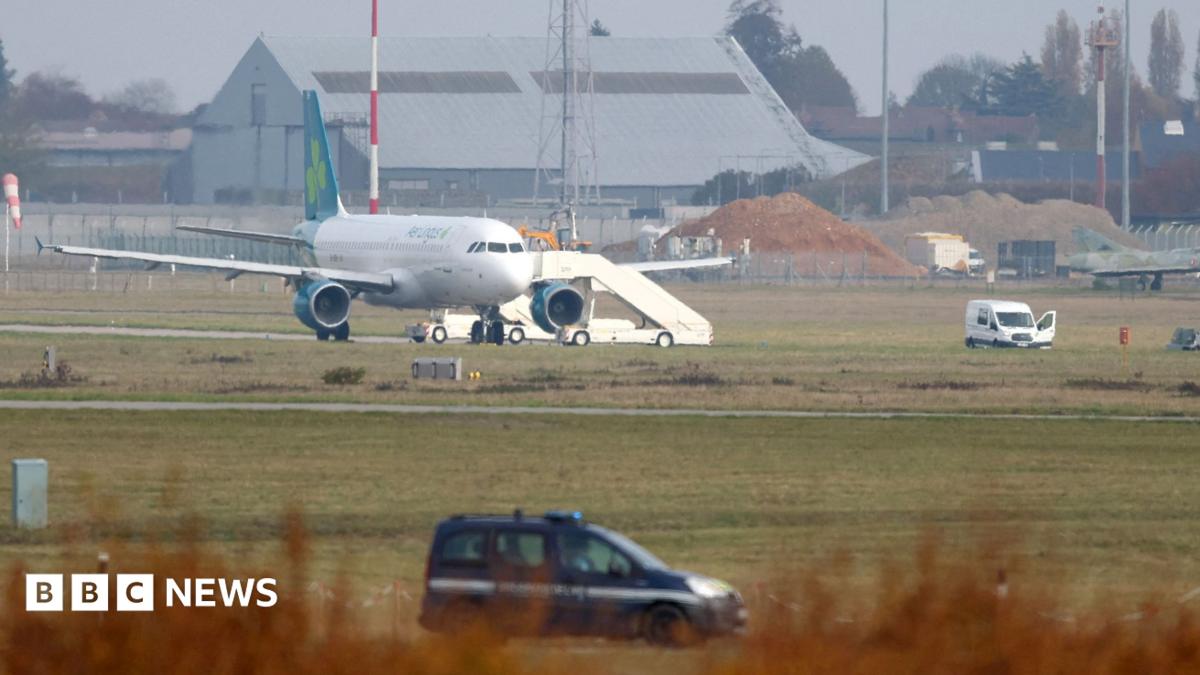
The situation began escalating early this week when multiple airlines, including Ryanair, Wizz Air, and Aer Lingus, reported receiving credible-sounding threats regarding potential explosive devices on board. Passengers experienced harrowing diversions, with many planes landing at military air bases or being met by armed response teams. One such incident involved a flight from Dublin to Rome that was diverted to an air base in Normandy. According to witnesses, the experience was unsettling, characterized by the sight of fighter jets trailing the aircraft. This pattern mirrors recent multiple flights diverted across Europe over bomb threats, indicating a sophisticated or highly persistent campaign of digital harassment targeting the transportation sector.
Root Cause & Deep Dive Analysis (Why Did This Happen?)
Investigations into these hoax bomb threats have pointed toward electronic communications, specifically emails, as the primary delivery method for the warnings. Some reports suggest these threats were signed by a group claiming to be the "Fighters of the Male State," a name associated with an extreme, ultra-right organization that faced legal bans in Moscow in 2021. However, security analysts remain cautious about attributing the attacks to any specific entity without concrete evidence. The motive appears to be centered on mass disruption rather than specific tactical targeting. By casting a wide net, the perpetrators have successfully paralyzed segments of the European transit network, creating a high-cost burden for both governments and private aviation companies. This is not the first time digital infrastructure has been weaponized, similar to recent aviation security concerns that have highlighted the vulnerability of air travel to cyber-enabled threats.
Strategic Implications & Future Impact (What Does This Mean Globally?)
The strategic implications of these events are twofold. First, they represent a shift toward "cheap, deniable disruption." Unlike kinetic attacks that require physical proximity and high-risk logistics, digital threats require minimal resources, effectively weaponizing the mandatory safety protocols of Western aviation. Second, the risk of systemic complacency is a major concern. Aviation experts emphasize that if authorities become habituated to treating these threats as non-credible, the security industry risks ignoring an actual attack. Governments now face the difficult task of balancing robust, necessary security responses with the need to minimize operational chaos. This ongoing cycle of intimidation may lead to increased surveillance of travel-related communications and stricter, more expensive, pre-flight screening protocols, ultimately affecting passenger experience and ticket pricing across the board.
Conclusion & What to Watch Next
As the investigation continues, European intelligence services are prioritizing the identification of the source behind these hoax bomb threats. Whether these acts are the work of a single state-sponsored actor, a copycat group, or a loose collective remains the central question. Passengers should expect increased scrutiny at security checkpoints and potential, albeit temporary, delays for the immediate future. The aviation community must now determine if current protocols are sufficient to defend against a campaign that values psychological impact over physical destruction. We must monitor whether this behavior migrates to other critical infrastructure, such as rail or maritime networks, as the world navigates this era of hybrid warfare.