
India’s Ancient Manuscripts Make History: Mahabharata, Arthashastra And Rajatarangini Get UNESCO Recognition
Introduction & Key Takeaways
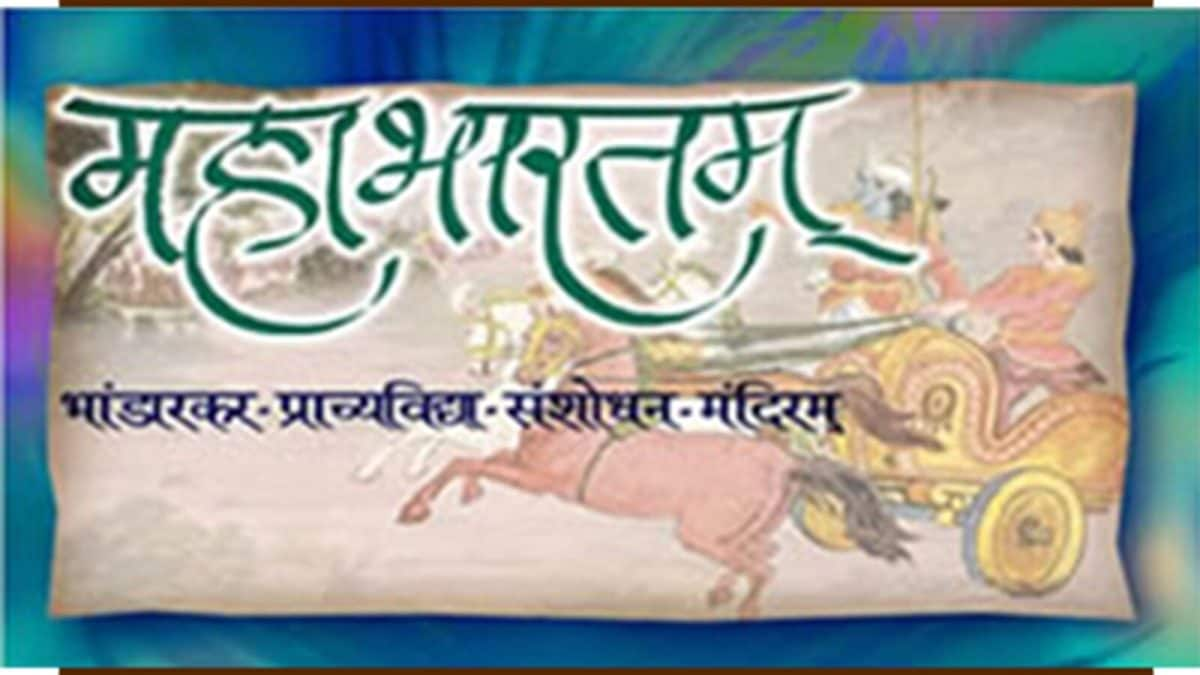
In a monumental development for global cultural preservation, three foundational classical texts, specifically the Mahabharata, Kautilya’s Arthashastra, and Kalhana’s Rajatarangini, have been officially inscribed into the UNESCO Memory of the World Asia-Pacific Regional Register. This prestigious recognition serves as a testament to the enduring influence of Indian philosophy and statecraft on the collective intellectual history of humanity.
- The Mahabharata, Arthashastra, and Rajatarangini have achieved formal international recognition.
- India now holds six total inscriptions within the UNESCO regional register.
- The recognition aligns with the ongoing Gyan Bharatam Mission, which aims to preserve and digitize rare historical documents.
- This milestone highlights India’s commitment to protecting its vast, diverse, and ancient literary heritage for future generations.
Background & Context
The formal announcement took place during the 11th Session of the Memory of the World Asia-Pacific Regional Register in Jakarta, Indonesia. This body works under the auspices of UNESCO, an organization dedicated to identifying and safeguarding documentary heritage of universal value. The inclusion of these three texts underscores the profound impact Indian thought has exerted on the intellectual evolution of the Asia-Pacific region and beyond. For decades, researchers have argued that such foundational works represent not merely regional lore but the bedrock of various political and ethical frameworks used globally.
Root Cause & Deep Dive Analysis
Why did this specific recognition occur now? The effort is part of a broader, strategic initiative to curate and validate the vast, scattered archival records of the Indian subcontinent. The nomination dossiers were expertly prepared by the Indira Gandhi National Centre for the Arts, which spent years gathering evidence on the significance of these manuscripts. The Mahabharata remains a cornerstone of epic literature, providing deep insights into duty, governance, and human psychology. Meanwhile, the Arthashastra offers a strikingly modern approach to realpolitik, economic management, and strategic administration that predates many Western political treatises. Finally, the inclusion of the Rajatarangini, a 12th-century chronicle, provides a rare, objective historical lens on early Indian society, proving that ancient scholars were equally committed to empirical documentation as they were to philosophical inquiry.
Strategic Implications & Future Impact
The inscription of these texts into the Memory of the World Asia-Pacific Regional Register is not a purely academic exercise. It carries heavy geopolitical weight by establishing India as a primary contributor to global intellectual capital. As nations move toward a future where digital sovereignty and cultural preservation define soft power, India is aggressively positioning itself through the Gyan Bharatam Mission to lead in archival technology. This mission serves to identify, conserve, and digitize millions of manuscripts currently suffering from the ravages of time. By doing so, India ensures that its narrative remains central to the global historical canon, protecting it from being lost to physical decay or geopolitical erasure.
Conclusion & What to Watch Next
The successful recognition of these six total works represents a significant diplomatic victory for India. Observers should watch for how the Gyan Bharatam Mission expands its scope, specifically regarding how it handles the digital repatriation of knowledge. As these ancient texts become more accessible, scholars expect a surge in research regarding the intersection of ancient statecraft and modern governance. This shift is critical as we see traditional power centers fluctuate, much like the volatility seen in other sectors, such as the major tech stocks influenced by shifting global economic tides.