
Dhanteras Rush In Jammu: Silver Lizards, Tortoises & Ganesha Steal The Show As Buyers Seek Budget-Friendly Gifts
Introduction & Key Takeaways
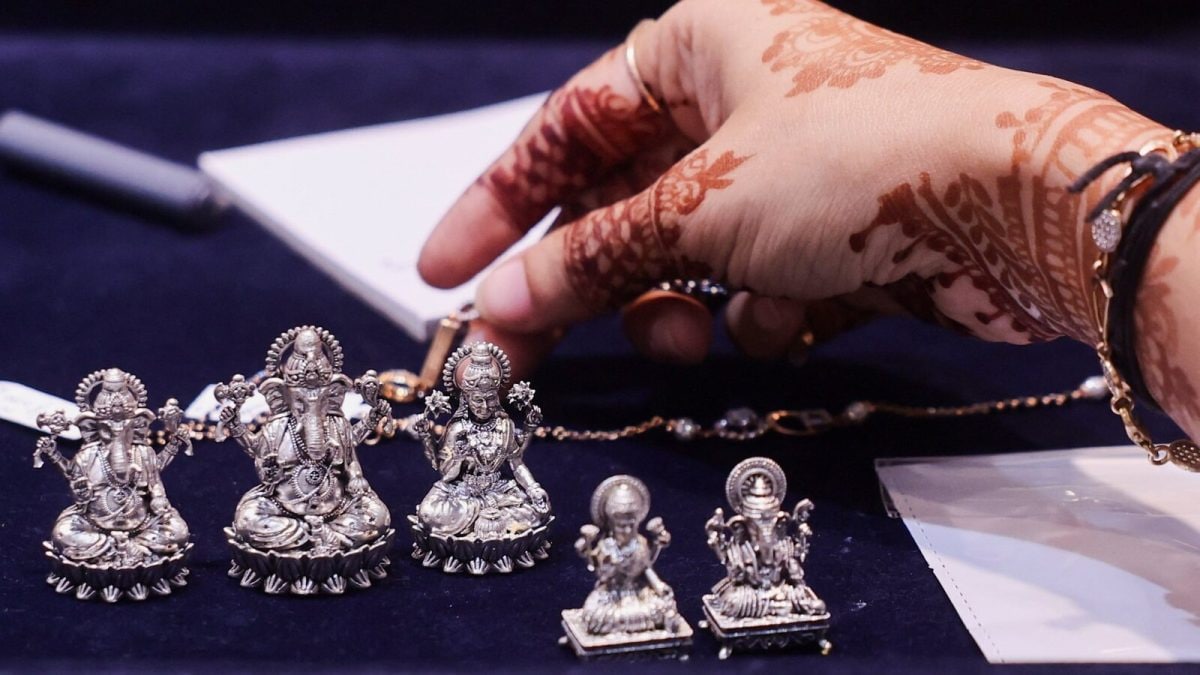
As the festive season reaches its peak in India, the traditional celebrations of Dhanteras are undergoing a notable transformation. In Jammu, the local market is currently buzzing with unique buying patterns that reflect a broader national shift in consumer behavior. This Dhanteras, shoppers are increasingly pivoting away from heavy bullion investments toward more accessible, creative silver collectibles. By diversifying their offerings to include items like silver lizards, tortoises, and Ganesha figurines, local merchants are successfully navigating economic headwinds to ensure festive participation remains high across all demographic groups.
Key Takeaways:
- Shoppers are prioritizing budget-friendly, decorative silver items over traditional heavy coins.
- The shift is driven by a cautious consumer sentiment in response to volatile precious metal markets.
- Innovative designs, including those with global influences, are revitalizing local demand.
- Strategic inventory adjustments by jewellers are keeping the tradition of festive metal buying alive.
Background & Context (What Just Happened?)
Dhanteras, widely celebrated as the precursor to Diwali, has historically been the most significant day for gold and silver acquisition in India. The belief that purchasing precious metals on this day invites prosperity is a cornerstone of the festival. However, the 2026 season has brought a distinct set of challenges. Market observers have noted that rapid price fluctuations in gold and silver have created a sense of hesitation among middle-class families. While the desire to honor the tradition remains, the financial capacity to invest in substantial quantities of bullion has been tested by inflationary pressures and market instability. In Jammu, this environment has prompted a strategic response from retailers who are now showcasing more affordable, aesthetic, and unconventional options to cater to this shifting market.
Root Cause & Deep Dive Analysis (Why Did This Happen?)
The core reason for this shift lies in the democratization of festive luxury. When precious metal prices hit a ceiling, consumers often feel priced out of the traditional market. By introducing smaller, quirkier items, local shopkeepers in Jammu have effectively lowered the entry barrier. These items serve as tokens of tradition without requiring the significant capital expenditure associated with gold bars or larger silver sets. The introduction of Chinese-style jewellery and intricate, symbolic figurines (such as silver lizards, often associated with wealth and good fortune in local folklore) allows families to maintain their ritualistic commitments while staying within strict budgetary constraints. This is a classic example of market adaptation where retailers prioritize volume and customer satisfaction over high-margin, slower-moving luxury assets. For a broader look at how economic shifts influence consumer trends, you may explore detailed market analysis on retail behaviors.
Strategic Implications & Future Impact (What Does This Mean Globally?)
This trend toward smaller, budget-conscious purchasing is not unique to Jammu. It mirrors a global cooling in luxury spending as inflation affects household disposable income. From an economic perspective, this shift highlights the resilience of tradition. Even when capital is constrained, consumers find ways to adapt their spending habits to ensure their cultural and religious milestones are marked with significance. For smallholder communities, similar to how digital agriculture impacts productivity, the ability to pivot to new market models is essential for survival. Future festive seasons will likely see a continued expansion of these ‘entry-level’ precious metal products as retailers learn that customization and affordability are the keys to sustaining festive commerce in uncertain economic climates.
Conclusion & What to Watch Next
The evolving landscape of Dhanteras in 2026 offers a fascinating case study in adaptive consumerism. While the traditional desire to acquire silver and gold remains, the manifestation of that desire is becoming increasingly personalized and budget-aware. As we move further into the festive season, it will be important to monitor whether this trend influences national sales volumes for bullion or if it signifies a permanent change in how Indian households approach festive investments. Traders and market analysts should watch closely for how these innovative, smaller-ticket items perform during the post-festival period. Ultimately, the ability of local markets to anticipate and meet these changing needs will determine the overall success of the retail sector during this pivotal time of the year.