
Palestinian couples tie the knot in mass wedding in Gaza
Introduction & Key Takeaways
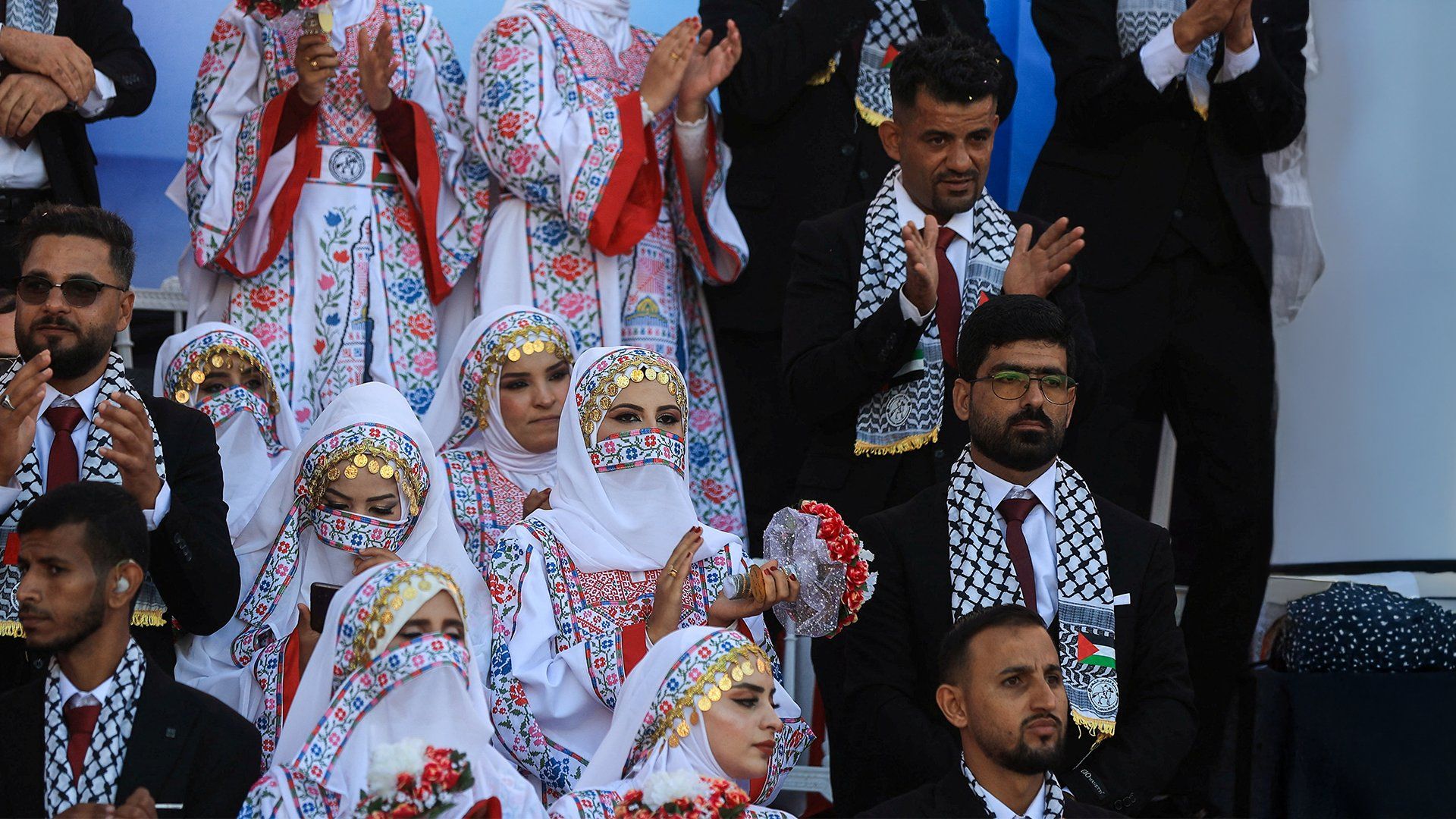
In a powerful display of human defiance against the backdrop of an enduring humanitarian crisis, 250 Palestinian couples recently participated in a mass wedding in Gaza. This event, which serves as a profound symbol of Gaza mass wedding traditions and hope, highlights the unwavering spirit of a community determined to build futures despite overwhelming geopolitical instability. The gathering stands as a testament to the resilience of those living in conflict zones, asserting that life, love, and community bonds persist even when external conditions seem designed to extinguish them.
- The ceremony united 250 couples in a single, large-scale celebration.
- The event was facilitated by Operation Chivalrous Knight, a relief initiative led by the UAE.
- Mass weddings are deeply rooted in Palestinian social structures as a cost-effective method to navigate economic hardship.
- The event underscores the psychological importance of maintaining cultural life amidst prolonged military conflict.
Background & Context (What Just Happened?)
The mass wedding took place in Gaza as part of a humanitarian effort to support young couples facing extreme economic precarity. In regions afflicted by war, the financial barriers to marriage are often insurmountable, as families struggle to afford basic necessities, let alone the costs of a traditional wedding celebration. This initiative sought to bypass these hurdles, providing families with a rare moment of joy. For many, such events are not merely romantic occasions, but crucial acts of communal solidarity that echo the sentiments found in broader global discussions about social justice, as explored in societal shifts and identity politics. By pooling resources, organizers and local participants created a sustainable pathway for individuals to formalize their relationships and establish new domestic lives.
Root Cause & Deep Dive Analysis (Why Did This Happen?)
The necessity for such a large Gaza mass wedding stems from years of systematic economic isolation and the destruction of civilian infrastructure. When a population is confined and under constant threat, traditional life cycles are interrupted. Historically, community-based marriages provide stability and a sense of normalcy that is otherwise impossible to achieve. Operation Chivalrous Knight, which sponsored the event, acts as a primary lifeline in a territory where traditional banking and social services have been severely compromised by the ongoing military campaign. This humanitarian intervention serves a dual purpose, providing essential material support while simultaneously fulfilling a deep psychological need for social continuity. Understanding the plight of such populations is essential, as legal and social protections remain precarious, much like the concerns raised in discussions regarding humanitarian assistance frameworks globally.
Strategic Implications & Future Impact (What Does This Mean Globally?)
The occurrence of a large-scale wedding in a conflict zone carries significant strategic weight. First, it demonstrates that even in the most restricted environments, the desire for societal formation persists. This forces international observers to recognize the humanity of the population beyond mere statistics of displacement or hunger. Second, the reliance on foreign relief, specifically from the UAE, highlights the shifting geopolitical landscape of aid. Middle Eastern powers are increasingly playing a direct, on-the-ground role in local Palestinian affairs, often operating through humanitarian corridors to bypass paralyzed diplomatic channels. This Gaza mass wedding acts as a soft-power marker, affirming the commitment of regional allies to the local population while the international community remains largely divided on the path forward.
Conclusion & What to Watch Next
As the conflict continues, the focus on weddings and civilian milestone events will likely remain a key indicator of internal social stability. We must watch whether such initiatives can scale sufficiently to address the massive backlog of social needs. While these moments provide a flicker of optimism, they are set against a backdrop of severe structural damage that requires more than humanitarian aid to resolve. Future developments will depend heavily on the ability of local groups to maintain these networks of care under worsening conditions. The world should monitor how these grassroots efforts continue to influence the narrative of resilience in the region.