
Jerusalem Daily: Arab parties back Eisenkot against Netanyahu
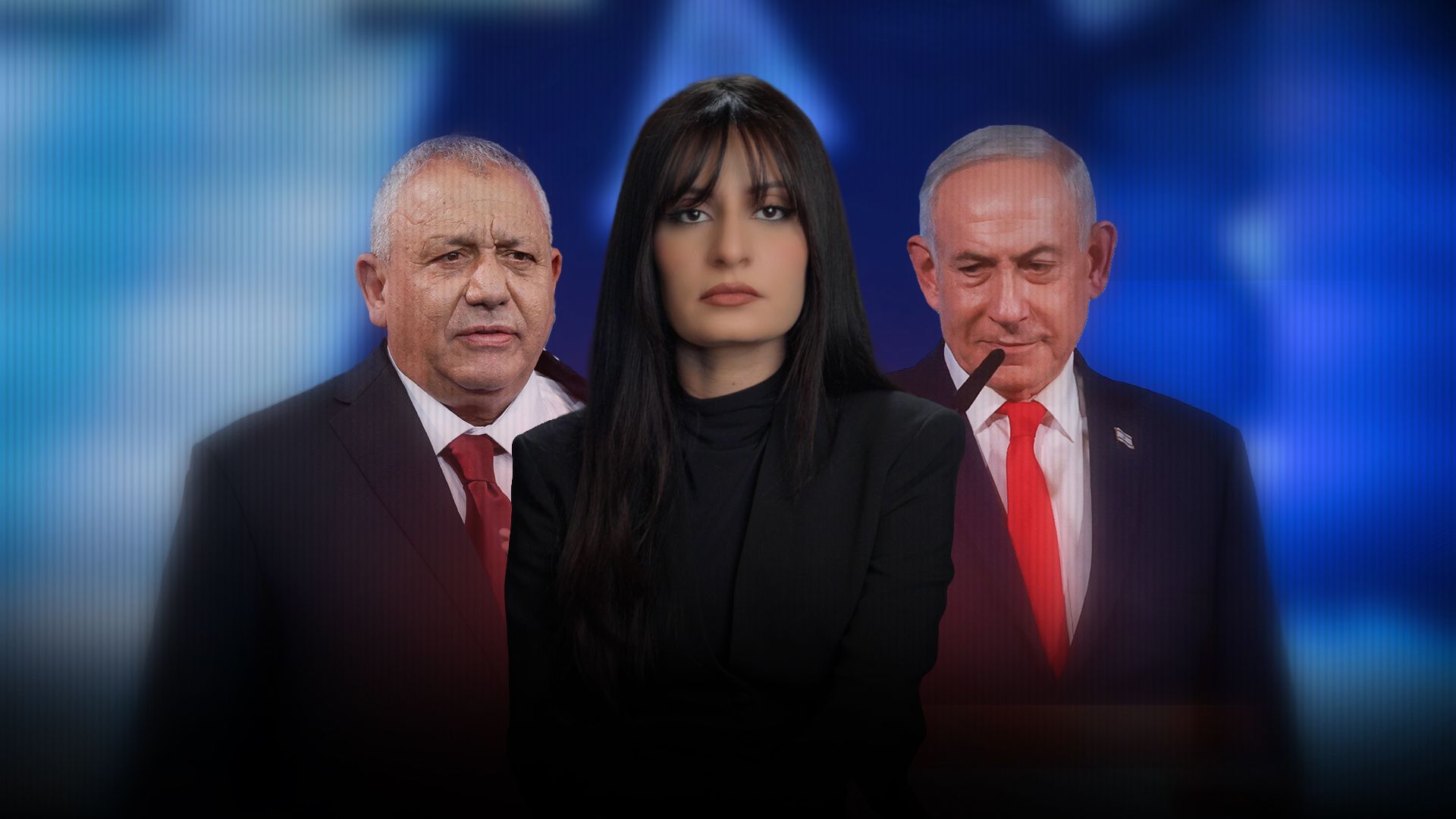
Introduction & Key Takeaways
The Israeli political landscape has entered a period of extreme volatility as the nation grapples with shifting alliances and deep-seated territorial disputes. The recent decision by Arab-majority parties, specifically the Joint List and Ra,am, to support Gadi Eisenkot against incumbent Benjamin Netanyahu marks a significant evolution in the country’s power dynamics. This Gadi Eisenkot development could potentially reshape the Knesset, although the path to a stable coalition remains fraught with obstacles. Amid this legislative maneuvering, the administration has also initiated controversial actions involving the destruction of a Palestinian Bedouin community to advance the E1 settlement project.
- Arab parties have shifted their support toward Eisenkot, challenging Netanyahu’s long-standing dominance.
- The E1 settlement project continues to act as a flashpoint for human rights concerns and regional stability.
- Strategic alignment between minority parties and opposition figures reveals a desperate attempt to curb current executive power.
- Market observers are tracking how these internal shifts impact the broader national narrative and economic security.
Background & Context
To understand the current tension, one must look at the historical friction between the Likud party and the various factions within the Knesset. Benjamin Netanyahu has dominated the Israeli political stage for decades by leveraging conservative coalitions and strong nationalist rhetoric. However, the emergence of Gadi Eisenkot as a primary challenger represents a pivot toward a different style of military-political leadership. The E1 corridor, located east of Jerusalem, has been a subject of intense international and domestic scrutiny for years. It serves as a vital bridge between Jerusalem and Maale Adumim. Developing this land is viewed by many as a move that would effectively sever the northern West Bank from the southern portion, rendering a future contiguous Palestinian state nearly impossible.
Root Cause & Deep Dive Analysis
The decision by Arab parties to back an opposition candidate is not merely a vote for a specific individual. It is a strategic response to the policies enacted by the current administration. For years, these parties have operated on the fringes of the coalition-building process. By aligning with Eisenkot, they are attempting to act as kingmakers in a system that often sidelines their core constituency. The recent demolition of Bedouin structures is consistent with a long-term goal of consolidating control over Area C of the West Bank. This strategy, often described by international bodies as a violation of humanitarian norms, serves to alter the demographics of the region before any potential peace negotiations could resume.
Strategic Implications & Future Impact
The support for Gadi Eisenkot creates a precarious situation. Even if this alliance secures a majority, the ideological distance between the Joint List, Ra,am, and other centrist members of an anti-Netanyahu block is vast. The risk is a fragile government that struggles to pass meaningful legislation while being constantly pressured by its own internal contradictions. Furthermore, the international community, particularly the United States and European allies, will be forced to reconcile their support for Israel with their opposition to the expansion of the E1 settlement. This could lead to a cooling of diplomatic relations, potentially affecting trade and military aid at a time when Israel faces multifaceted regional challenges.
Conclusion & What to Watch Next
The coming weeks will be defined by intense backroom negotiations and potential legislative gridlock. As the government attempts to push forward with its territorial plans, observers should monitor whether the Arab parties hold their ground or if pressure from within their own ranks forces a retreat. The stability of any potential coalition led by Gadi Eisenkot will depend on its ability to address the immediate socio-economic needs of the citizenry while navigating the minefield of the Israeli-Palestinian conflict. We must also consider if the focus on internal political survival will distract from broader regional security issues that have been building throughout the year.