
Kenyan doomsday sect leader jailed for 200 years for murder of 190 children
Introduction & Key Takeaways
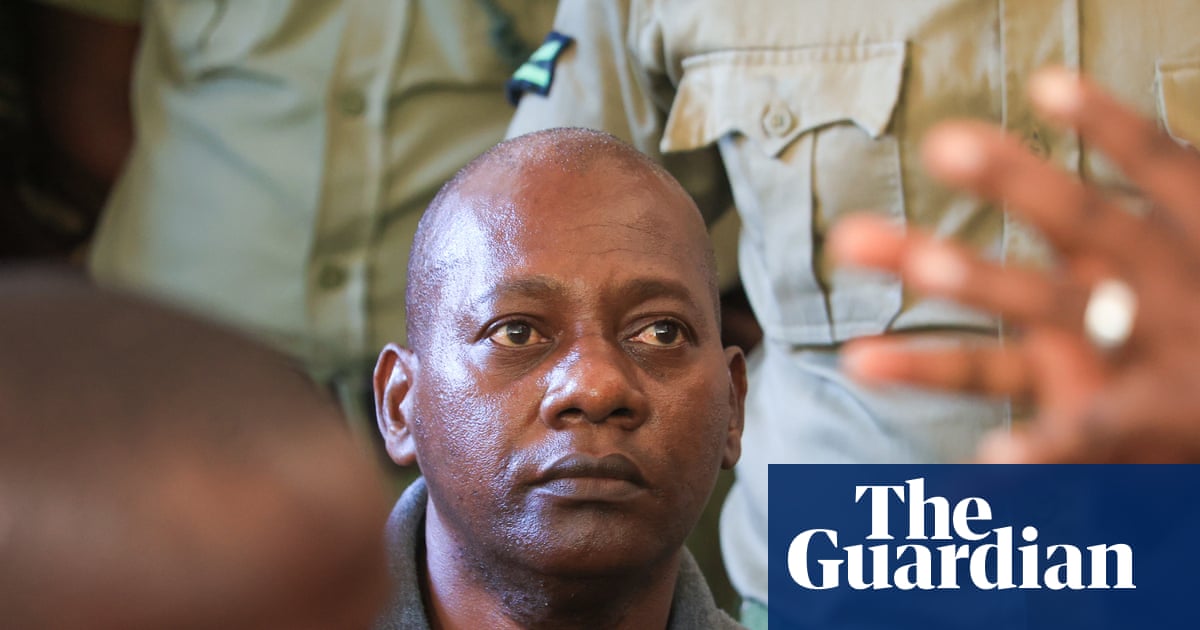
The recent sentencing of Paul Mackenzie to 200 years in prison marks a pivotal moment in the fight against coercive religious exploitation. As the leader of the Good News International church, Mackenzie orchestrated a horrific doomsday sect, resulting in the deaths of hundreds of people. This legal outcome serves as a grim milestone for the nation of Kenya, which has struggled to grapple with the rise of unregulated religious movements.
- Paul Mackenzie received two 100-year sentences for murder by starvation and direct homicide.
- The Shakahola forest investigation has uncovered over 400 bodies to date.
- The case has triggered an urgent nationwide debate regarding religious oversight.
- The court rejected the defense claims, highlighting clear evidence of coercive isolation.
Background & Context
The tragedy surrounding the Paul Mackenzie case began to unfold in early 2023 when authorities received reports of families perishing in the Shakahola forest. What started as a tipoff quickly spiraled into one of the most haunting criminal discoveries in modern African history. Mackenzie, a former taxi driver turned preacher, had systematically radicalized his followers, instructing them to view secular institutions like schools and hospitals as manifestations of evil. By 2019, following initial brushes with the law, he relocated his activities to the dense brush of the Shakahola forest to operate outside the public eye.
Root Cause & Deep Dive Analysis
Why did this happen? The vulnerability of rural populations and the erosion of trust in formal social systems played significant roles in the growth of this cult. Mackenzie exploited religious fervor, dividing his forest encampment into zones named after biblical locations like Jerusalem and Judea. This psychological isolation was designed to sever the followers from their support structures. Similar to recent discussions on political accountability in Jerusalem Daily: Arab parties back Eisenkot against Netanyahu, the failure of regulatory bodies to intervene earlier when warning signs emerged in 2017 remains a point of deep concern for civil society groups.
The court proceedings revealed that children were often singled out, denied sustenance while their parents were forced to watch, illustrating the extreme level of psychological control exerted by the leadership. The sheer scale of the devastation, involving more than 400 victims, underscores the catastrophic impact of extremist ideologies when left unchecked.
Strategic Implications & Future Impact
The sentencing of Paul Mackenzie carries heavy implications for the intersection of religion and law in East Africa. There is now a growing consensus that the era of self-regulation for churches must end. The government is currently under pressure to introduce legislative reforms that would require stricter vetting and financial transparency for religious entities. While some argue that such measures might infringe upon constitutional rights, the sheer volume of lost lives in Shakahola has shifted the political narrative toward prioritizing public safety.
Beyond the legal framework, this case highlights a global phenomenon where extremist cells operate under the guise of religious freedom. The international community is watching how Kenya addresses these systemic loopholes to prevent future cult leaders from establishing similar networks. The long-term impact will likely manifest in how the state manages social welfare and monitors fringe groups, potentially altering the landscape of religious influence in the region for decades.
Conclusion & What to Watch Next
As the legal battle continues for other related charges, including terrorism, the nation continues to mourn the victims of this incomprehensible event. The Shakahola forest remains a site of ongoing forensic investigation. Citizens and human rights activists will be closely monitoring the next steps of the judicial system, particularly regarding the accountability of officials who failed to stop the cult earlier. The path toward healing is long, but the sentencing of a figure like Mackenzie is a necessary, albeit late, step toward justice.