
Flydubai co-pilot attacked captain with axe, UAE official says
A routine commercial flight turned into a scene of harrowing survival as a Flydubai co-pilot launched a violent attack against his captain using a crash axe. This mid-air crisis, which involved a terrifying 17,000-foot plunge, has since become the subject of an intense investigation by authorities in the United Arab Emirates. As the industry grapples with the details of this Flydubai pilot attack, the aviation community remains in awe of the sheer courage displayed by the crew and passengers who managed to prevent an absolute catastrophe.
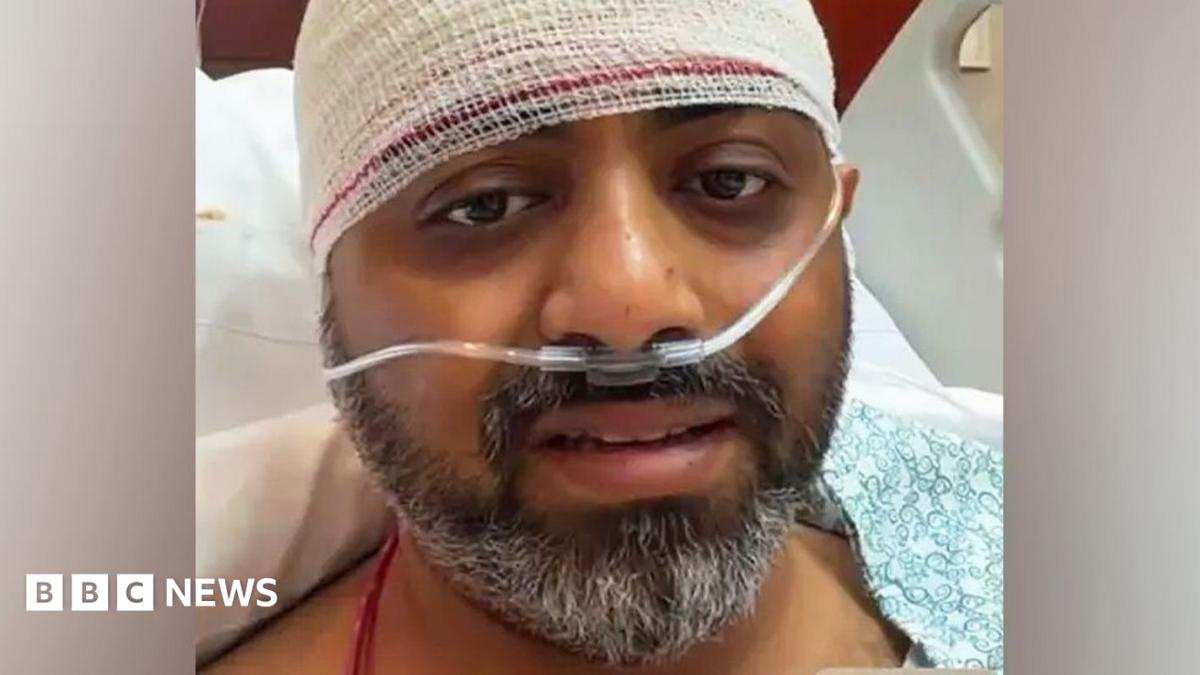
The incident occurred approximately two and a half hours into a flight destined for Tel Aviv. Reports indicate that the co-pilot, who has been widely named in international media as Hamam al-Hammami, suddenly turned his aggression toward the captain. During the chaos, the aircraft experienced massive G-force fluctuations as it descended rapidly. In a testament to his grit, Captain Smit Machchhar, despite suffering significant stab wounds, managed to maintain his presence of mind to open the cockpit door, effectively allowing passengers to assist in neutralizing the threat.
Understanding the Flydubai Pilot Attack
The aftermath of the Flydubai pilot attack has revealed disturbing details about the assailant. According to global news reports, Al-Hammami had previously been removed from flight training at another airline due to concerns regarding his radicalized ideological views. His background, coupled with his alleged suicidal declarations during the struggle, has prompted security agencies to re-evaluate how regional airlines monitor pilot mental health and ideological radicalization.
Captain Machchhar, a veteran pilot originally from India, has received widespread acclaim for his bravery. His swift actions provided the opening necessary for passengers, including Dr. Shota Musayev and Zvika Manes, to intervene. By physically subduing the attacker and helping to stabilize the aircraft’s controls, these brave individuals successfully prevented what Israeli officials described as a potential tragedy on the scale of historical disasters. For more background on the pilot’s celebrated composure, read about how he was honored for his heroism during the mid-air attack.
As the investigation deepens, aviation safety experts are analyzing the security protocols involving the crash axe. While this tool is standard in cockpits for emergency situations, such as cutting through debris or clearing escape routes, its use as a weapon has sparked a debate over cockpit accessibility and security. The UAE attorney general has confirmed that the investigation is now looking at potential terrorist motivations. Furthermore, Aviation Safety Standards are likely to face rigorous scrutiny following this terrifying event.
The recovery process for Captain Machchhar is currently underway. After receiving initial treatment, he was airlifted to Abu Dhabi, where he remains in stable condition. The Indian embassy has expressed relief regarding his recovery, and the captain himself remains optimistic about returning to the skies. Meanwhile, the passengers who performed the life-saving intervention are being hailed as national heroes in their respective countries. The Flydubai pilot attack stands as a stark reminder of the unpredictable nature of flight safety and the critical role that both trained professionals and vigilant passengers play in ensuring the survival of those on board.
Moving forward, the aviation sector must grapple with the psychological screening processes of its flight crews. While commercial aviation remains the safest mode of travel, the events involving flight FZ1073 serve as a sobering check on security. Airlines worldwide are now expected to tighten background checks and monitor for signs of radicalization with much greater intensity. Ultimately, the survival of the 170 people on board is a victory for human resilience, showcasing how quick thinking under extreme pressure can stop a disaster before it takes hold.