
‘I was not going to let others die’ – pilot of Flydubai flight describes cockpit attack by co-pilot
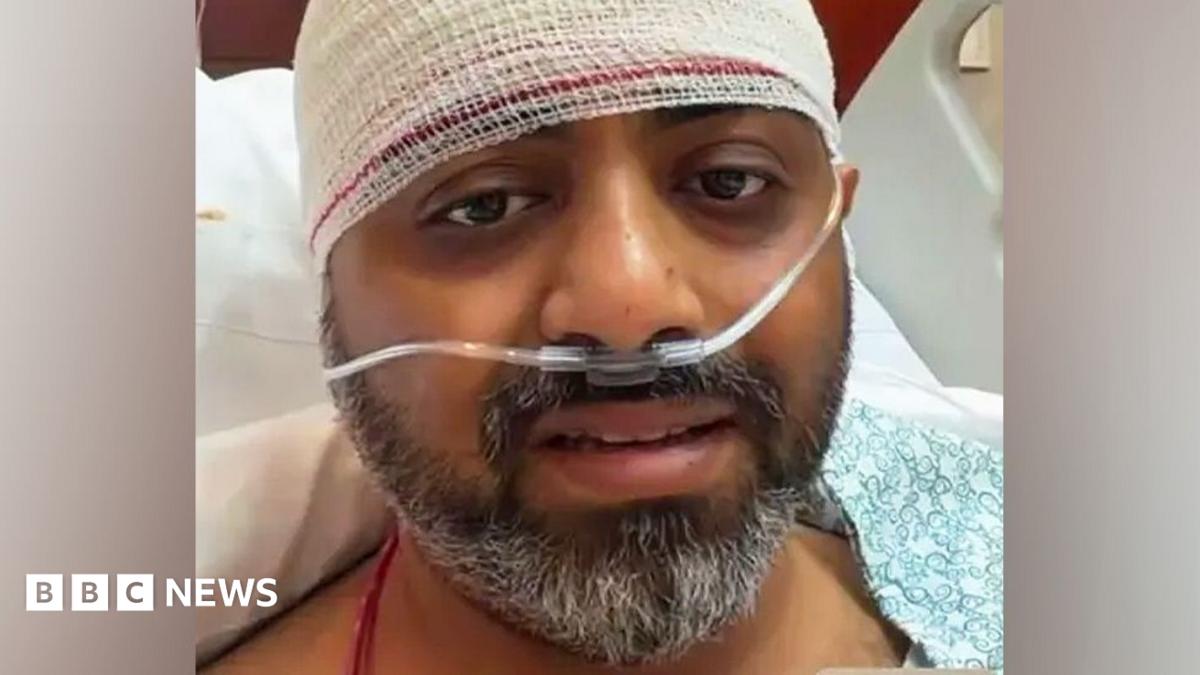
In a harrowing turn of events that has captured global attention, the story of Smit Machchhar has emerged as a beacon of resilience and professional duty. The Indian pilot of a Flydubai flight, who faced a brutal cockpit attack by his co-pilot, recently shared the harrowing details of the mid-air struggle. Faced with the sudden, violent death-defying descent of an aircraft carrying over 170 passengers, he remained steadfast in his conviction: he was not going to let others die. This remarkable display of composure during a life-or-death crisis has solidified his status as a modern-day aviation hero, drawing commendations from leaders worldwide.
The incident, which occurred on flight FZ1073 from Dubai to Tel Aviv, began when the flight experienced a sudden, inexplicable loss of altitude. According to reports, the aircraft plummeted more than 17,000 feet in mere moments. As panic set in, the cockpit became the site of an unimaginable betrayal. Investigators suggest the co-pilot, identified as an Omani national, attacked his colleague before attempting to crash the plane. For more context on the dangerous nature of such incidents, it is worth looking at reports like the stabbing on Flydubai flight to Israel, which highlight the rapid escalation of violence at 30,000 feet.
The Heroism of Smit Machchhar
Despite being severely wounded and left on the cockpit floor, Captain Smit Machchhar refused to succumb to his injuries. During a heartfelt video call with Indian Prime Minister Narendra Modi, he recounted the visceral reality of the struggle. Even while fighting for his own life, he understood that the fate of every soul onboard rested on his ability to regain control. His decision to crawl and reach the cockpit door allowed others to enter, effectively turning the tide against the attacker. This specific act of bravery is detailed further in accounts regarding the personality and character of this pilot, confirming the discipline required to maintain such focus.
Aviation safety is a field predicated on training, but no manual can fully prepare a crew for a deliberate act of sabotage from within. The International Civil Aviation Organization notes that cockpit security remains a top priority, yet the human element often dictates the outcome of emergencies. In this case, the intervention of fellow passengers and the subsequent landing by two reserve pilots at Tabuk Airport in Saudi Arabia averted what would have been a catastrophic tragedy.
The physical recovery process for the captain is currently underway in Abu Dhabi. He remains optimistic, choosing to view his severe wounds as a journey toward health rather than a debilitating permanent injury. His story serves as a poignant reminder of the unseen, silent guardians who operate in the skies daily. By channeling his 17 years of flying experience, he was able to interpret the flight’s instability instinctively, a skill set that saved hundreds of families from mourning their loved ones.
As authorities in the UAE continue to probe the attacker’s motives and potential ties to extremist indoctrination, the global community continues to praise the quick thinking displayed by Smit Machchhar. His journey from the cockpit floor to a stable hospital bed in the UAE is nothing short of miraculous. While investigators look for answers regarding the perpetrator’s history, the world focuses on the grace and courage of the pilot who refused to be defeated by fear. He stands today as a testament to the fact that, even in the darkest of moments, human courage can alter the course of destiny.