A disturbing new report uncovers a harrowing surge in incidents of food-related violence across the globe. Since 2018, over 20,000 documented attacks targeting the very sustenance of communities have plunged millions deeper into crisis. This alarming trend reveals hunger is not merely a consequence of conflict but is being systematically weaponized, tearing at the fabric of survival for vulnerable populations worldwide.
The Rising Tide of Food-Related Violence
The extensive analysis, coinciding with the anniversary of a landmark UN resolution, paints a grim picture. Researchers found an astounding 21,403 incidents in 15 countries where food supplies were deliberately attacked. These weren’t isolated events; they included 1,261 brutal strikes on markets where families typically buy their daily necessities and 863 direct assaults on critical food distribution systems, often resulting in tragic loss of life among aid workers.
Further exacerbating the crisis, agricultural infrastructure has become a prime target. Military operations have ravaged farmlands in 1,909 instances, and vital water infrastructure, indispensable for cultivating crops, faced 563 strikes. These actions have severely crippled food security in over 42 nations and territories, demonstrating a calculated strategy to inflict suffering, intensifying this brutal food-related violence.
Giulia Contò, a conflict and hunger advocacy manager at Action Against Hunger, lamented the grim reality. “Famine in Gaza and Sudan has captured global headlines over the past two years, but most conflict-induced hunger never does,” she noted. “It unfolds daily, with relentless attacks on the systems communities depend on to survive: livestock looted, markets bombed, aid convoys blocked.”
Weaponizing Sustenance: Global Hotspots Emerge
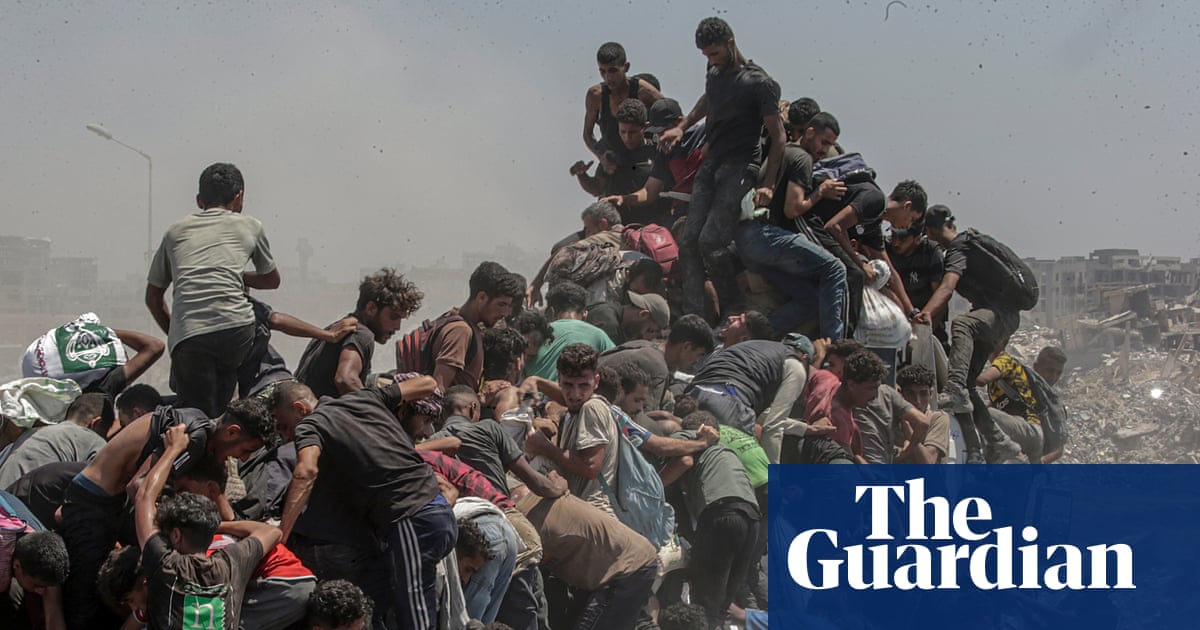
The data highlights specific regions enduring the brunt of this horrifying tactic. The Occupied Palestinian Territory leads with an overwhelming 9,013 documented attacks. Yemen, already reeling from years of strife, follows with 1,863 incidents, and Sudan has seen 1,605 targeted strikes on food sources. A recent drone attack in Sudan, striking a bustling market and claiming 28 lives, tragically underscores the immediate danger civilians face from food-related violence.
Syria recorded 1,538 incidents, often linked to government or Russian military forces, while Mali documented 1,415 attacks amidst ongoing struggles for governmental control. Christina Wille, director at Insecurity Insight, which compiled this damning data, emphasized that the international community has a profound responsibility “to act upon violations.” She asserted, “It is not that resolution 2417 has failed, but that member states have failed to implement it, and to demonstrate the political will to prevent those very same actions that the international community claims to oppose.”
The human toll is staggering. Over 10,300 individuals were either killed or injured between October 2023 and the end of 2025 simply trying to access humanitarian aid. Women, in particular, bear a disproportionate burden. Forced to undertake perilous journeys for food or prioritize their families by sacrificing their own meals, their resilience is constantly tested. The long-term developmental consequences for children growing up with chronic food insecurity are profound and lasting, creating a cycle of suffering that perpetuates across generations.
Conflict remains the single largest driver of acute hunger, impacting more than half of all severely food-insecure people globally. UN agencies recently issued a dire warning: two-thirds of the world’s acute food insecurity is now concentrated in a mere ten conflict-affected countries. Implementing the resolution condemning starvation as a weapon of war is not just a diplomatic nicety; it is an urgent moral imperative.
About the Author