“Returning was beautiful in the sense of going back to one’s country, but it was very exhausting physically, emotionally, financially, and mentally, because everything has changed.” These poignant words from 37-year-old Hiam encapsulate the bittersweet paradox gripping millions. In 2025, a staggering nearly 15 million displaced people return to their homelands, marking the largest surge of such movements ever recorded by the United Nations. It was a wave of humanity, unparalleled in recent history, cascading back into landscapes irrevocably altered by conflict and time.
As the world observes World Refugee Day on June 20, the scale of global displacement remains sobering. Over 117.8 million individuals, approximately one in every 70 people worldwide, currently endure forced displacement. This vast multitude includes refugees, asylum seekers, and internally displaced people (IDPs), collectively forming a population roughly the size of major nations like Egypt or the Philippines. However, for the first time in a decade, a glimmer of change emerged: a decline in forced displacement, largely attributed to the very phenomenon of large-scale returns.
The Complex Reality of Displaced People Return
While 15 million people made the arduous journey home, this figure represents a mere 12 percent of the total forcibly displaced population. The majority of these returns were internally displaced individuals (10.3 million), reintegrating within their own countries. A significant 4.36 million refugees also returned internationally, nearly tripling the previous year’s figures. The impulse to return, to rebuild fractured lives on familiar soil, is deeply human. Yet, for many of these displaced people return signals not an end to hardship, but a new chapter of profound challenges.
The global refugee agency warns that conditions are frequently far from ideal. Many returnees confront persistent violence, instability, and a stark absence of vital services. The dangers are palpable, raising critical questions about the long-term safety and well-being of those who embark on this journey back to their countries of origin. Concentrated heavily, almost 98 percent of the 4.36 million returning refugees went to just five nations: Afghanistan, Syria, Sudan, South Sudan, and Ukraine.
Afghanistan: A Reluctant Homecoming
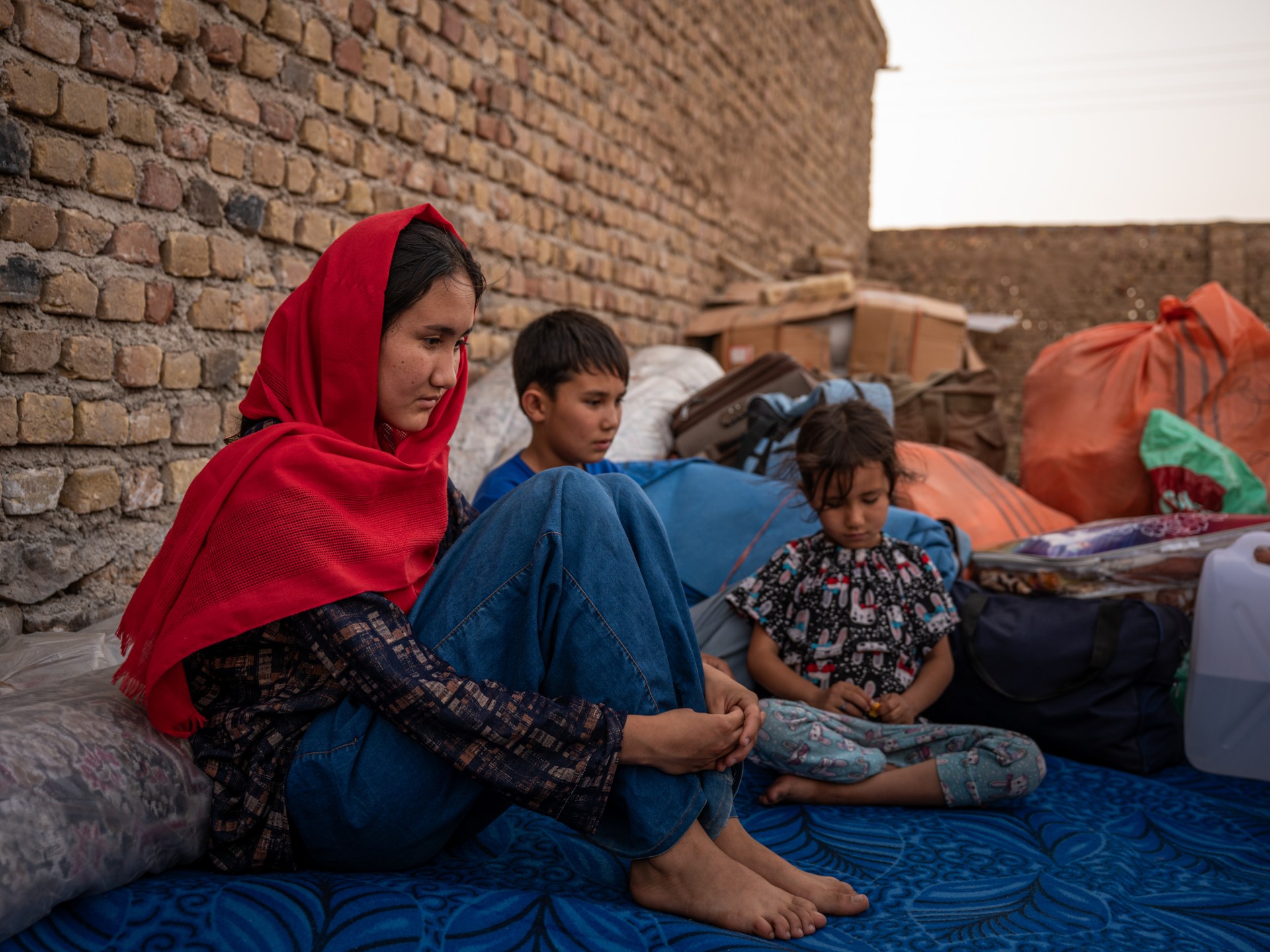
Nearly two million Afghans returned in 2025, an abrupt and massive movement often born of necessity rather than choice. Restrictive policies in host nations like Iran and Pakistan, where millions of Afghans have resided for decades, compelled many to return. Maryam, a 30-year-old widow, found herself among them, returning to Afghanistan with her two sons after six years in Iran. “Now I have nothing – no job, no home, and no one to turn to,” she laments, her quiet despair compounded by the sight of her 15-year-old son, Sadeq, sacrificing his education for work. Interviews reveal a grim reality: 80 percent of returning Afghan households skip at least one meal daily, and over a third lack access to essential medical care.
Syria: Back to a Transformed Land
Syria witnessed approximately 1.3 million international returns in 2025, alongside two million internally displaced Syrians returning home. This reduced the global Syrian refugee population from six million to 4.9 million. The fall of the al-Assad regime in December 2024, after 54 years, undoubtedly influenced this movement. Hiam, having endured 12 years in a host country, spoke of the overwhelming cost of living as her primary driver to return. Her initial homecoming was agonizing. “Syria now is completely different from when we left. The return was very difficult at first – the scene was very hard for me.” Yet, she found resilience: “But thank God, I became stronger. The first period was very difficult, and at the beginning, it was hard to cope.”
Sudan: Scars of Conflict Remain
In Sudan, 651,000 refugees and 2.9 million IDPs returned in 2025, largely from neighboring Egypt and South Sudan. Most resettled in areas like Gezira, Sennar, and Khartoum states, where basic services are severely degraded and unexploded ordnance contaminates the landscape. Ansam Rustom, who fled Khartoum in 2023, reflected on the indelible marks of war. “Every day, there were memories of the war, of one’s home, of the things lost, and the grief inside. It stayed with us for years.” Yet, the stories of these brave displaced people return paint a vivid picture of resilience amidst overwhelming odds. Ansam and her children, despite the challenges, have gradually adjusted. “We tasted the horrors of war, a period that was a great lesson for us. It showed me what wars mean, to leave your home when you are forced to.”
The remarkable surge in displaced people return in 2025, while a hopeful sign of decreasing overall displacement, undeniably exposes a stark truth. For millions, returning home is not a triumphant arrival but a perilous journey into an uncertain future. The international community, including organizations like the global refugee agency, faces an immense task in ensuring these returns are safe, dignified, and sustainable, allowing these resilient individuals to truly rebuild their lives.
About the Author