
New constitution in Guinea-Bissau will undermine democracy, opponents say
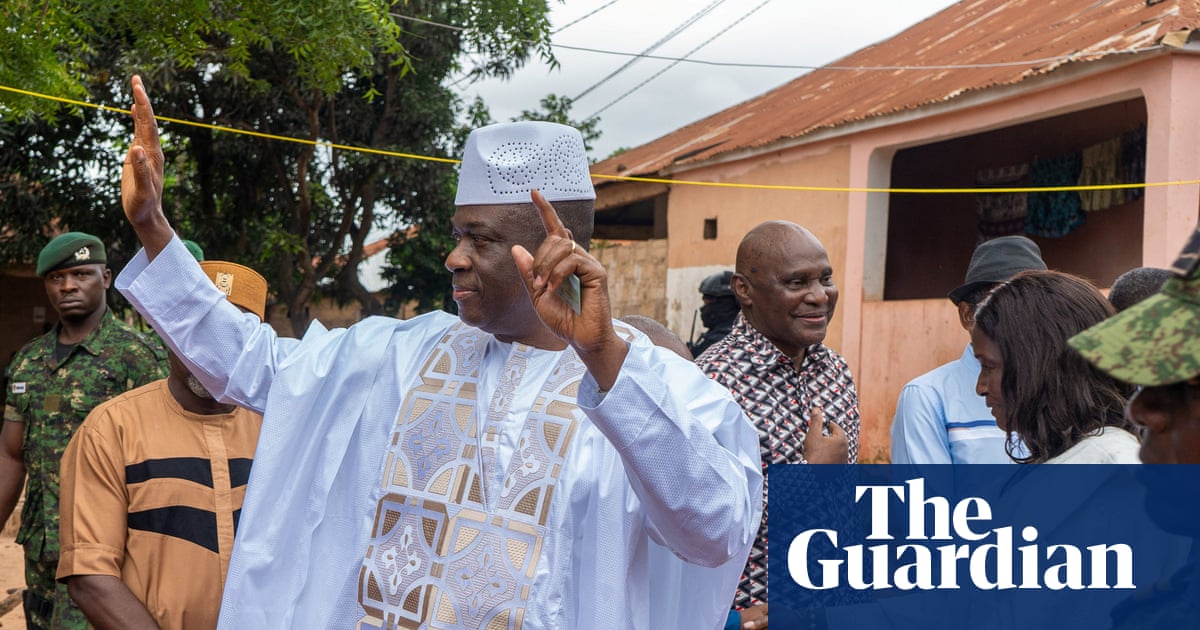
In a move that has sent ripples of apprehension throughout the international community and ignited fierce debate within its borders, the tiny West African nation of Guinea-Bissau has overwhelmingly approved a controversial new Guinea-Bissau constitution. Provisional results from Sunday’s referendum indicate a decisive 70% of voters endorsed sweeping constitutional amendments, changes critics contend will significantly expand presidential powers and, crucially, undermine the delicate fabric of democracy just months before pivotal December elections.
This marks the first significant constitutional overhaul in over three decades, a period stretching back to the revisions that marked the end of the one-party socialist state. The high stakes are palpable in a country infamous for its political volatility. With a reported turnout exceeding 55%, roughly 544,060 citizens participated in a vote that many hope will finally stabilize the nation, yet others fear might plunge it into further authoritarian tendencies.
A Deep Dive into the New Guinea-Bissau Constitution
The approved constitution introduces several profound alterations that have fueled the concerns of opposition parties and civil society groups. Perhaps most notably, it slashes the number of parliamentary seats from an existing 102 down to a mere 65. Concurrently, the number of electoral constituencies will see a drastic reduction, shrinking from 29 to just 12. Such changes inevitably raise questions about the breadth of representation and the accessibility of political power for diverse voices across the nation.
Beyond the architectural restructuring of its legislative body, the new constitutional framework also imposes stringent new eligibility requirements for presidential candidates. Aspiring leaders will now be mandated to have resided continuously within the country for at least five years immediately preceding the election. This provision is widely perceived as a direct tactic to disqualify or impede diaspora-based politicians, many of whom wield considerable influence and a substantial following from their long-term engagements abroad. The implications are clear: a potential narrowing of the political field, effectively sidelining figures who might otherwise pose a formidable challenge to the incumbent power structures.
A Tumultuous Past and Hopes for Stability
Guinea-Bissau’s post-independence history is, tragically, a narrative riddled with political upheaval and military interventions. Since its declaration of independence from Portugal was globally recognized in 1974, this vibrant West African nation has endured no fewer than ten attempted coups, half of which regrettably succeeded. This chronic instability has thwarted development, eroded public trust, and created a cycle of political fragility that successive governments have struggled to break.
The most recent episode of profound discord followed the disputed presidential elections of November last year, where both leading candidates audaciously declared victory, each accusing the other’s camp of widespread electoral malpractice. This deadlock precipitated a forceful military intervention, which saw the establishment of a transitional ruling council. At its helm was Gen Horta Inta-A Na Man, a former military chief of general staff, who now serves as the transitional president. His perspective on the referendum is clear: “What we want after this referendum is to allow whoever wins the elections to see out their mandate without hindrance.” This sentiment underscores a pervasive yearning for stability, a sentiment echoed by many weary citizens.
Opposition Alarms and Democratic Farce Claims
However, the path to stability, many argue, should not come at the expense of democratic principles. Nelson Moreira, the second vice-president of the transitional council, defended the constitutional changes by stating that the outgoing constitution, enacted in 1993, had frequently been cited as “the cause of instability in Guinea.” This assertion, while resonating with those tired of endless political turmoil, fails to assuage the fears of a robust opposition.
The African Party for the Independence of Guinea and Cape Verde (PAIGC), the nation’s leading opposition force, vehemently rejected the referendum. Having been controversially barred from fielding a presidential candidate in the upcoming 2025 election, the PAIGC called for a complete boycott, labeling the entire process a “democratic farce.” Its leader, Domingos Simões Pereira, did not mince words, asserting that “What will happen on 30 August is the continuation of the coup d’état carried out on 26 November.” Such strong condemnations highlight the deep chasm separating the transitional government’s vision for the future from that of its political adversaries. The call for boycotts and declarations of foul play in electoral processes are not unique to Guinea-Bissau; similar sentiments have been observed in other political landscapes, such as when a sacked Ukrainian defence minister called for a presidential election, underscoring the universal challenges of political accountability and transparent governance.
The approval of the new Guinea-Bissau constitution now sets the stage for the December elections, an electoral cycle that will undoubtedly operate under an entirely different, more centralized political architecture. The debate rages: will these reforms usher in an era of much-needed stability, or will they merely entrench power, stifling dissent and further eroding the principles of constitutional governance? The world watches with bated breath as Guinea-Bissau navigates this crucial juncture, hoping for a future where legitimate democratic institutions prevail over the ghosts of its tumultuous past.