
Paraguay’s president impeached and under house arrest after bank collapse
Introduction & Key Takeaways
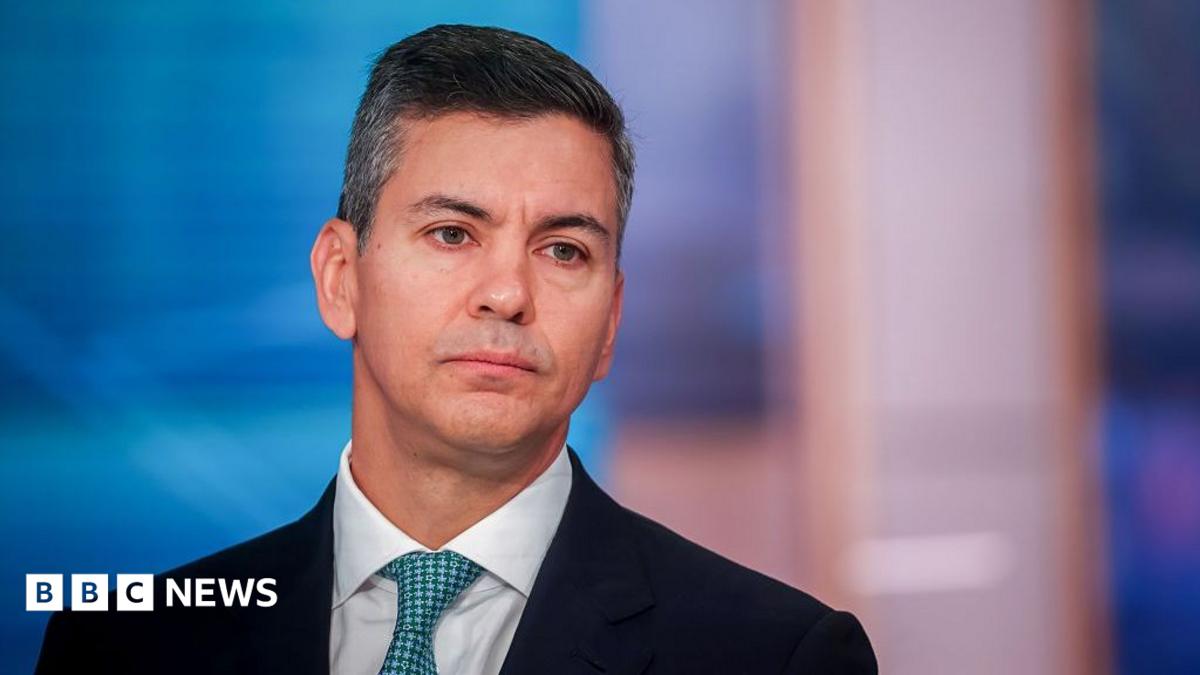
The political landscape of South America shifted dramatically this week as Paraguay’s President Santiago Peña was impeached and placed under house arrest. This unprecedented development follows the catastrophic collapse of Ueno Bank, an institution deeply intertwined with the president’s previous private business dealings. The crisis has left more than half of the national population without access to their personal savings, fueling widespread public outrage.
- President Santiago Peña has been formally removed from office following a near-unanimous vote by the Senate.
- The collapse of Ueno Bank has frozen assets for approximately three million citizens, triggering nationwide protests.
- Interim President Pedro Alliana has assumed control, vowing to address the financial catastrophe and compensate depositors.
- Legal proceedings are now underway to investigate allegations of breach of trust and the misappropriation of pension funds.
Background & Context
What just happened in Asunción is a seismic shift for the nation. The crisis began with the sudden insolvency of Ueno Bank, a digital financial entity that captured a significant share of the retail banking market. For many citizens, this was not merely a corporate failure but a direct threat to their livelihood. As rumors of the bank’s liquidity issues surfaced, the resulting panic caused thousands to flood the streets, demanding access to their deposits. The situation escalated rapidly as the central banking authority intervened by seizing the institution, effectively locking millions out of their accounts. This event mirrors historical financial crises where systemic instability often leads to the erosion of public trust in democratic institutions.
Root Cause & Deep Dive Analysis
The core of the impeachment centers on the blurred lines between public service and private gain. While Santiago Peña has vehemently denied any wrongdoing, the charges filed by the senate are substantive. Investigators allege that the president maintained improper ties to the bank through previous shareholding and subsequently manipulated regulatory oversight to protect those interests. Furthermore, there are serious accusations regarding the diversion of public pension funds to cover institutional deficits. This pattern of governance, often described as crony capitalism, has now reached a tipping point. Much like the political turmoil discussed in other regions regarding corporate influence and legal immunity, the situation in Paraguay highlights the fragility of checks and balances when private power permeates the state machinery.
Strategic Implications & Future Impact
The removal of a sitting head of state over a banking scandal carries profound consequences for Paraguay. Regionally, the nation faces a period of extreme uncertainty. Investors are likely to retreat as they assess the stability of the financial system, potentially leading to currency devaluation and increased borrowing costs for the state. Geopolitically, the swiftness of the impeachment demonstrates a resilience in the parliamentary system, yet the damage to the country’s international credibility is significant. If the transition under Pedro Alliana remains unstable, it could invite further social unrest or opportunistic interference from external political actors looking to exploit the vacuum of power.
Conclusion & What to Watch Next
As the legal system prepares for the prosecution of the former president, the citizens of Paraguay are left to pick up the pieces of their broken financial security. The interim government faces an uphill battle to restore liquidity and maintain social order. Observers must watch the judicial proceedings closely to see if the law will be applied impartially. Furthermore, the effectiveness of the promised compensation scheme will determine whether the current administration can stabilize the national economy before the scheduled elections. The saga of Santiago Peña serves as a sobering reminder of the dangers posed when financial policy is subordinated to personal interest.