
‘Political Interests Cannot Excuse Terrorism’: Jaishankar’s Warning To The World Amid Global Unrests
Introduction and Key Takeaways
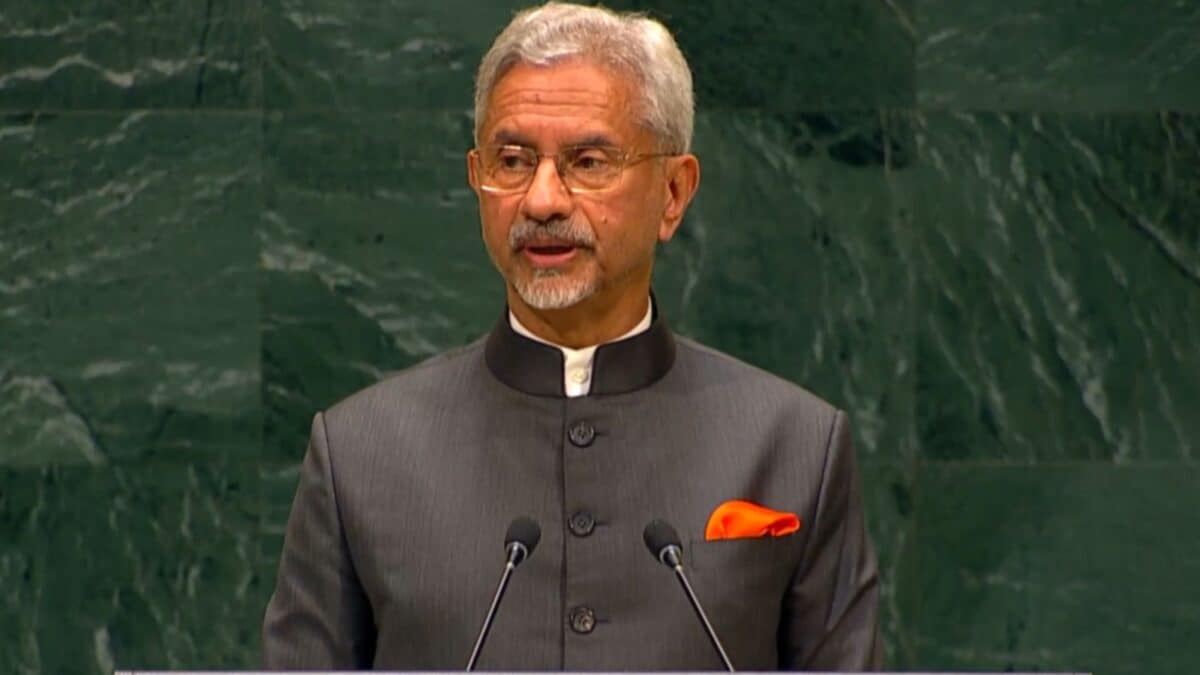
External Affairs Minister S. Jaishankar has issued a stern warning to the international community, declaring that global political interests cannot be used as a moral shield to excuse terrorism. In a recent address marking the 75th anniversary of the Chinmaya Mission in New Delhi, the minister emphasized that terrorism remains a persistent threat that requires absolute zero tolerance. As global unrest deepens, Jaishankar’s critique highlights the hypocrisy of nations that weaponize instability for their own gain. Understanding his stance on global terrorism is critical for anyone tracking the evolving landscape of international security.
- Terrorism as an instrument of statecraft is categorically rejected by India.
- Conflicts in Ukraine and West Asia serve as warnings that instability in one region inevitably threatens global peace.
- The urgency for a collective, non-negotiable international response to terror threats is at an all-time high.
Background and Context: What Just Happened?
The geopolitical atmosphere is currently fragile, characterized by the protracted conflict in Ukraine and the volatile situation in West Asia. India, under the leadership of Prime Minister Modi, has consistently positioned itself as a bridge between the Global South and Western powers. As explored in previous analysis, regional elections and national shifts can profoundly affect global stability. Jaishankar’s comments emerge against this backdrop, serving as a reminder that nations cannot afford the luxury of selective outrage when dealing with violent extremism.
Root Cause and Deep Dive Analysis
Why has the global response to terrorism become so fragmented? Jaishankar points to a fundamental flaw in international diplomacy, where some states prioritize short-term political objectives over long-term stability. By using terror as an instrument of statecraft, these nations undermine the rules-based order. This is not merely a regional issue for India, but a systemic threat that challenges the principles of the United Nations Charter. The refusal of certain global players to adopt a zero-tolerance policy creates a permissive environment for non-state actors and proxy militants to operate with impunity, effectively holding global peace hostage to political whims.
Strategic Implications and Future Impact
The implications of this rhetoric are profound. India is signaling a move toward a more assertive foreign policy that refuses to categorize terror based on its perpetrator. If the international community continues to ignore these warnings, we may witness an era where proxy wars replace traditional diplomacy. The interconnectedness of global economies means that a crisis in one corner of the world, whether in Europe or the Middle East, triggers ripples that affect trade, security, and energy prices. Jaishankar asserts that dialogue and diplomacy are not merely suggestions, but the only viable pathways to prevent a total descent into chaos.
Conclusion and What to Watch Next
As the international community faces unprecedented challenges, the focus on global terrorism must remain at the forefront of every diplomatic summit. India’s commitment to a firm stance against state-sponsored violence is a defining feature of its current diplomatic trajectory. Observers should watch for how India continues to advocate for this zero-tolerance approach within the G20 and at the UN level. The future of global security depends on whether major powers can finally align their actions with their rhetoric, or if political convenience will continue to dictate the price of human life.