
South African police arrest two Thai men for allegedly smuggling parrot eggs
In a significant victory against the relentless scourge of illegal wildlife trade, South African authorities have intercepted a burgeoning and deeply disturbing trend: parrot eggs smuggling. Police at Johannesburg’s bustling OR Tambo International Airport have recently apprehended two Thai nationals in separate incidents, allegedly attempting to illicitly transport hundreds of endangered bird eggs out of the country. This crackdown highlights the escalating global battle against wildlife trafficking, a lucrative criminal enterprise that severely imperils biodiversity and undermines conservation efforts worldwide.
The arrests unfolded over a little more than a month, showcasing both the audacious methods employed by smugglers and the heightened vigilance of South African law enforcement. On August 20, a 50-year-old Thai national was detained after airport officials discovered 50 bird eggs meticulously concealed within a homemade incubator inside a hand-luggage bag. Just weeks prior, on July 16, a younger Thai national, aged 23, was caught allegedly attempting to smuggle a staggering 418 parrot eggs, similarly stashed in two improvised incubator bags. The sheer volume in the second incident underscores the scale and organization often underlying these illicit operations. The Ministry of Forestry, Fisheries and the Environment confirmed these findings, indicating that preliminary investigations strongly suggest the eggs belonged to parrot species listed under the Convention on International Trade in Endangered Species of Wild Fauna and Flora (CITES).
Unpacking the Perilous World of Parrot Eggs Smuggling
The Convention on International Trade in Endangered Species of Wild Fauna and Flora, universally known as CITES, stands as a pivotal international agreement. It meticulously regulates international trade in wild animals and plants, striving to ensure that such trade does not imperil the survival of species in the wild. When it comes to parrot eggs smuggling, the stakes are incredibly high. These aren’t merely ‘bird eggs’; they represent the future generations of species, many of which are already teetering on the brink of extinction due to habitat loss, climate change, and, crucially, illegal trade.
The methods employed by these traffickers are not only ingenious but also deeply inhumane. Concealing eggs in makeshift incubators within luggage drastically compromises their viability, creating conditions that are far from optimal for embryonic development. The journey itself, often spanning continents, subjects these fragile lives to immense stress, temperature fluctuations, and lack of proper care, leading to tragically high mortality rates among the developing embryos and newly hatched chicks. This callous disregard for animal welfare is a hallmark of wildlife trafficking, an industry driven solely by profit, with little to no concern for the living creatures at its core.
South Africa: A Hub in the Global Trafficking Network
South Africa, with its rich biodiversity and strategic geographical position, unfortunately finds itself on the front lines of the global fight against wildlife crime. The nation grapples with a multi-faceted assault from smugglers targeting a wide array of species. From the brutal poaching of rhino horns and the illegal trade in bones from farmed tigers to the harvesting of abalone shellfish and the theft of rare succulent plants, the country is a key battleground. The recent arrests related to parrot eggs smuggling serve as a stark reminder that no part of the ecosystem is safe from these illicit networks.
Thankfully, dedicated efforts are underway to counter this pervasive threat. The arrests were the culmination of an intricate, intelligence-driven operation spearheaded by South Africa’s Environmental Management Inspectorate, colloquially known as the “Green Scorpions,” in collaboration with police intelligence, border control, and endangered species units. This multi-agency approach is critical in disrupting sophisticated criminal syndicates that operate across borders. Under South African law, the illegal export of CITES-listed species carries severe penalties, including fines up to 10 million rand (approximately £460,000), imprisonment for up to 10 years, or both. Such robust legal frameworks are essential deterrence in the face of such lucrative crimes.
Hope Emerges from the Brink
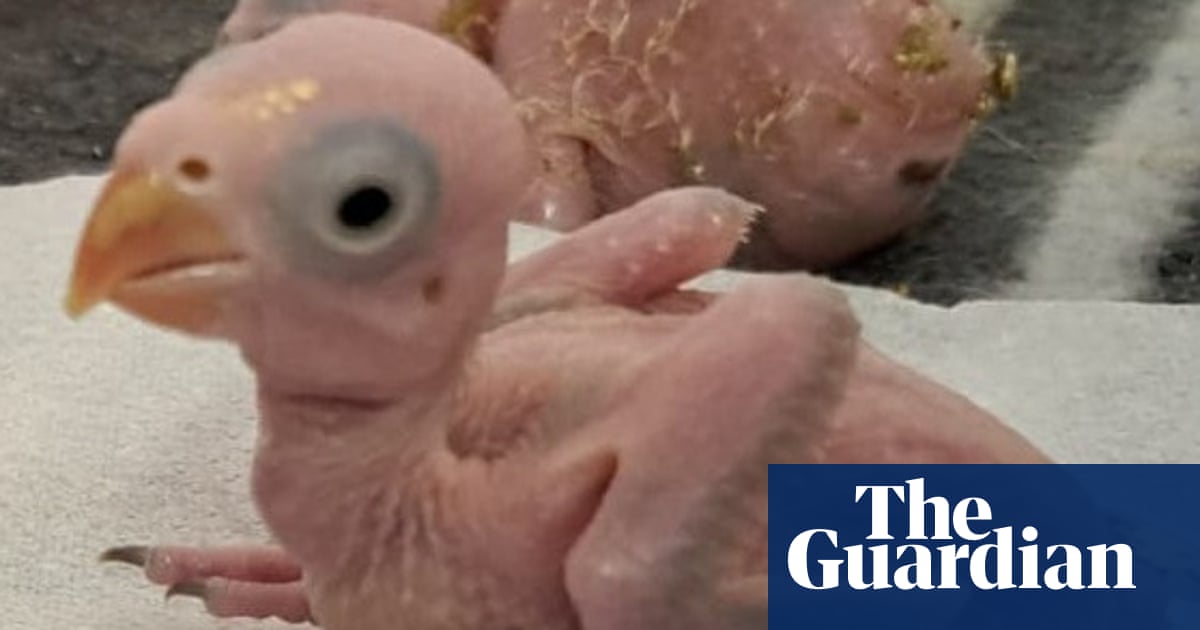
In a heartening development, the seized eggs were promptly transferred to the National Zoological Garden in Pretoria, where dedicated staff embarked on the delicate process of incubation and care. Miraculously, several of the rescued eggs have successfully hatched, bringing fragile new life into the world. These tiny, featherless parrot chicks are now under intensive veterinary and husbandry care, a testament to the unwavering commitment of conservationists to maximize their chances of survival. These success stories, however small, offer a beacon of hope amidst the grim realities of wildlife crime.
The broader implications of these arrests resonate beyond South Africa’s borders. They highlight the urgent need for enhanced international cooperation to combat wildlife crime, a menace that undermines international conservation efforts and threatens global ecological balance. As we continue to witness the devastating impacts of human activity on ecosystems, from climate change to habitat destruction, protecting endangered species becomes paramount. Moreover, the ethical considerations of animal welfare in illegal trade are a topic that demands continued attention, as seen in global discussions surrounding issues such as human rights abuses within wildlife charity operations. These incidents serve as a powerful reminder of the intricate web of challenges faced by those striving to protect our planet’s invaluable natural heritage.