
Victims sue South African government over 1961 Sharpeville massacre that left 91 dead
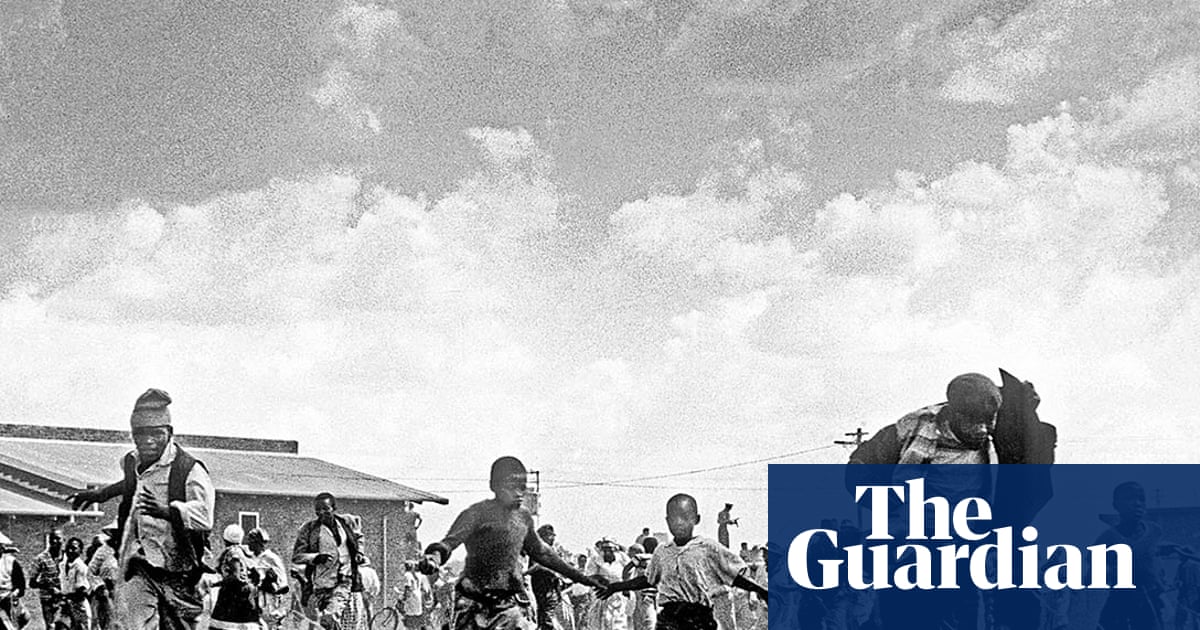
Decades after the harrowing events of March 21, 1960, the echoes of injustice reverberate through South Africa’s legal system. A landmark lawsuit has been filed against the South African government by victims and families of the infamous Sharpeville Massacre, an apartheid-era atrocity where state police opened fire on peaceful Black protesters, resulting in the deaths of 91 individuals and injuries to 238 more. This legal challenge, emerging more than six decades later, is part of a growing wave of litigation demanding accountability for historical crimes that have long gone unredressed, highlighting the persistent quest for truth and reparations in a nation still grappling with its painful past.
That fateful day dawned with an almost deceptive calm. Residents of Sharpeville, a township south of Johannesburg within the heavily industrialised Vaal Triangle, gathered en masse to peacefully protest the draconian pass laws. These discriminatory regulations, a cornerstone of apartheid, mandated that “Black, Indian and Coloured” South Africans carry identification documents at all times, dictating where they could live, work, and even travel. Abraham Mofokeng, then a spirited 20-year-old factory worker, joined the swelling ranks of demonstrators, one of dozens nationwide organized by the Pan Africanist Congress (PAC), a burgeoning political movement distinct from the older African National Congress (ANC).
The Unfolding Tragedy of the Sharpeville Massacre
“The weather was very nice, the sun was out. You could not have suspected that the day would go so horribly,” Mofokeng, now 86, recounted, his memory vividly capturing the serenity that preceded the horror. Thousands were assembled outside the police station, their voices rising in songs of solidarity and defiance. Then, without any discernible warning, police officers unleashed a torrent of gunfire into the unarmed crowd. The sheer brutality of the moment transformed the peaceful protest into a scene of unspeakable carnage, with bodies strewn across the ground and panic seizing those who could still run. As documented by historical accounts, the toll was devastating: 91 dead and 238 injured, forever etching the event into the annals of global human rights abuses as the Sharpeville Massacre.
Mofokeng himself became a casualty, a bullet grazing his right foot, tearing his shoe away in his frantic flight. He vividly remembers leaping over a fallen woman, continuing to run until the chilling sensation of blood trickling down his legs revealed a bullet lodged in his spine, a constant physical reminder of that horrific day. Today, Mofokeng stands as one of three primary claimants in the lawsuit, filed recently, seeking long-overdue compensation from the South African government. Should this pioneering case succeed, it could open the floodgates for dozens, perhaps hundreds, more victims and their descendants to pursue similar claims, profoundly impacting the nation’s justice landscape.
A Legacy of Denial and a Push for Redress
In the immediate aftermath, police officials, including Colonel J Pienaar, the local commander, falsely claimed protesters had been throwing rocks. “It all started when hordes of natives surrounded the police station. My car was struck with a stone. If they do these things they must learn their lesson the hard way,” Pienaar stated, as reported by The Guardian the following day. This narrative of aggression sought to justify the state’s extreme violence. Compounding the injustice, the white minority regime, in July 1961, enacted a sweeping indemnity law. This legislation effectively shielded the government and its agents from any liability for actions taken “in good faith for the prevention or suppression of internal disorder,” retrospectively protecting those responsible for the massacre. This law remains in force, but the claimants’ legal team is now challenging its constitutionality, arguing it perpetuates impunity for past human rights violations.
This pursuit of justice is not isolated; it is part of a broader societal reckoning in South Africa. There’s palpable disillusionment with successive ANC-led governments, which, despite ending apartheid over three decades ago, have struggled to bridge the vast racial inequality and endemic poverty that continue to plague the nation. In January 2025, a separate group of 25 survivors and relatives initiated legal action against the South African government for its failure to prosecute cases referred by the post-apartheid Truth and Reconciliation Commission (TRC). This inaction prompted President Cyril Ramaphosa to announce a judicial inquiry into potential political interference, which is still underway.
The TRC, which concluded its work in 2003, had recommended annual reparations payments, suggesting sums like 20,000 rand over six years. However, many victims, like Mofokeng, received only a one-off payment of 30,000 rand, a sum that barely scratched the surface of their lifelong suffering. “We continued to suffer,” Mofokeng stated, reflecting on his ongoing health issues and financial struggles in Sharpeville. “Especially now… I am struggling and my health is not up to standard.” This sentiment resonates deeply with others who have felt a profound sense of abandonment. Such failures to prosecute and adequately compensate are not unique to South Africa, mirroring concerns seen elsewhere, such as when Australia expressed outrage over an Israeli decision not to prosecute a case involving an aid worker’s killing.
The Intergenerational Impact and the Hope for the Future
The intergenerational trauma of the Sharpeville Massacre is starkly evident in the story of Paulina Mathinye. She was a mere five years old when her father, Samson, was brutally killed. “Every time he came back from work, I would be so happy to see him that I would run to him, and then he would pick me up,” she recollected, the memory tinged with a deep longing. Mathinye, now 71, recalls her childhood confusion, asking her mother, “Mummy, why are you crying?” The loss of her father plunged the family into extreme hardship; her mother, a domestic worker, struggled immensely to raise five children. Mathinye’s dreams of becoming a teacher were crushed as she was forced to leave school at 17 to find work, unable to afford further education.
The claimants, advised by the UK law firm Leigh Day and led by Lawyers For Human Rights, an NGO, are seeking approximately 500,000 rand (£23,000) in compensation. For Mathinye, this isn’t just about money; it’s about reclaiming a semblance of the life she lost. “Some of my friends are teachers, some of them are nurses, and I’m staying in the same house that my father did,” she lamented, highlighting the enduring economic and social disparities. Vincent Thamae, a PAC member supporting the victims, articulates a broader understanding of compensation: it must encompass not only the direct impact of the massacre but also the historical dispossession of Black South Africans from land, their forced removal to townships, and their systemic exclusion from the economy. The current legal actions, therefore, represent more than just individual claims; they are a collective demand for a justice that acknowledges the full spectrum of apartheid’s devastating legacy.