
Trump and Xi exchange warm words at state dinner but little progress on key issues
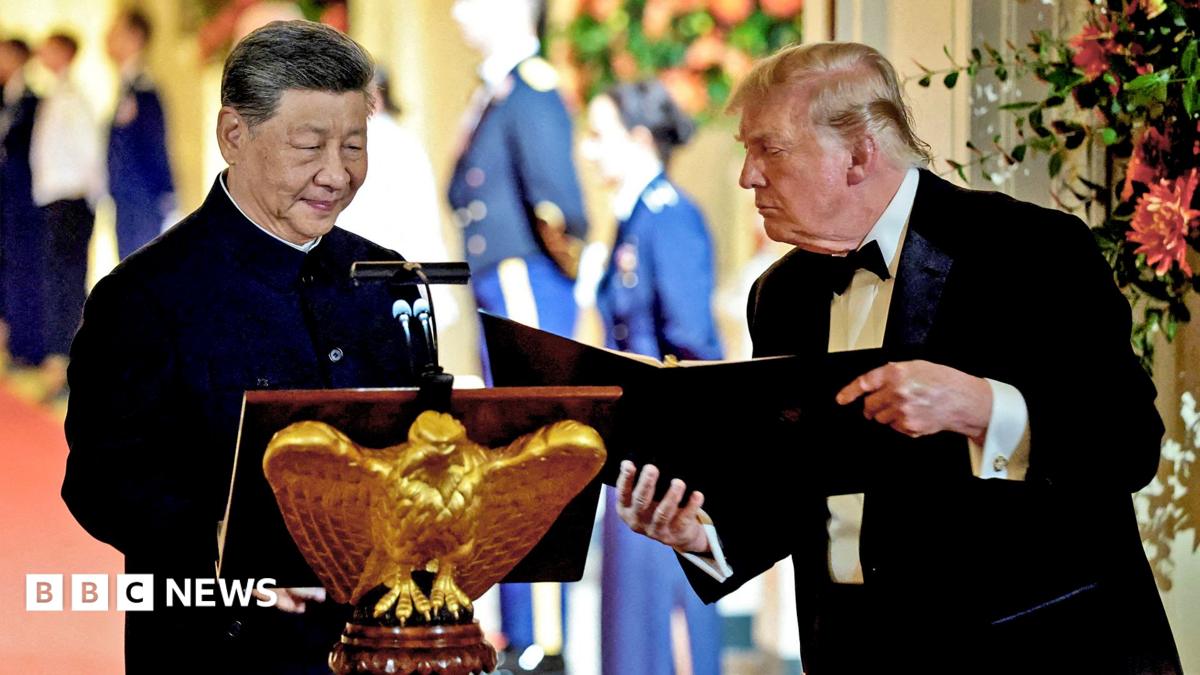
In a display of political theater at the highest level, US President Donald Trump and China’s President Xi Jinping recently convened for a lavish state dinner at the White House. This high-profile event, designed to project diplomatic synergy, served as the backdrop for what many analysts view as a deepening of the US-China relations paradigm. While the atmosphere was filled with elaborate toasts and culinary diplomacy, the actual movement on substantive geopolitical issues remained minimal, leaving observers to parse the symbolism rather than the policy shifts.
The Complex Dynamics of US-China Relations
The state dinner was marked by carefully curated messaging. President Xi highlighted the necessity for global powers to act responsibly, particularly regarding the development of artificial intelligence, insisting that such technology must stay firmly under human control. In response, President Trump offered toasts to mutual peace and prosperity. However, beneath the surface of this amicable gathering, significant tensions persist, particularly regarding Taiwan. Xi urged his American counterpart to adopt the correct position on the self-governing island, an issue further complicated by a substantial weapons package that remains currently paused by the Trump administration.
As these two global leaders navigated the complexities of US-China relations, the guest list read like a who-who of the global elite. Tech titans including Apple’s Tim Cook, OpenAI’s Sam Altman, and Google’s Sundar Pichai were present, illustrating the integral role that Silicon Valley plays in the current geopolitical conversation. Interestingly, the notable absence of Anthropic at the table raised questions among industry experts about the current landscape of AI lobbying in Washington. While the ballroom was filled with influencers and industry leaders, global diplomatic history serves as a reminder that grand gestures often precede long periods of negotiation.
The cultural pageantry was intentional. The menu, designed by the First Lady, featured American ingredients with a Chinese influence, served on red tablecloths to signify luck and fortune. Such optics are standard in international diplomacy, though critics often point out that they rarely translate to concrete gains in trade or territorial disputes. Trump’s off-the-cuff remarks about a future ballroom construction project added a layer of unpredictability to the evening, contrasting sharply with the scripted, historical references Xi made regarding the two nations’ shared past in World War Two.
As we examine these developments, it is essential to consider the broader context of global stability. While world leaders engage in these high-stakes meetings, smaller communities are often left dealing with the peripheral consequences of climate-related crises, as seen when Nepal’s leader labels devastating flood a warning to the world. Whether this meeting acts as a catalyst for actual policy progress or remains merely a historic footnote depends on the follow-up sessions scheduled at the National Archives. For now, the world waits to see if the warm words will yield cold, hard results.