
Nepal’s leader labels devastating flood a ‘warning to the world’
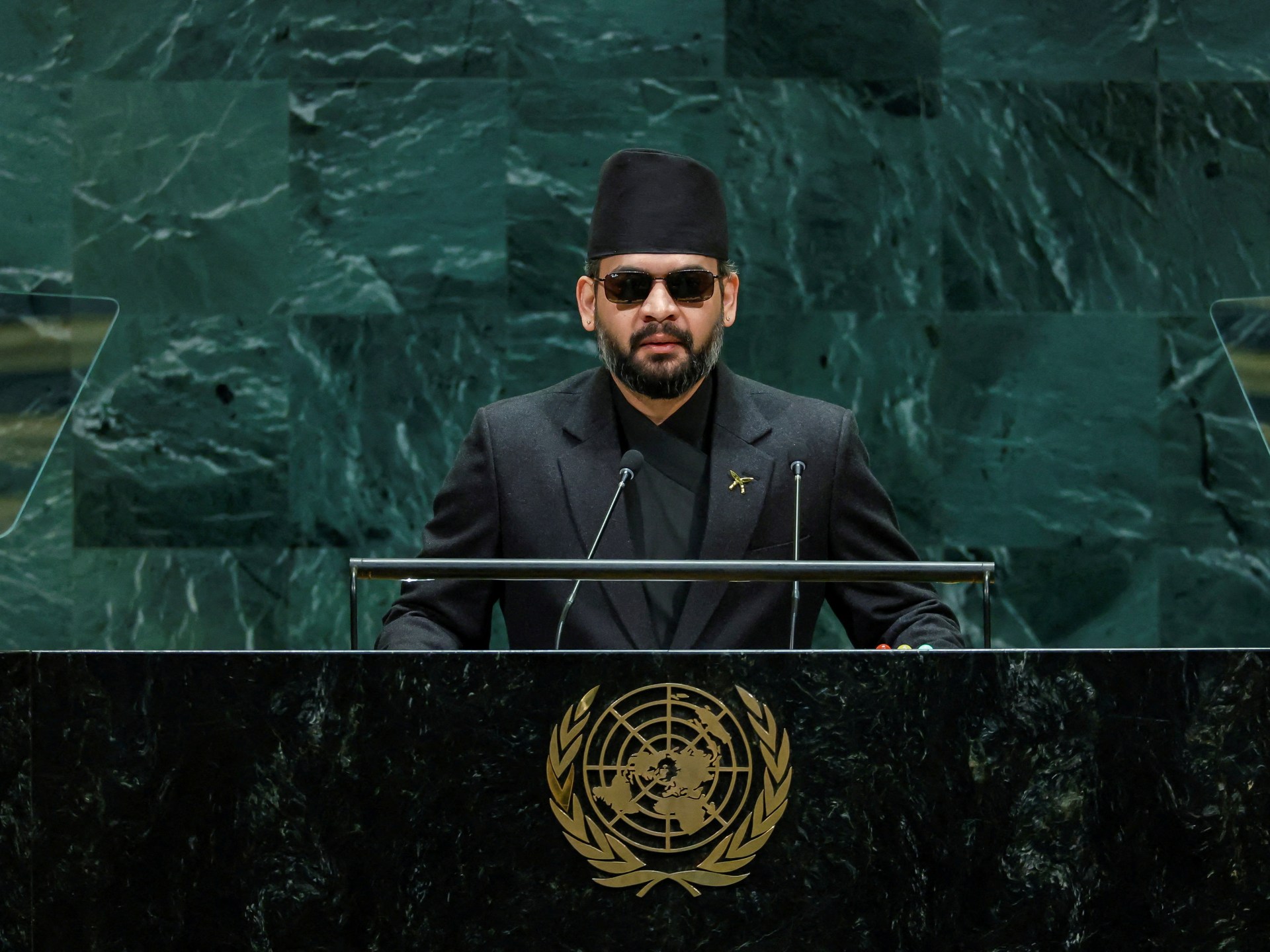
In a powerful address to the 81st United Nations General Assembly in New York, Nepal’s Prime Minister Balendra Shah issued a sobering challenge to world leaders. He described the devastating floods that decimated regions of his country last month as a climate warning to the entire globe. While the international community often treats such disasters as isolated regional tragedies, Shah argued that the catastrophe in Nepal is a harbinger of a shared, dangerous future if collective action remains stalled.
The Global Stakes of a Local Climate Warning
The disaster, which struck northern Nepal and the border regions near China and Tibet on August 26, was triggered by a catastrophic glacial collapse. The toll has been heart-wrenching. Official reports indicate that at least 1,453 lives have been lost, with more than 5,500 people still listed as missing. For the survivors, the recovery process is not just about rebuilding homes, but about reconciling with a reality where their environment has become fundamentally unstable.
Scientific analysis from the World Weather Attribution group has characterized the event as a compound crisis. It is not merely the result of a single storm, but the manifestation of long-term warming, the rapid retreat of glaciers, and the thawing of mountain permafrost. These factors have created a landscape of extreme geological volatility. As Prime Minister Shah noted, those paying the ultimate price for this climate warning are often the very populations that contribute the least to global carbon emissions. Nepal, for instance, relies on hydropower for roughly 99 percent of its electricity needs, yet it finds itself on the front lines of a crisis fueled by industrial nations.
A Call for Regional Resilience
During his speech, the Prime Minister emphasized that political leaders have been regrettably negligent in turning global rhetoric into concrete action. To address the vulnerability of the Himalayan region, he proposed the creation of a ‘Himalaya Climate Resilience Mechanism.’ This initiative would foster cooperation between Nepal, India, and China to harmonize satellite data, track glacial lake expansion, and reinforce early warning systems. Such a framework is vital, as the loss of life has been exacerbated by the unpredictability of the region’s river systems.
Financial support remains a sticking point in these discussions. While the government of Nepal has estimated the cost of the disaster to be approximately $5 billion, the nation has requested the maximum permissible $20 million from the UN’s dedicated loss and damage fund. However, that fund, which was established following similar climatic tragedies in South Asia, has yet to issue a single disbursement. Observers suggest that the world’s response to Nepal will be a defining test for the credibility of international climate finance mechanisms.
As the international community debates the nuances of green energy transitions, for the people of Nepal, the crisis is already here. Prime Minister Shah’s message was clear: the environment is no longer waiting for policy cycles to align. The mountains are shifting, the water is rising, and the time for meaningful, large-scale intervention is rapidly closing.