
US charges 3 ‘Iranian-backed’ men over alleged plot at UK Fairford air base
Introduction and Key Takeaways
The global security landscape has shifted toward a new level of volatility as United States prosecutors recently unveiled terrorism-related charges against three individuals accused of operating on behalf of Iranian-backed entities. The indictment sheds light on a sophisticated alleged plot targeting RAF Fairford in the United Kingdom, a site of significant strategic importance for American air operations. This case underscores the expanding reach of geopolitical conflicts, which are increasingly manifesting in covert actions on Western soil.
- Three men are charged with orchestrating a series of terror attacks spanning the US and Europe.
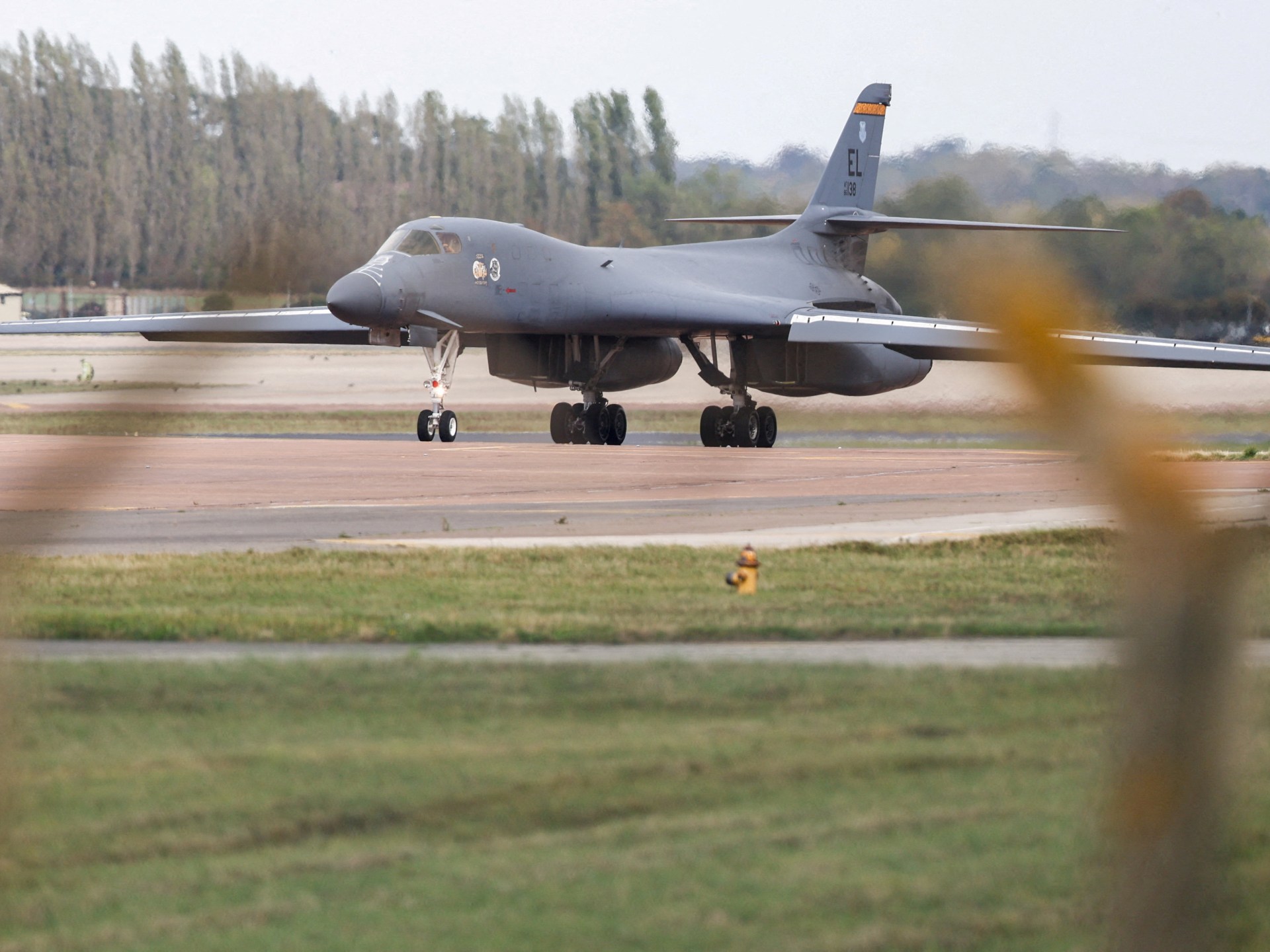
- The plot allegedly targeted the RAF Fairford air base, forcing a repositioning of US military assets.
- Authorities link the defendants to the Islamic Revolutionary Guard Corps and Kataib Hezbollah.
- This development follows a broader trend of international instability, similar to the climate discussed in diplomatic efforts to mitigate global conflict.
Background and Context: What Just Happened?
The indictment concerns an incident in September at RAF Fairford, where suspicious activity involving vans and potential improvised explosive materials triggered a localized security crisis. While the United States Department of Justice maintains that these individuals acted as extensions of Iranian intelligence interests, the broader context remains deeply contentious. The investigation originated after a local farmer observed unusual behavior near the perimeter of the base, an event that eventually led to a sweeping indictment naming Mohammad Baqer Saad Dawood al-Saadi, Mohsen Mohajeri, and Mohammad Ali al-Hassani.
The charges go beyond a single base, linking these men to nearly twenty other attempted or successful attacks across the West, specifically targeting Jewish communities and institutions. This reflects an unsettling escalation where regional proxy wars are increasingly being exported to the streets of Europe and the United States.
Root Cause and Deep Dive Analysis
Why did this happen? The escalation appears to be a direct consequence of the ongoing US-Israel confrontation with Iran. The defendants allegedly sought to retaliate against Western military infrastructure and civilian populations in a manner consistent with low-intensity asymmetrical warfare. By using coded communication and disguising logistics, the operatives attempted to bypass surveillance mechanisms, proving that the threat environment is evolving toward more clandestine methods.
The presence of an al-Saadi figure already in custody underscores the intelligence community’s long-term monitoring of these networks. Yet, the persistent nature of these cells suggests a level of resilience that is difficult for conventional security apparatuses to fully neutralize. When military installations are targeted, it forces a strategic reassessment. The removal of B-1 bombers from Fairford is a tangible example of the cost of such threats, as the US military is forced to sacrifice operational convenience for force protection.
Strategic Implications and Future Impact
The broader implications of this case are profound. We are witnessing a transition from traditional state-to-state friction toward a reality where regional tensions manifest as localized security threats. This creates a dual burden for intelligence agencies. They must guard against traditional military aggression while simultaneously securing domestic infrastructure against non-state actors operating within their borders.
Furthermore, as international tensions remain high, military bases across Europe will likely remain under heightened scrutiny. This ongoing atmosphere of suspicion can complicate diplomatic relations and increase the probability of accidental escalations. The international community is struggling to define the boundaries of proxy warfare, and cases like this highlight the lack of effective deterrence in preventing such incursions.
Conclusion and What to Watch Next
As the legal proceedings against the three accused continue, the international focus will remain on whether these charges serve as a deterrent or merely a footnote in a larger, darker chapter of modern warfare. Observers should keep a close watch on the deployment patterns of air assets in the UK, as any further movement from bases like RAF Mildenhall would signal that the threat is viewed as persistent and credible by the Pentagon. Ensuring safety in an age of globalized terror requires more than just prosecutions; it demands a robust diplomatic and intelligence-led framework to contain these non-traditional security risks. The world must stay vigilant as these unfolding developments continue to shape the global security narrative.