
Trump rallies Latin American allies against drug cartels
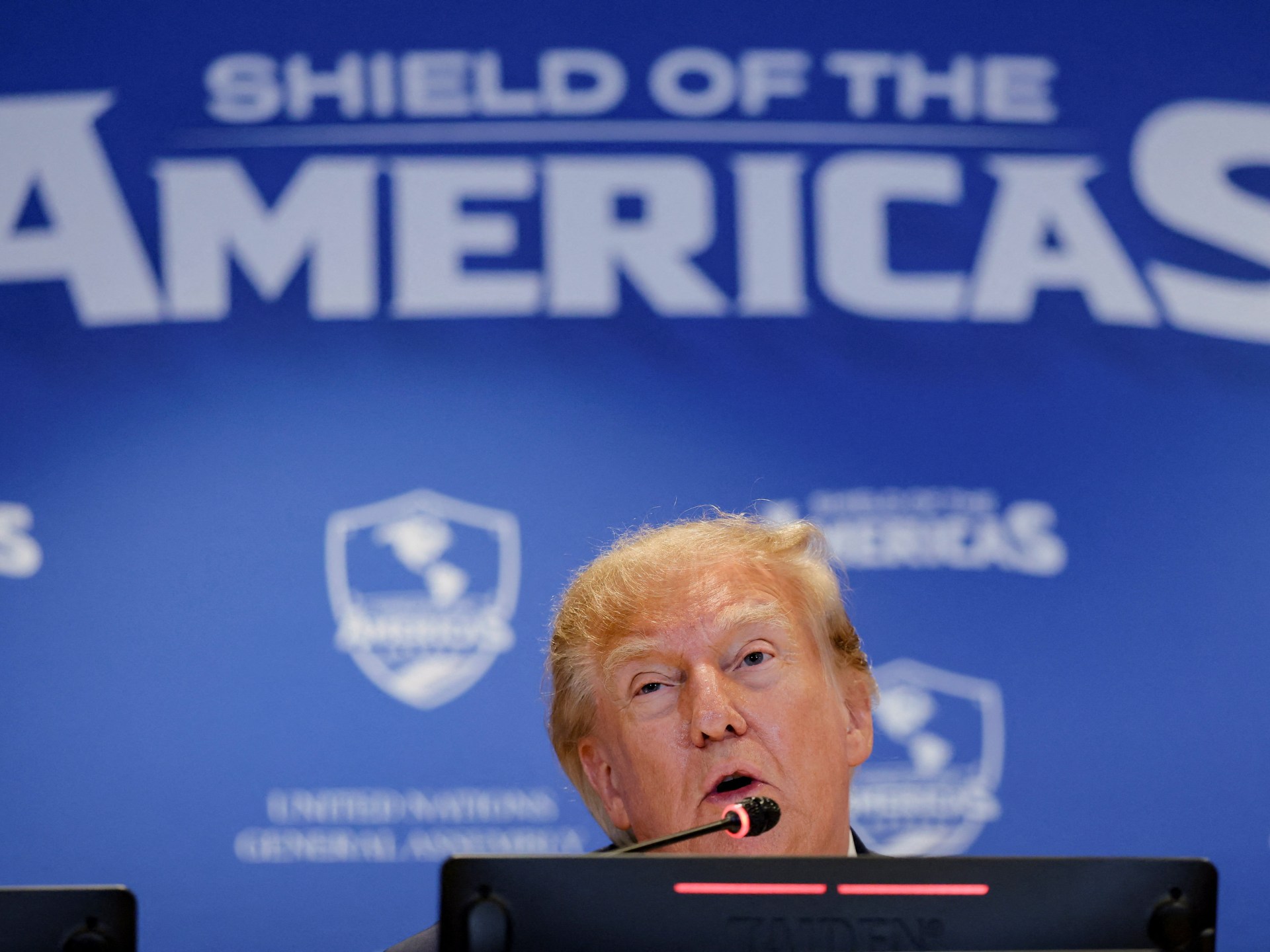
In a bold move on the sidelines of the 81st United Nations General Assembly, United States President Donald Trump has officially galvanized a new regional security bloc. The Shield of the Americas coalition, a Washington-led initiative, seeks to dismantle organized crime networks through a combination of diplomatic pressure and targeted sanctions. This development marks a significant escalation in the administration’s foreign policy, as the President continues to prioritize the neutralization of drug cartels, whom he has frequently characterized as the “ISIS of the Western Hemisphere.”
The Objectives of Shield of the Americas
During the summit in New York City, the coalition—comprising 15 member nations—formally pledged to confront 24 distinct criminal organizations. The strategy relies on a unified front to impose asset freezes, implement strict visa restrictions, and facilitate international criminal prosecutions against syndicate leaders. At the heart of this initiative is the labeling of groups like the brutal MS-13 and the Venezuelan-based Tren de Aragua as entities akin to terrorist organizations. While supporters argue this is a necessary evolution in regional security, the initiative has not been without its detractors, particularly those concerned about the erosion of national sovereignty.
The current landscape of drug trafficking remains a complex web of transnational power, involving entities like the Colombian National Liberation Army and Brazil’s various command groups. The Shield of the Americas aims to streamline the response to these threats by bypassing traditional legal bottlenecks, though analysts note that the practical implementation will vary significantly from country to country. In nations like Colombia, the proposed measures must still navigate local legislative processes, a hurdle that experts suggest may delay immediate results.
The administration’s aggressive posture has drawn both praise and sharp criticism. US Secretary of State Marco Rubio lauded the formation of this alliance as a turning point in combating transnational terrorism. However, the diplomatic tone in New York remained tense. The strategy is widely seen as an extension of a 21st-century iteration of the Monroe Doctrine, asserting US primacy in the hemisphere. Such rhetoric has faced pushback from regional heavyweights like Brazil. President Luiz Inacio Lula da Silva recently made his stance clear, emphasizing that “Brazil is nobody’s backyard,” thereby highlighting the friction caused by renewed hegemonic ambitions. For further context on regional diplomatic tensions, see this analysis on diplomatic trade negotiations.
The Human and Legal Cost of Intervention
The push toward a more militarized approach to the drug trade is not restricted to diplomatic pacts. Since returning to office, the administration has authorized kinetic actions, including naval strikes in the Caribbean and Pacific. While the government maintains these actions are vital for national security, reports from international observers remain grim. UN experts have raised alarms, suggesting that these maritime operations may violate international law and potentially qualify as crimes against humanity, citing the deaths of over 223 individuals to date.
As the administration continues to shift its geopolitical focus, questions regarding the sustainability of this aggressive foreign policy remain. Whether the Shield of the Americas will successfully curb the influence of cartels or simply deepen the divide between Washington and its southern neighbors is a question that will likely dominate hemispheric politics for years to come. For more updates on recent international controversies and governmental shifts, readers may follow local reporting on political assemblies and legislative disputes.