
Trump threatens to ‘annihilate’ Iran in UN speech as officials from both countries meet on sidelines
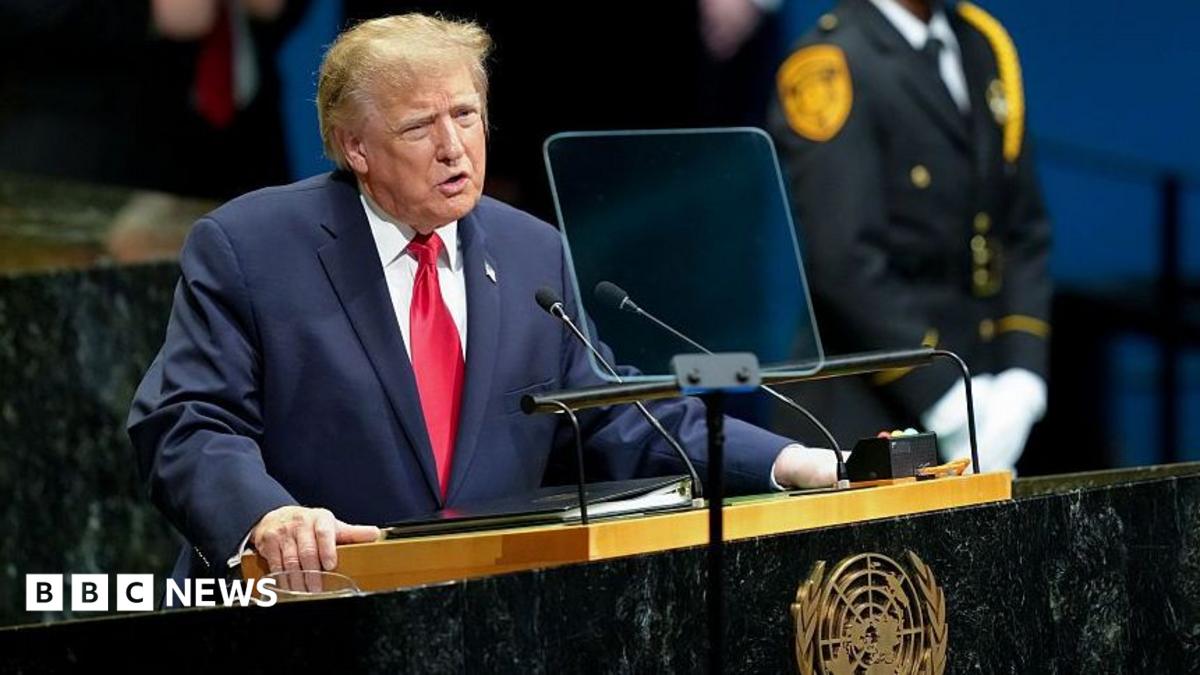
In a high-stakes address at the United Nations General Assembly in New York, President Donald Trump delivered a polarizing message to the international community. The focus of the session remained firmly on Trump’s UN speech, where he explicitly warned that he faces a critical juncture regarding the future of military action against Iran. While addressing a packed chamber of world leaders, Trump declared he could “annihilate” the Islamic Republic if current diplomatic efforts fail to yield a resolution to the ongoing conflict.
The Geopolitical Ripples of Trump’s UN Speech
The president’s rhetoric at the United Nations headquarters marks a deliberate return to his doctrine of “peace through strength.” By characterizing potential military intervention as a binary choice between total destruction and a peace deal, Trump is attempting to leverage the threat of force to dictate terms. This aggressive stance comes as the administration grapples with shifting defense priorities in the Arctic, further complicating the global landscape.
Despite the fiery language used in Trump’s UN speech, behind-the-scenes diplomacy paints a more nuanced picture. Reports confirm that U.S. officials engaged in a productive three-hour session with the Iranian delegation on the event’s sidelines. These talks, mediated by Qatari representatives, suggest that both parties are exploring potential off-ramps even as the public rhetoric remains confrontational. For a broader perspective on how regional tensions affect international stability, readers can look to the analysis of previous diplomatic friction points during high-level summits.
Beyond the Middle East: Tech and Sovereignty
While Iran dominated the headlines, the speech also served as a platform for the administration’s domestic and global agenda. Trump pivoted to technology, famously rebranding “Artificial Intelligence” as “Super Intelligence,” arguing that the term “artificial” suggests a fakeness that diminishes the technology’s true capabilities. He vowed that the United States would maintain its lead in the race for technological dominance, dismissing globalist concerns as mere barriers to progress.
Furthermore, the president doubled down on his skepticism of international governing bodies. He criticized the United Nations for what he termed a “far-left agenda” and reiterated his commitment to national sovereignty. In a move that underscored his focus on territorial security, Trump finalized a trilateral agreement with Denmark and Greenland to increase U.S. military presence in the North Atlantic. As the administration balances these multifaceted foreign policy objectives, the world continues to watch whether the strategy of coercive diplomacy—central to Trump’s UN speech—will successfully prevent further escalation in volatile regions or merely heighten the risk of unintended consequences.
Ultimately, the events in New York reflect a administration that is leaning heavily into unilateralism as the midterm elections approach. Whether these threats result in genuine de-escalation or further conflict remains the defining question of the current geopolitical season.